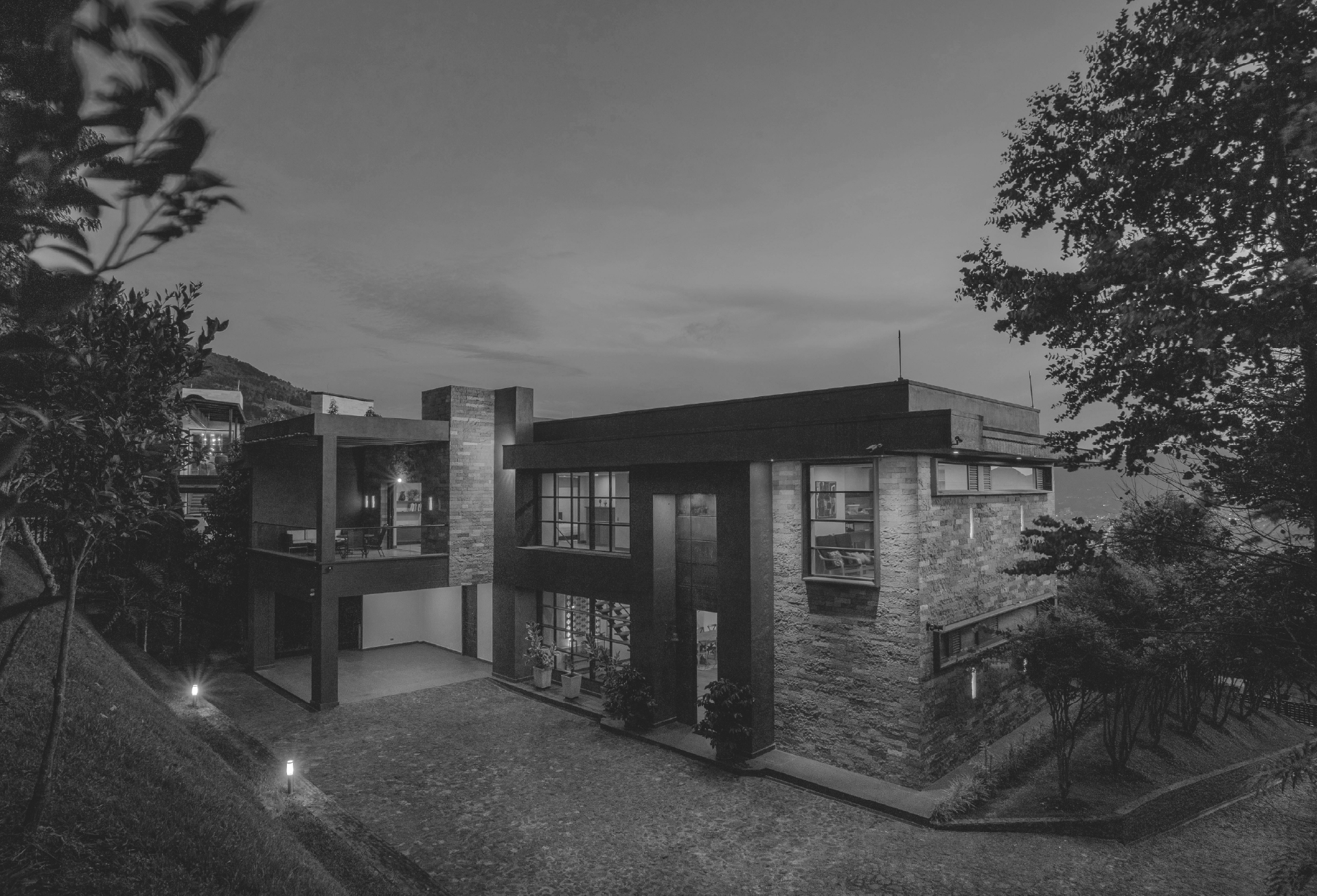
Why Is Night Vision Green? How to Fix It
Night vision images often appear green, which surprises many first-time users. People sometimes assume the camera is malfunctioning or that the color comes from the environment.
In reality, the green color is a normal result of how certain night vision technologies display amplified light. Understanding this process helps users interpret night footage correctly and identify potential camera issues.
This guide explains why night vision appears green, how the technology works, and what users can do if the color looks unusual.
Why Night Vision Usually Looks Green
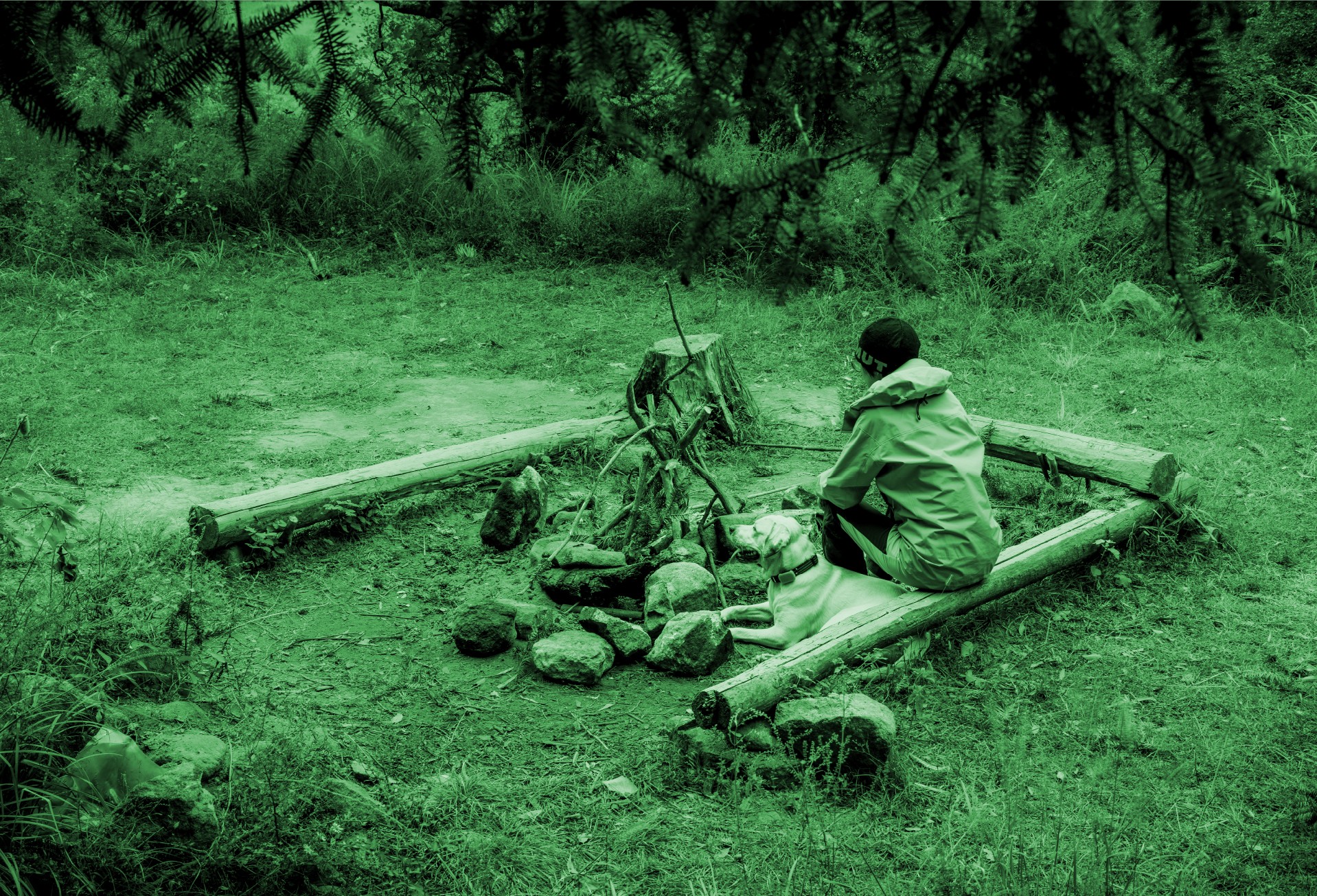
Night vision devices do not actually detect green light. Instead, they amplify extremely small amounts of ambient light already present in the environment.
Inside many traditional night vision systems, the amplified signal is displayed on a phosphor screen. Most systems use a green phosphor layer, which produces the familiar green image.
This is why the effect is commonly described online as green night vision, even though the color does not come from the scene itself but from the display technology used by the device.
Green is used because the human eye can distinguish more shades of green than most other colors. This allows observers to recognize shapes, motion, and contrast more easily in dark environments.
How Night Vision Technology Works
Night vision systems rely on a process called light amplification. Even in very dark environments, small amounts of light are usually present from sources such as moonlight, starlight, or distant artificial lighting.
The system captures this faint light and amplifies it thousands of times so it becomes visible.
Basic Night Vision Process
- The sensor detects extremely low levels of light.
- The signal is electronically amplified.
- The amplified signal is displayed as a visible image.
In many modern surveillance systems, night vision is integrated directly into the camera hardware. For example, many indoor and outdoor cameras used in RusinVision residential security cameras include infrared illumination and automatic night mode switching to simplify low-light monitoring.
Why Green Is Used Instead of Other Colors
Several technical and biological reasons explain why green is commonly used in night vision displays.
Human Eye Sensitivity
The human eye is particularly sensitive to green wavelengths. This helps observers detect subtle contrast differences when viewing amplified images.
Reduced Eye Fatigue
Green images tend to cause less visual fatigue during long observation periods. This makes them practical for surveillance and monitoring tasks.
Better Contrast Perception
Green displays provide strong contrast for low-light imagery. This improves the visibility of objects and movement in dark environments.
Because of these factors, green has become the standard display color for many traditional night vision devices.
Why Some Cameras Show Black and White Night Vision
Many modern digital security cameras do not display green night vision at all.
Instead, they use infrared LEDs combined with digital sensors that produce black-and-white images. The camera detects infrared light reflected from objects and converts it into grayscale video.
This method is widely used in:
- Home security cameras
- Outdoor surveillance systems
- Wildlife monitoring cameras
Black-and-white infrared night vision prioritizes clarity and simplicity for recording and monitoring.
Common Situations Where Night Vision May Look Too Green
In most situations, green night vision is normal. However, the color may appear unusually strong or unnatural under certain conditions.
Strong Infrared Illumination
Excessive infrared light near the camera can oversaturate the image and intensify the green appearance.
Incorrect Exposure Settings
Improper exposure or brightness settings may amplify image noise and affect color balance.
Reflective Surfaces
Glass, water, or metallic surfaces may reflect infrared light back into the camera, altering the night image.
Aging Components
In traditional night vision devices, older phosphor displays may gradually change tone over time.
How to Fix Unusual Green Night Vision
If night vision appears distorted rather than simply green, several simple checks may help.
Check Nearby Light Sources
Reduce strong infrared or direct lighting that may interfere with the camera.
Adjust Camera Position
Changing the camera angle can reduce reflections and improve image balance.
Review Camera Settings
Some cameras allow adjustments to exposure, infrared strength, or night mode sensitivity.
Clean the Camera Lens
Dust or moisture on the lens can distort low-light images.
If the green tint appears inconsistent or unusually bright, the issue may also relate to sensor calibration or infrared illumination balance. Cameras designed for low-light monitoring, such as some models used in RusinVision commercial and outdoor security cameras, are typically optimized to maintain stable night images under changing lighting conditions.
When Green Night Vision Is Completely Normal
Green night vision is not necessarily a problem. It is often a normal result of image intensifier technology.
Traditional night vision devices used in fields such as:
- Military observation
- Night navigation
- Specialized surveillance
commonly display green images as part of their design.
Modern digital surveillance cameras more commonly use infrared black-and-white imaging instead. Understanding this difference helps users determine whether their night vision system is functioning normally.
FAQ
Why do night vision goggles show green images?
Night vision goggles typically use image intensifier tubes with green phosphor displays. The amplified light signal appears green because the human eye can distinguish more detail in green tones, making shapes and movement easier to recognize in low-light environments.
Is green night vision better than black and white?
Each method serves a different purpose. Green night vision is common in image-intensifier devices designed for human viewing, while most digital security cameras use infrared sensors that produce black-and-white images for clearer monitoring and simpler processing.
Can night vision cameras show color at night?
Some advanced cameras support color night vision when limited ambient light is available. In darker environments, most systems automatically switch to infrared mode and produce black-and-white images to maintain visibility and recording quality.
Why does my night vision camera look too green?
An overly green image may occur when infrared illumination is too strong or when exposure settings are too high. Reflections from nearby surfaces or improper camera positioning can also influence the appearance of night footage.
Does green night vision mean something is wrong with the camera?
Usually not. Green night vision is often normal in systems that use phosphor display technology. A problem is more likely if the image becomes unstable, extremely bright, or distorted under normal lighting conditions.
Is there a way to fix unusual night vision color?
Yes. Users can reduce nearby infrared light sources, adjust camera angles, clean the lens, or modify exposure settings. These steps often improve night vision clarity and reduce color distortion in surveillance cameras.