Can Landlords Install Security Cameras in Rental Property
As a tenant, discovering that your landlord has installed security cameras around your rental property can feel uncomfortable. You may wonder whether the cameras are legal, whether you are being monitored, and what rights you have as a tenant.
At the same time, landlords often install cameras to protect their property and improve safety for residents. Security cameras can help monitor entrances, deter crime, and provide evidence if an incident occurs.
This guide explains the legal considerations, where cameras can be installed, why landlords use them, and what tenants can do if they encounter surveillance cameras in a a rental property.
Can Landlords Install Security Cameras in Rental Properties
The legality of landlord-installed cameras depends largely on one principle: reasonable expectation of privacy.
Although landlords own the property, tenants still have privacy rights inside their living spaces. Laws typically allow surveillance in shared areas but restrict monitoring in private locations.
The exact regulations vary depending on state and local laws. In general, cameras are allowed where people do not expect privacy and prohibited where privacy should reasonably exist.
Where Landlords Can Place Security Cameras
Common Areas (Generally Allowed)
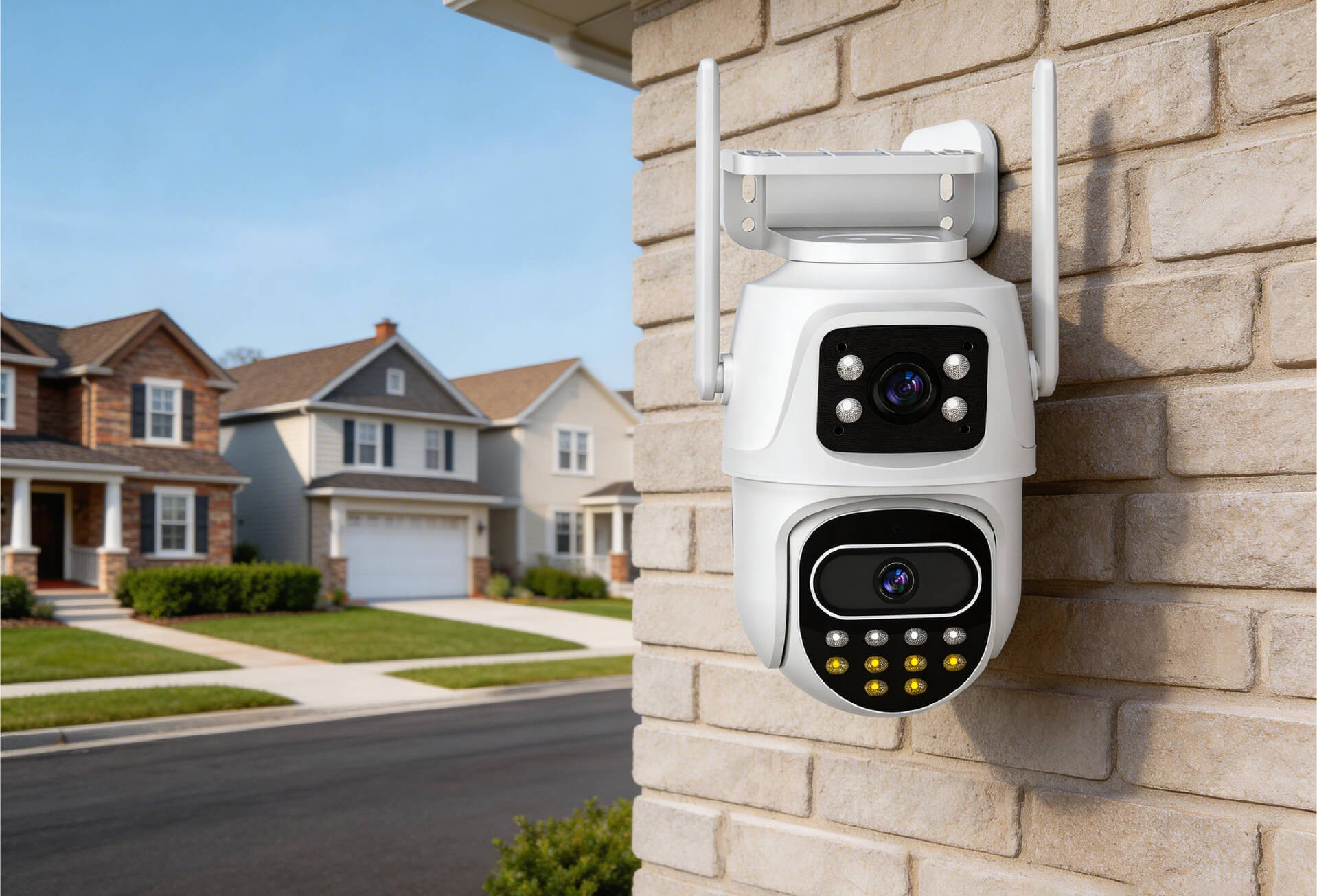
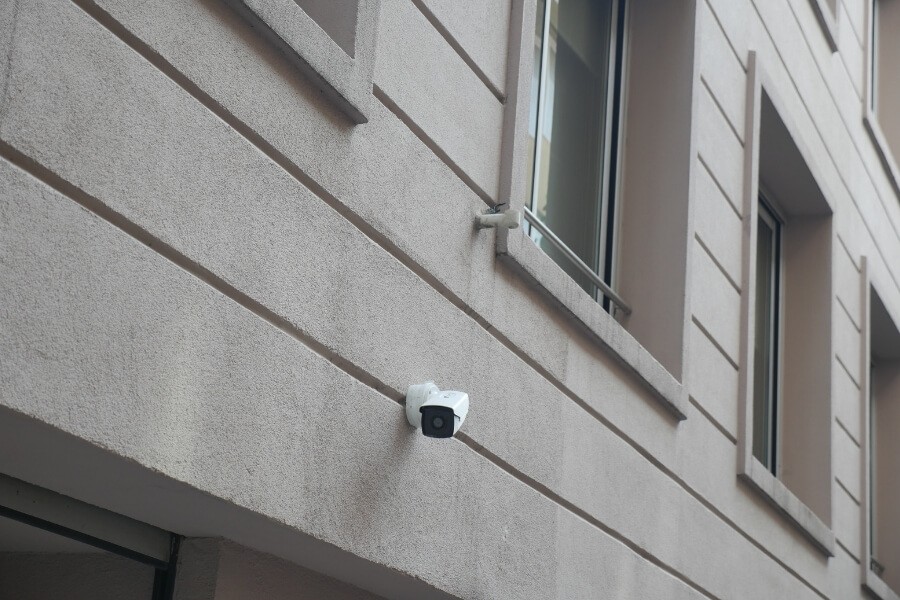
Landlords are generally allowed to install visible video-only cameras in shared spaces where tenants and visitors do not have a reasonable expectation of privacy.
Typical examples include:
- Parking lots and driveways
- Building entrances and garages
- Hallways, stairwells, and lobbies
- Laundry rooms and mailrooms
- Shared amenities such as gyms or pools
- Entryways and outdoor walkways
These cameras serve a practical security purpose. They help deter theft, monitor suspicious activity, and provide evidence if incidents occur.
Because these areas are shared by multiple residents, surveillance is usually considered acceptable when cameras are visible and used for safety monitoring.
Where Security Cameras Are Not Allowed
Private Areas (Strictly Forbidden)
Security cameras must never be installed in areas where tenants have a clear expectation of privacy.
Examples include:
- Bedrooms
- Bathrooms
- Inside the rental unit
- Living rooms or other private interior areas
- Private balconies or enclosed patios
- Locker rooms, restrooms, or changing areas
Installing cameras in these locations can violate tenant privacy rights and may lead to legal consequences.
Even in shared facilities, if a space is intended for personal privacy, surveillance is typically prohibited.
Hidden Cameras and Audio Recording Laws
Hidden Cameras
Hidden cameras are illegal in most jurisdictions when used to secretly record individuals in private spaces.
Many state laws classify hidden surveillance in private areas as a criminal offense. Penalties may include fines and possible imprisonment.
Landlords should never install hidden or disguised cameras inside a rental property.
Audio Recording
Audio recording laws are stricter than video surveillance regulations.
Under federal rules such as the Wiretap Act, recording conversations without proper consent can violate privacy laws. Some states require consent from one participant while others require consent from all parties involved.
Because of these legal differences, many property managers avoid using audio recording and rely only on video surveillance in common areas.
Do Landlords Need to Tell Tenants About Cameras
Video Cameras in Common Areas
In many areas, landlords are not legally required to notify tenants about visible cameras installed in common areas.
However, providing notice is considered good practice.
Landlords often inform tenants through:
- Lease agreements
- Posted surveillance signs
- Written notices
Clear communication helps avoid misunderstandings and reduces potential disputes.
Hidden Cameras or Audio Recording
If cameras are hidden or record audio, notification and consent are usually required.
Failing to provide disclosure may lead to legal consequences.
Why Landlords Install Security Cameras in Rental Properties
When used responsibly, security cameras can help protect both property and residents.
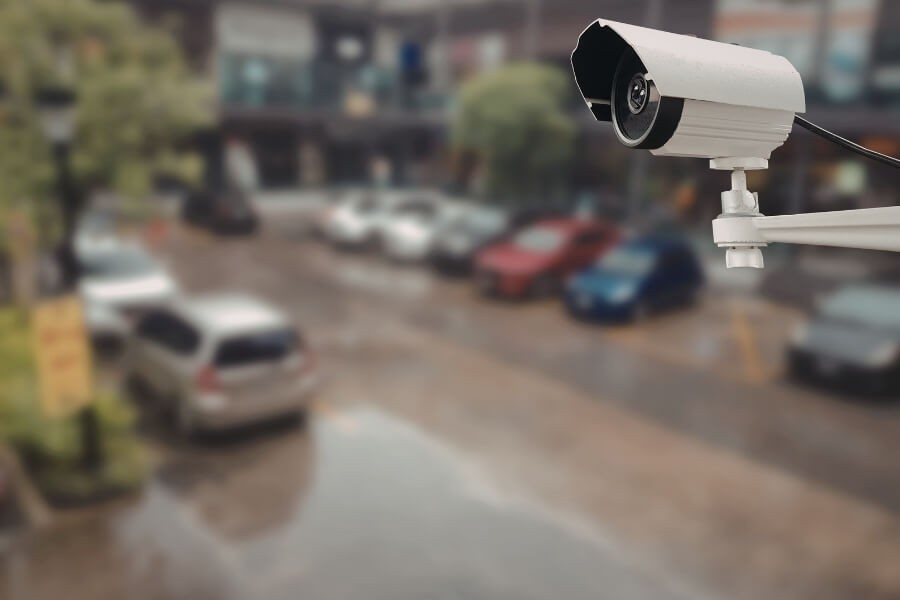
Crime Deterrence and Evidence
Security cameras discourage theft, vandalism, and trespassing. Visible cameras signal that the property is being monitored.
If a crime occurs, recorded footage can help identify suspects and support investigations or insurance claims.
Monitoring Tenant and Guest Activity
Cameras near entrances or shared areas may help property managers observe unusual activity such as unauthorized guests or disturbances.
The goal should always be building security rather than monitoring tenants’ personal lives.
Overseeing Maintenance Workers
Property managers often rely on contractors for repairs and maintenance.
Cameras in common areas help monitor service visits and ensure work is completed responsibly.
Preventing Neighbor Encroachment
Vacant or unattended rental properties sometimes attract unauthorized use of driveways, parking areas, or outdoor spaces.
Surveillance cameras help discourage these situations and allow landlords to monitor activity remotely.
What to Do If You Find Cameras in Your Rental
If you notice surveillance cameras around your rental property, consider the following steps.
Communicate First
If a camera is positioned near your door or window and makes you uncomfortable, speak with your landlord. The camera may simply need to be repositioned.
Review Your Lease
Check your rental agreement to see whether surveillance cameras are mentioned. Some leases explain where cameras are installed on the property.
Inspect for Hidden Cameras
If you suspect hidden cameras inside your unit, look for signs such as:
- Lens reflections when using a flashlight
- Unusual devices placed in smoke detectors or chargers
- Unknown devices connected to your Wi-Fi network
Demand Removal of Hidden Cameras
If a camera is installed inside your private space without permission, request immediate removal.
Landlords do not have the right to monitor tenants inside their living spaces.
Contact Authorities
If the situation cannot be resolved and you believe your privacy has been violated, contact local authorities for assistance.
Can Tenants Install Their Own Security Cameras
Tenants generally have the right to install cameras inside their rented home.
However, several rules still apply.
Inside Your Unit
You may install cameras inside your apartment or house for personal monitoring purposes such as checking on pets, children, or entrances.
Respect Others’ Privacy
Cameras should not be directed toward neighbors’ windows, shared hallways, or other spaces where people expect privacy.
Check Your Lease
Some rental agreements restrict modifications such as drilling holes in walls. Wireless cameras with removable mounting options are often the easiest solution.
Audio Recording Laws
If your camera records sound, make sure it complies with your state’s consent laws regarding audio recording.
Indoor Cameras Tenants Can Use for Home Monitoring
Tenants who want additional security inside their home may choose to install their own indoor monitoring devices.
For example, a compact indoor camera can help monitor living spaces, pets, or family members when you are away from home.
RusinVision provides indoor security cameras designed for simple monitoring in apartments and rental properties.
Typical features include:
- Wireless installation with Wi-Fi connection
- 2MP or 3MP resolution for clear indoor video
- Pan and tilt capability for wider room coverage
- AI human detection to reduce unnecessary alerts
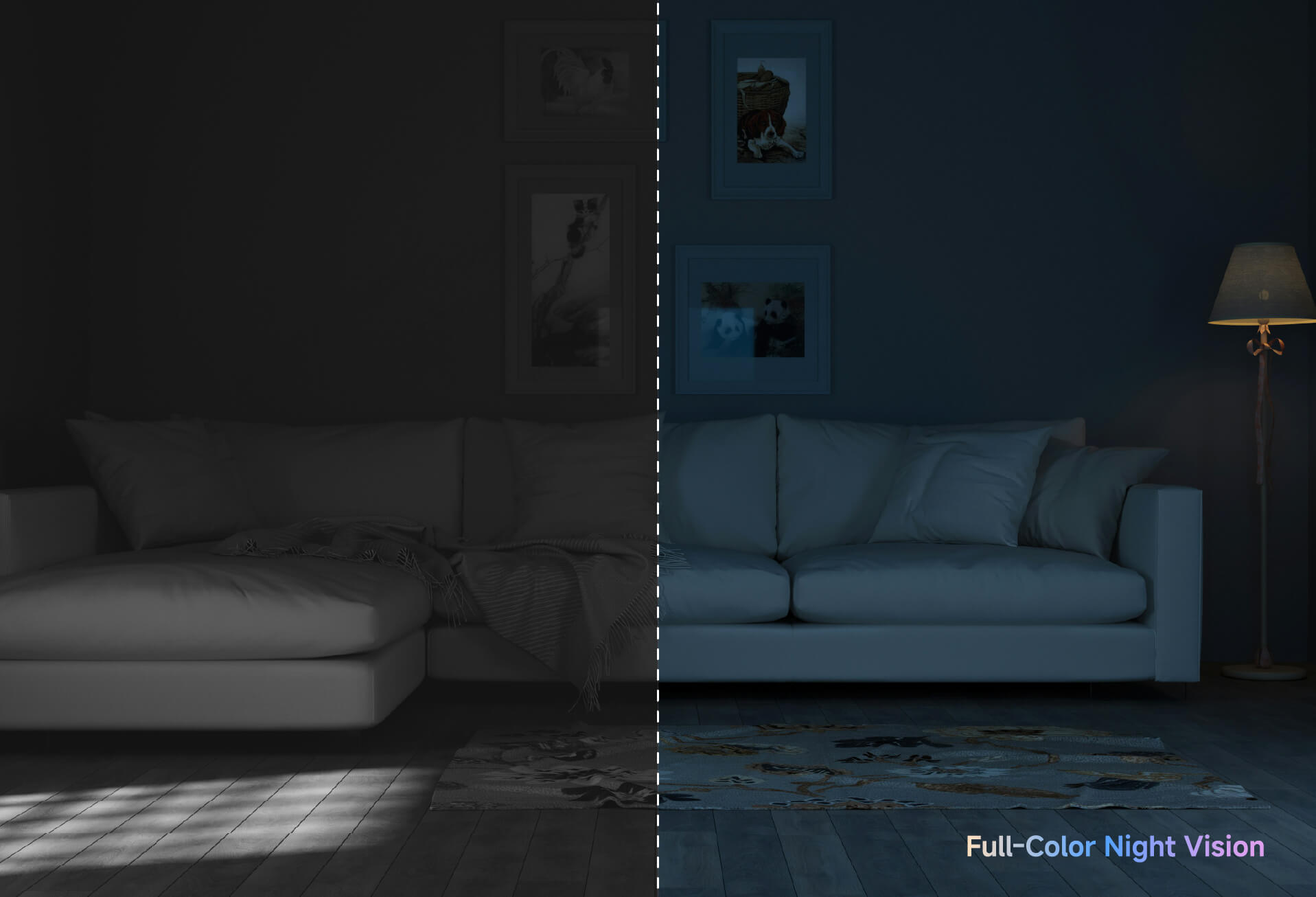
- Infrared night vision for low-light environments
Many models support local microSD storage so recordings remain on the device without subscription fees.
Compact designs and magnetic mounting options also allow flexible placement without permanent installation.
FAQ
Can a landlord install cameras inside my apartment without telling me?
No. Cameras inside a tenant’s private living space are generally illegal without consent. Areas such as bedrooms, bathrooms, and living rooms are considered private spaces where tenants expect privacy. Installing cameras in these locations may violate privacy laws and could result in legal consequences for the landlord.
What if a camera is installed in a hallway facing my door?
Cameras in shared areas such as hallways are usually allowed because they help monitor building security. However, the camera should not capture the inside of your apartment when the door opens. If the camera angle feels intrusive, tenants can request that the landlord adjust its position.
Can tenants take legal action if cameras invade privacy?
Yes. If a landlord installs cameras in private areas or secretly records tenants, it may violate privacy laws. In these situations, tenants may have grounds to file complaints or pursue legal action depending on local regulations. Reviewing state or city laws can help clarify available options.
Are fake security cameras legal for landlords to install?
Fake cameras are usually legal because they do not record video or audio. However, they do not provide real monitoring or usable evidence if incidents occur. For effective property security, functioning cameras installed in appropriate locations are generally a more reliable solution.
Can neighbors point security cameras toward my rental property?
Neighbors can install cameras on their own property, but they must still respect privacy boundaries. If a camera records areas where you have a reasonable expectation of privacy, such as inside windows or private spaces, it may violate local privacy or surveillance laws.
Important Tips for Landlords Using Security Cameras
Landlords who plan to install security cameras should follow several basic guidelines.
- Inform tenants about cameras on the property
- Avoid installing cameras in private spaces
- Review state and local surveillance laws before installation
- Use cameras strictly for safety monitoring rather than personal observation
Transparency and responsible placement help maintain trust between landlords and tenants.
Conclusion
Security cameras in rental properties can improve safety when used responsibly.
Landlords are generally allowed to install cameras in common areas such as entrances, parking areas, and hallways. However, cameras must never be placed in private living spaces where tenants expect privacy.
Tenants who want additional monitoring inside their homes can install their own indoor cameras while respecting privacy rules and lease agreements.
Understanding the legal boundaries of surveillance helps landlords and tenants maintain a safe and respectful living environment.