Best Security Cameras for RVs and Travel Trailers in 2026
Introduction
Traveling in an RV combines mobility with the comfort of a personal space. However, unlike a fixed home, your RV is often parked in unfamiliar areas, sometimes unattended for hours.
A properly planned RV security camera system helps you monitor activity, reduce risk, and stay informed without adding complexity. This guide explains how to choose and set up a system that works reliably in real travel conditions.
Why RV Security Needs a Different Setup
RV security is different from home security because the environment is constantly changing.
In a house, you rely on stable power and internet. In an RV, you often deal with changing parking locations, limited connectivity, and battery-dependent systems. These factors directly affect how cameras are powered, installed, and used.
What Security Risks Do RV Owners Actually Face
RV owners often carry personal belongings, electronics, and travel gear. When parked, especially overnight, this creates exposure.
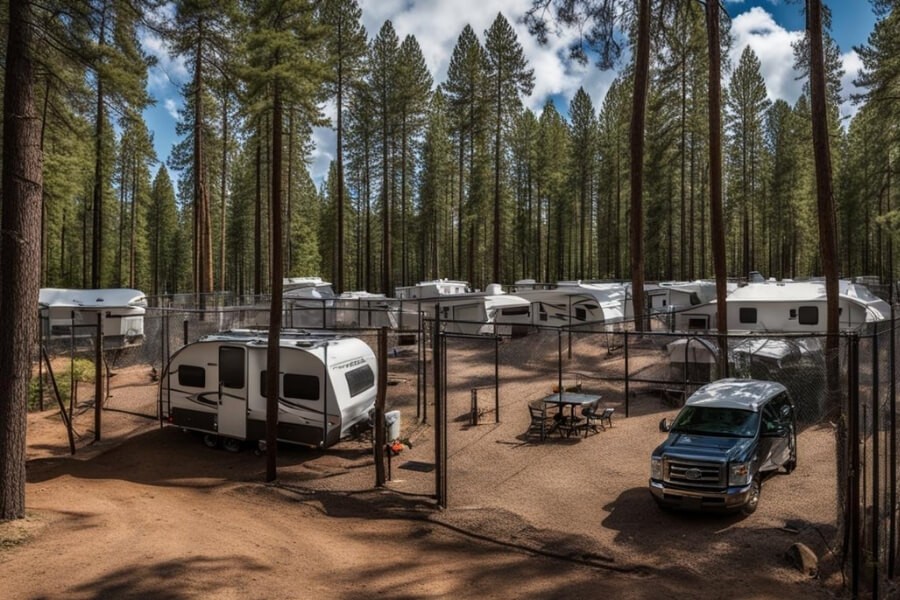
Common scenarios include overnight parking at rest stops, crowded campgrounds, or remote areas without supervision. These situations increase the likelihood of theft, tampering, or unauthorized presence around the vehicle.
Hidden RV Security Challenges Most Buyers Miss
Many users choose cameras designed for home use, which often leads to issues in RV environments.
Unstable internet access
Public WiFi in campgrounds is often unreliable. In remote areas, it may not exist at all. Cameras that rely only on WiFi may fail to send alerts or provide live access when needed.
Limited power availability
Battery-powered cameras are convenient but can drain quickly in high-activity areas. Frequent motion detection can significantly reduce operating time.
Movement and vibration
Cameras mounted on the rear or roof experience constant vibration during travel. Without secure mounting, this can affect angle stability and long-term performance.
Temporary installation constraints
RV setups often require flexibility. Many users prefer solutions that avoid drilling, minimize wiring, and allow quick repositioning when changing locations.
How to Set Up a Security Camera System for Your RV
A single camera is rarely enough for effective coverage. A basic system layout helps reduce blind spots and improve visibility.
Entry point monitoring
Focus on main access areas such as doors and storage compartments. A fixed outdoor camera with a wide viewing angle is typically sufficient.
Perimeter coverage
Monitor the surrounding space, including parking areas and blind zones. In campgrounds, activity often occurs near the sides and rear of the RV. A wide-angle or pan-tilt camera helps improve coverage.
Interior monitoring
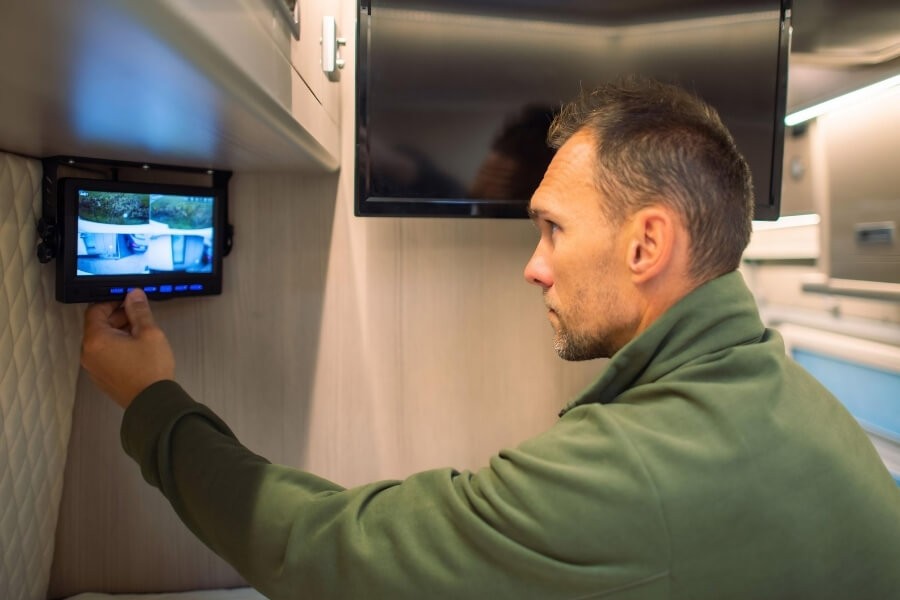
Interior cameras confirm whether entry has occurred and allow remote viewing of belongings. A compact indoor WiFi camera placed near the entry area can cover most of the interior space without complex installation.
Key Features to Look for in an RV Security Camera
Focus on features that improve reliability in mobile environments.
Resolution
2MP (1080p) is sufficient for general monitoring. 3MP or higher provides more detail when identifying people or objects, but increases storage usage.
Connectivity
WiFi works well in populated areas. Cellular connectivity is more reliable for remote travel and off-grid environments.
Power options
Battery-powered cameras offer flexibility, while wired systems provide stable operation. Solar support helps extend usage without frequent charging.
Night visibility
Low-light monitoring is essential. Infrared night vision provides consistent performance, while color night vision improves detail recognition.
Motion detection and alerts
Accurate detection reduces unnecessary alerts. In busy environments, filtering non-relevant motion helps maintain usability.
Storage
Local storage ensures recording continues without internet. Cloud and network storage are useful when connectivity is stable.
Types of Security Cameras for RV Use
Different camera types are suited for different scenarios.
Indoor WiFi cameras
Compact and easy to deploy. Suitable for monitoring interior space and entry points.
Battery and solar cameras
Flexible placement without wiring. Commonly used for outdoor monitoring and temporary setups.
Cellular (4G LTE) cameras
Operate without WiFi and allow remote access in off-grid locations.
Wired multi-camera systems
Provide continuous recording and centralized storage. Suitable for long-term setups with stable power access.
Best RV Security Camera Setups for Different Travel Styles
Your setup should reflect how you use your RV.
Weekend travelers
Short trips and frequent movement require simple setups. One outdoor camera and one indoor camera are usually sufficient.
Full-time RV living
Long-term use benefits from multiple cameras. Combine entry monitoring, interior visibility, and wider coverage for better awareness.
Off-grid or remote camping
Limited connectivity requires independent systems. Cellular cameras, solar power, and local storage improve reliability.
How to Install Security Cameras on an RV
Installation affects both performance and durability.
Choose stable mounting positions
Install cameras above entry points or near the roofline for wider coverage. Avoid easily obstructed areas.
Secure mounting hardware
Ensure mounts can withstand vibration and outdoor exposure. Temporary mounts should be tested before extended travel.
Test camera angles
Check live view, confirm coverage, and verify night performance before finalizing installation.
Protect cables and connections
For wired systems, protect cables from wear and environmental exposure to maintain reliability.
Common RV Security Camera Mistakes to Avoid
Using WiFi-only cameras in remote areas often leads to connection failure.
Installing too few cameras creates blind spots. Ignoring power consumption can reduce system reliability. Mounting without considering vibration may affect performance over time.
FAQ
How many cameras do I need for an RV?
Most RV setups require one to three cameras. Focus on entry points, surrounding areas, and interior space. Larger RVs or full-time setups may need additional cameras to reduce blind spots and improve visibility.
Can I use a security camera without WiFi?
Yes. Many RV security cameras support local storage or cellular connectivity. Cellular cameras allow remote viewing without WiFi, while local storage ensures recording continues even when no network connection is available.
What is the best power option for RV cameras?
Battery-powered and solar-supported cameras offer flexibility and are easier to install. Wired systems provide stable operation but depend on the RV’s electrical system and require more setup.
Can I monitor my RV from my phone?
Yes. Most RV security cameras include mobile apps for live viewing, alerts, and playback. Remote access works through WiFi or cellular networks, depending on the camera’s connectivity type and setup.
Are wireless cameras reliable for RV use?
Yes, if properly installed. Reliability depends on stable mounting, consistent power supply, and network conditions. Battery management and positioning also affect long-term performance in mobile environments.
Final Thoughts on RV Security Camera Systems
RV security requires adapting to changing environments rather than relying on fixed setups.
Focus on your travel conditions, available power, and connectivity options. A practical system should remain simple, reliable, and easy to adjust as your travel needs change.