Top 6 Tips on Security Camera Placement
Correct security camera placement matters more than the number of cameras you install.
Proper placement improves coverage, reduces blind spots, and ensures valuable footage when it matters most.
This guide walks you through six practical tips to help you effectively place indoor security cameras in homes, apartments, and rental spaces.
1. Prioritize Entry Points
Most break-ins occur through doors and ground-level access points.
Your first camera should focus on these areas to cover the most vulnerable spots.
Key areas to monitor:
- Front doors and main entryways
- Hallways and stairways leading to private areas
- Ground-level windows and easily accessible doors
For indoor entry points, a wireless home camera makes installation much easier.
For example, an indoor security camera with Wi-Fi allows for flexible placement, ideal for apartments or rental properties.
2. Mount Cameras High to Prevent Tampering
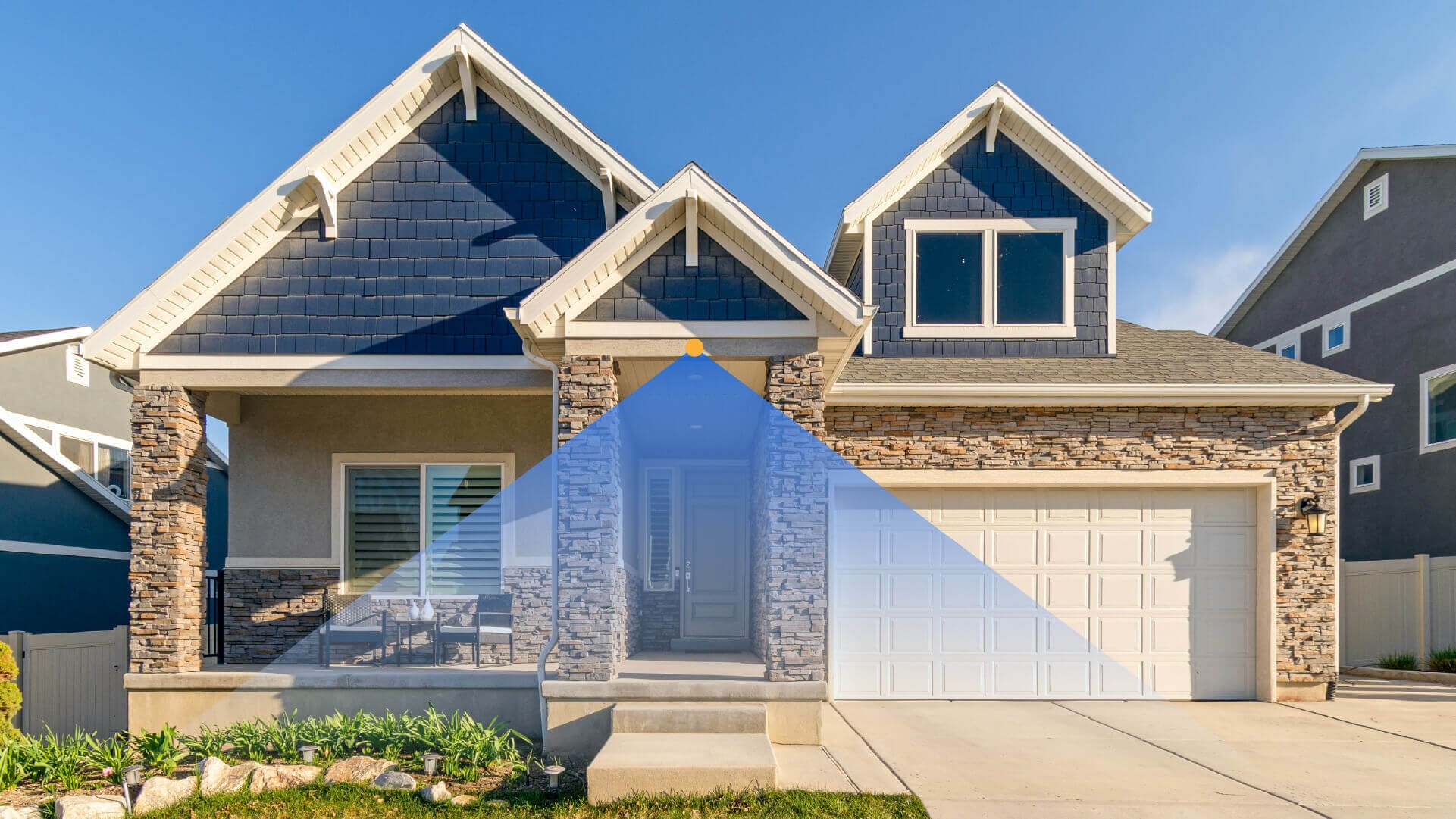
Cameras should be mounted high enough to stay out of reach, but low enough to capture useful details.
The ideal mounting height is around:
- 8 to 9 feet from the floor
This height helps:
- Prevent tampering or vandalism
- Expand the field of view
- Capture clear, identifiable footage
If you install a camera higher, pan and tilt control is essential.
A smart indoor monitoring camera with 360° rotation allows you to adjust the camera’s view remotely, rather than reinstalling it.
3. Eliminate Blind Spots with Smart Coverage
Blind spots limit the effectiveness of your security system.
Corners, narrow hallways, and furniture layouts may block key views if placement is rushed.
To reduce blind spots:
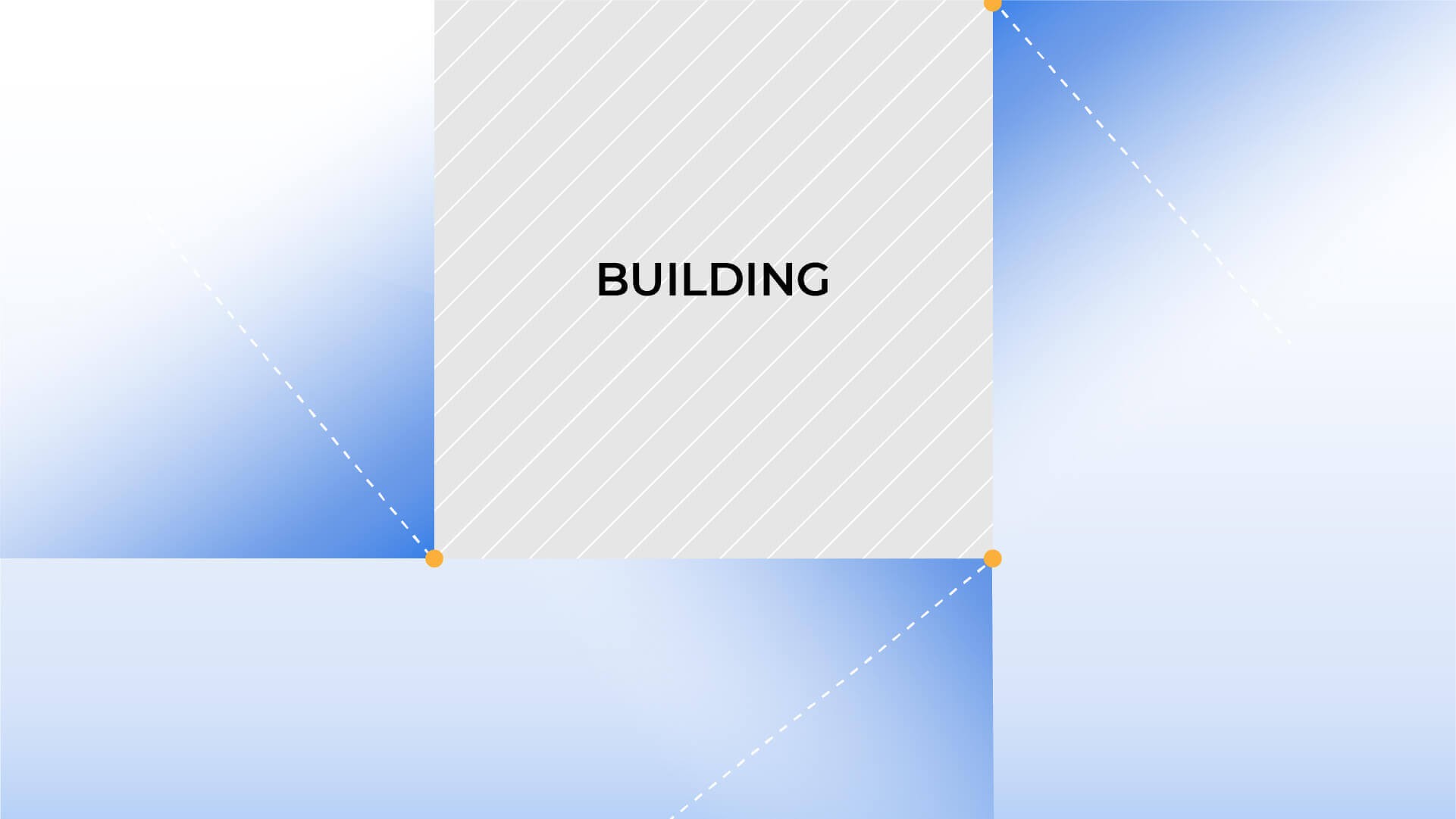
- Place cameras in corners of rooms
- Aim the camera toward high-traffic areas instead of walls
- Use adjustable cameras with wide fields of view instead of fixed ones
An indoor security camera with pan-tilt and AI human detection features helps track motion across rooms, reducing blind spots while minimizing the need for extra cameras.
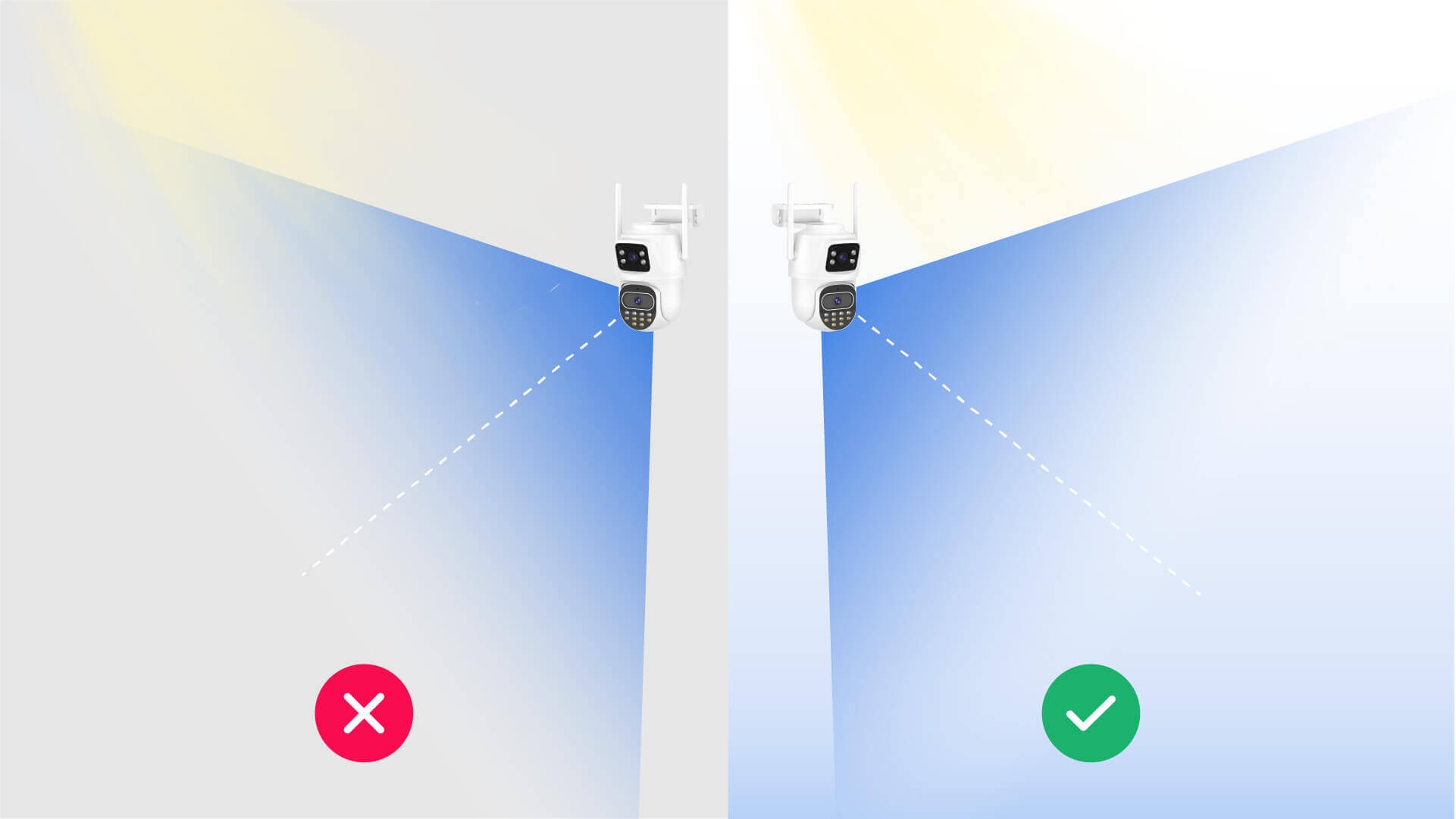
4. Avoid Direct Light and Glare
Lighting directly affects image quality. Proper placement helps avoid glare and overexposure, ensuring reliable monitoring even in low light.
When placing cameras:
- Avoid pointing them directly at windows or bright light sources
- Keep the lenses away from reflective surfaces
- Position cameras to receive indirect light instead of direct sunlight
Cameras with infrared or full-color night vision provide better smart indoor monitoring, especially for nighttime use.
5. Respect Privacy and Legal Boundaries
Not every location is suitable for camera placement. Privacy and legal concerns should always be considered.
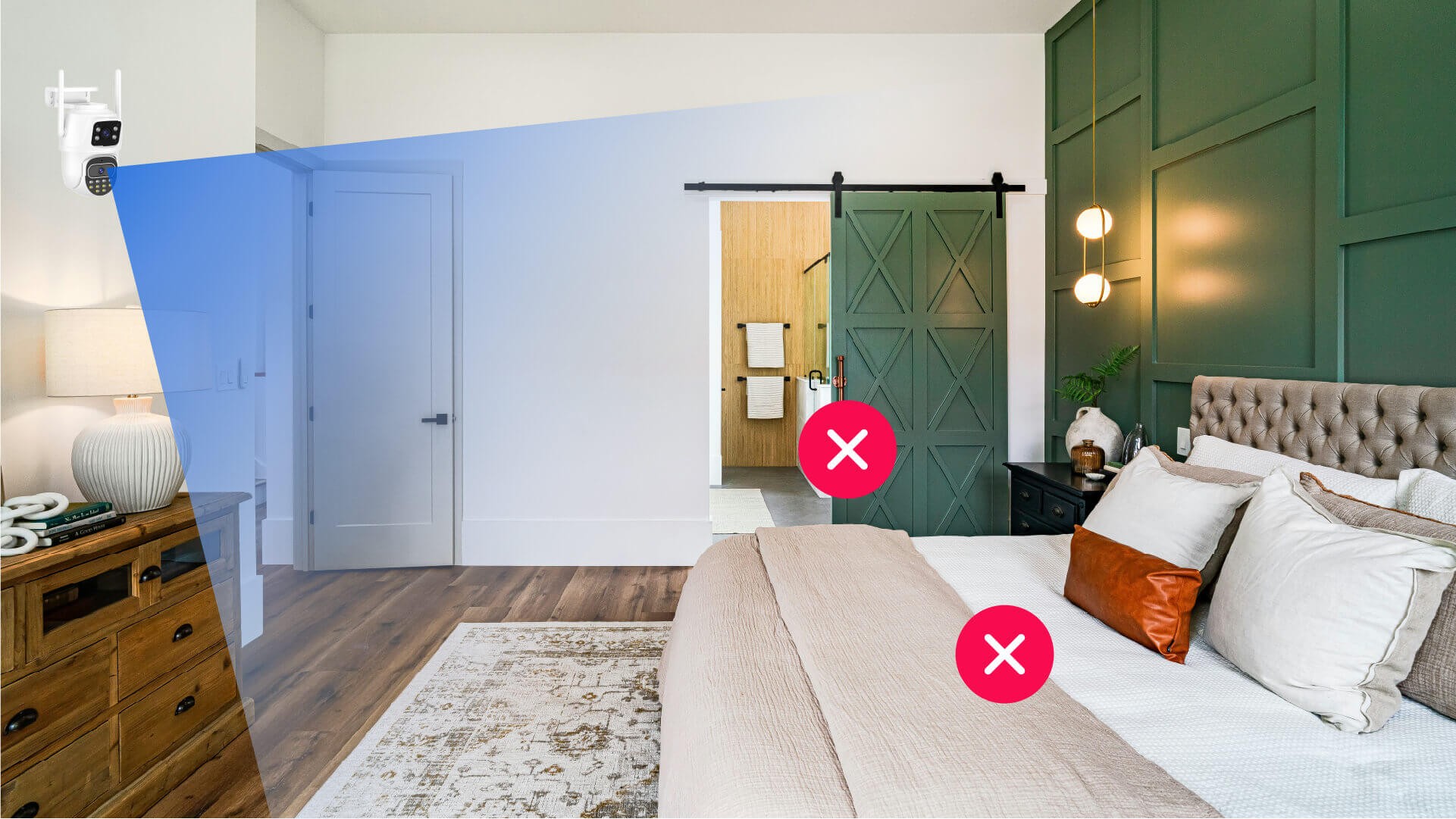
Avoid placing cameras in:
- Bedrooms
- Bathrooms
- Areas that capture neighboring properties
Indoor security cameras are best placed in shared spaces like living rooms, hallways, and entryways.
Respecting privacy is an essential part of easy home protection and ensures your system remains legally compliant.
6. Test Before Final Installation
Testing before final installation helps ensure the camera functions properly and avoids common installation mistakes.
Key test areas:
- Wi-Fi stability in the selected location
- Motion detection accuracy
- Day and night video quality
- Mobile app access and notification reliability
Features like mobile app control, two-way audio, and local SD card storage make testing easier, ensuring long-term usability, especially in family and caregiving scenarios.
Choosing the Right Indoor Setup for Your Home
Every home has different monitoring needs.
Whether you're in a rental, apartment, or family home, choosing simple, flexible setups is key.
RusinVision specializes in wireless indoor security cameras, designed for everyday home use. These cameras offer:
- Easy installation without drilling or wiring
- Reliable Wi-Fi connectivity
- Practical features for daily monitoring and home protection
The goal is clear visibility and peace of mind, without the complexity.
Conclusion
Effective security camera placement doesn’t require complex systems.
By focusing on key entry points, mounting height, blind spots, light control, privacy, and testing, you can build a reliable indoor monitoring system.
For comprehensive indoor security, RusinVision’s wireless home cameras offer a practical solution to ensure easy home protection and smart indoor monitoring, helping you protect your home effortlessly.
FAQ
How to best position security cameras?
Place security cameras at key entry points like doors and windows. Mount them 8-10 feet high for optimal visibility and to prevent tampering. Ensure they cover high-traffic areas and eliminate blind spots using adjustable angles.
What are the mistakes for home security camera placement?
Common mistakes include installing cameras too high, missing blind spots, or failing to consider lighting. Also, avoid placing cameras in areas prone to reflections, direct sunlight, or easily accessible by intruders.
Where is the best place to put security cameras on your house?
The best locations are the front and back doors, ground-floor windows, hallways, and stairways. Ensure all entry points are covered, and consider high-traffic areas like the driveway and garage for added protection.
Where not to put security cameras?
Avoid placing cameras in bedrooms, bathrooms, or areas that could capture neighbors' properties. Ensure cameras respect privacy and follow legal regulations to prevent unnecessary surveillance risks.