2026 Ultimate Guide to Porch Light Cameras: Selection, Installation, and Complete Home Security Solutions
In today’s world, home security is a top priority, and porch light cameras have emerged as an essential tool in safeguarding your home. These devices combine outdoor lighting with surveillance functionality, making them the first line of defense against intruders. This comprehensive guide explores how to select, install, and use porch light cameras, and also discusses how to build a seamless, integrated home security system.
What is a Porch Light Camera and How Does it Work?
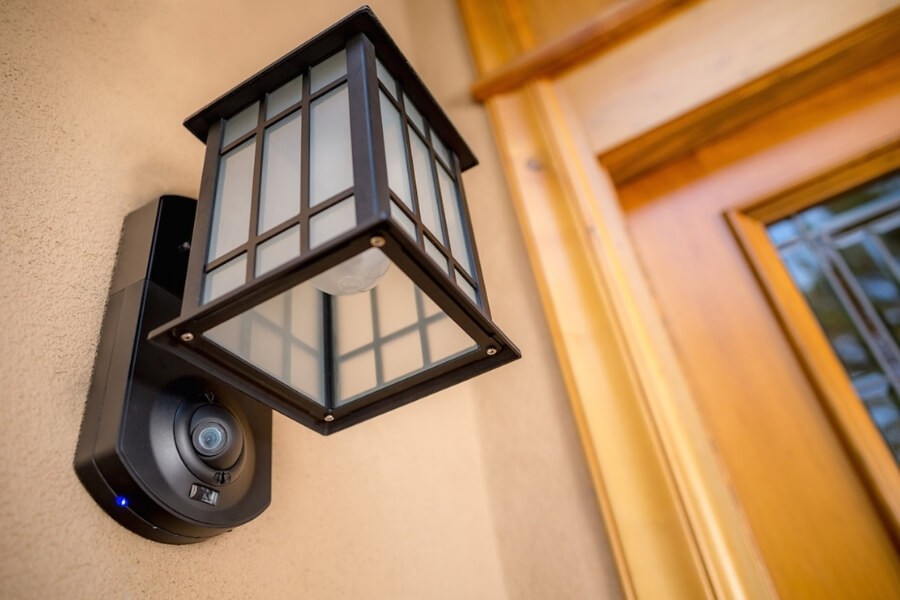
A porch light camera is an innovative outdoor security device that combines motion-detecting lighting with high-definition video surveillance. Installed above the front door, it not only illuminates the entrance but also monitors any activity around it. The camera is equipped with a Passive Infrared (PIR) sensor that detects infrared heat emitted by moving objects. When motion is detected, the light turns on, and the camera starts recording, effectively deterring unwanted guests and providing clear video evidence.
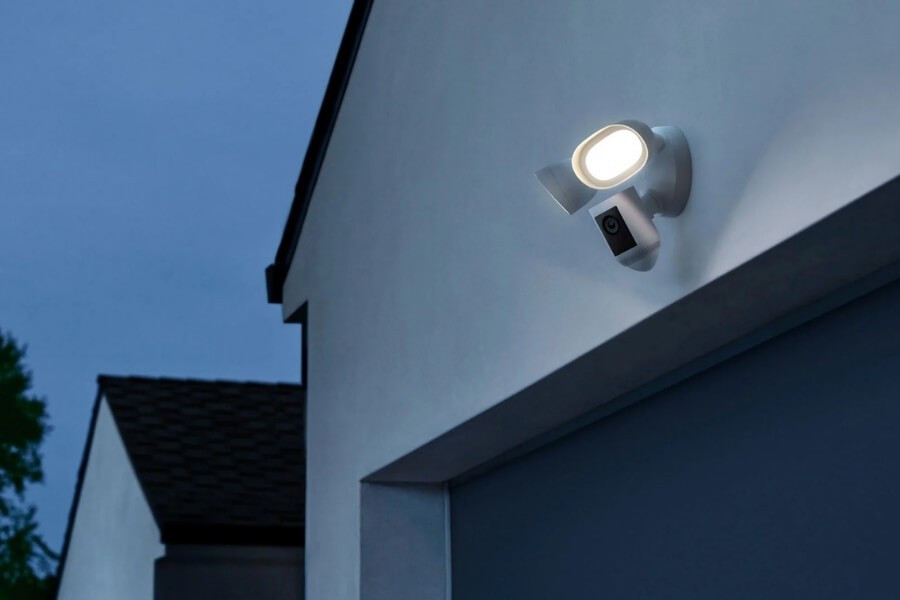
Choosing the Best Porch Light Camera for Your Needs
Choosing the right porch light camera can be a challenge with so many options available. Here are six key factors to help you make an informed decision:
1. Night Vision and Video Quality
For optimal performance, your porch light camera should have reliable night vision. Infrared night vision is a standard feature, but color night vision can provide more detailed images in low-light conditions. Look for cameras with at least 1080p resolution for clear footage. If you need even more detail, consider 2K or 4K cameras for capturing faces or package labels with better clarity.
2. Outdoor Durability and Installation
Outdoor cameras need to withstand various weather conditions. Choose cameras with an IP65 or IP66 rating to ensure dust and water resistance. Wireless Wi-Fi cameras offer flexibility in installation, especially for renters or those seeking easy setups. If your porch already has a power source, wired cameras may offer more stability and a broader range.
3. Smart Detection and Alerts
Motion detection is a must, but to minimize false alerts, select a camera with AI-based human detection. This feature filters out irrelevant movement, such as pets or tree branches swaying, and only alerts you about human activity. Many models also offer two-way audio, allowing you to communicate with visitors or delivery personnel.
4. Lighting Control
A good porch light camera should feature smart lighting that automatically turns on when motion is detected. Additionally, you should be able to control the light’s brightness and switch it on or off remotely using a smartphone app. This feature helps simulate your presence and deters potential burglars.
5. Storage and Data Security
When it comes to video storage, there are two main options: local storage via SD cards (up to 128GB or more) or cloud storage for remote access. Ensure the camera provides robust data security, such as end-to-end encryption and two-factor authentication, to protect your footage from unauthorized access.
6. Smart Home Integration
Look for a porch light camera that integrates seamlessly with your existing smart home system, such as Amazon Alexa or Google Assistant. This allows for easy control and enhances the functionality of the camera by integrating it with other devices, such as smart locks or alarms.
How to Install Your Porch Light Camera for Maximum Effectiveness
The placement of your porch light camera is crucial to maximizing its effectiveness. Here’s where to install it for optimal coverage:
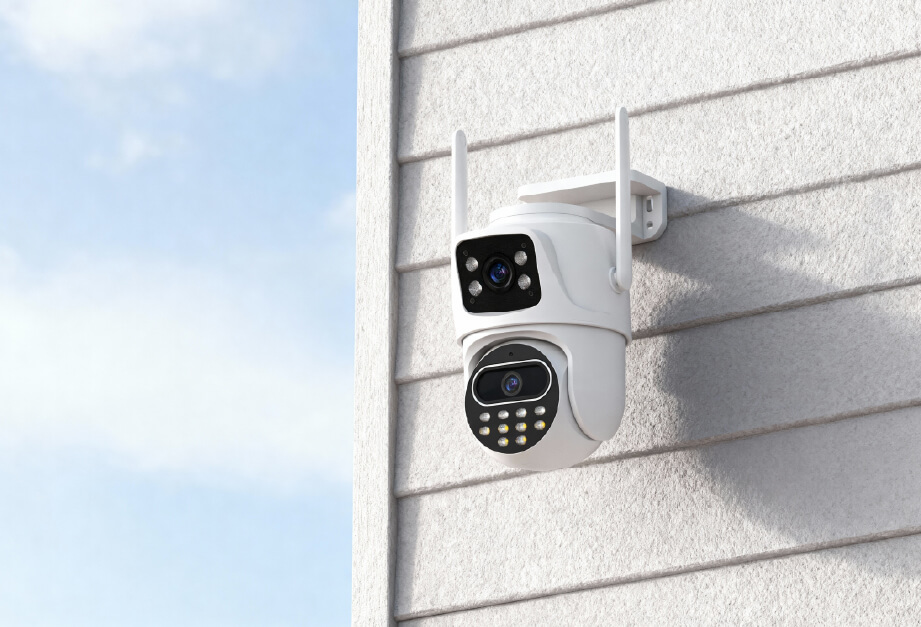
- Primary Location: Install the camera above your front door, angled slightly downward to clearly capture the face of anyone approaching.
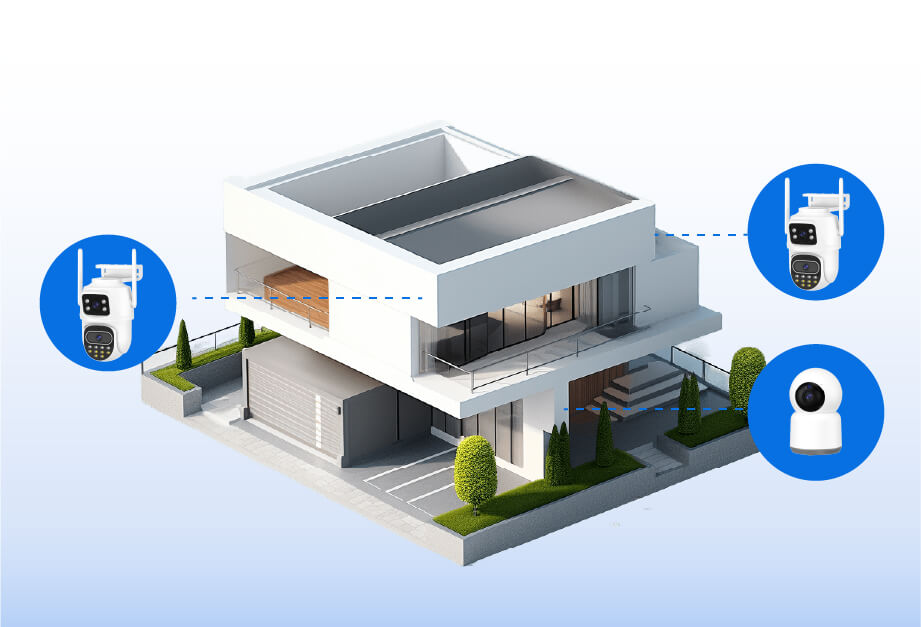
- Additional Locations: Consider placing cameras at other vulnerable entry points, such as the back door, garage, or second-floor balcony, to eliminate blind spots.
- Installation Height: The ideal height is 2.5 to 3 meters (8-10 feet), ensuring the camera is out of reach but still provides a good field of view.
- Avoid Sunlight and Glare: Avoid pointing the camera directly at the sun, as this can cause overexposure and poor video quality.
How to Expand Your Porch Light Camera into a Full Home Security System
While porch light cameras are essential, a comprehensive home security system covers both the interior and exterior of your home. Here’s how to extend your security coverage:
- Indoor-Outdoor Integration: When the porch camera detects motion, you can quickly check indoor security cameras to ensure the safety of your family. This seamless integration creates a holistic approach to home security that gives you peace of mind, knowing you can monitor both the inside and outside of your home in real time.
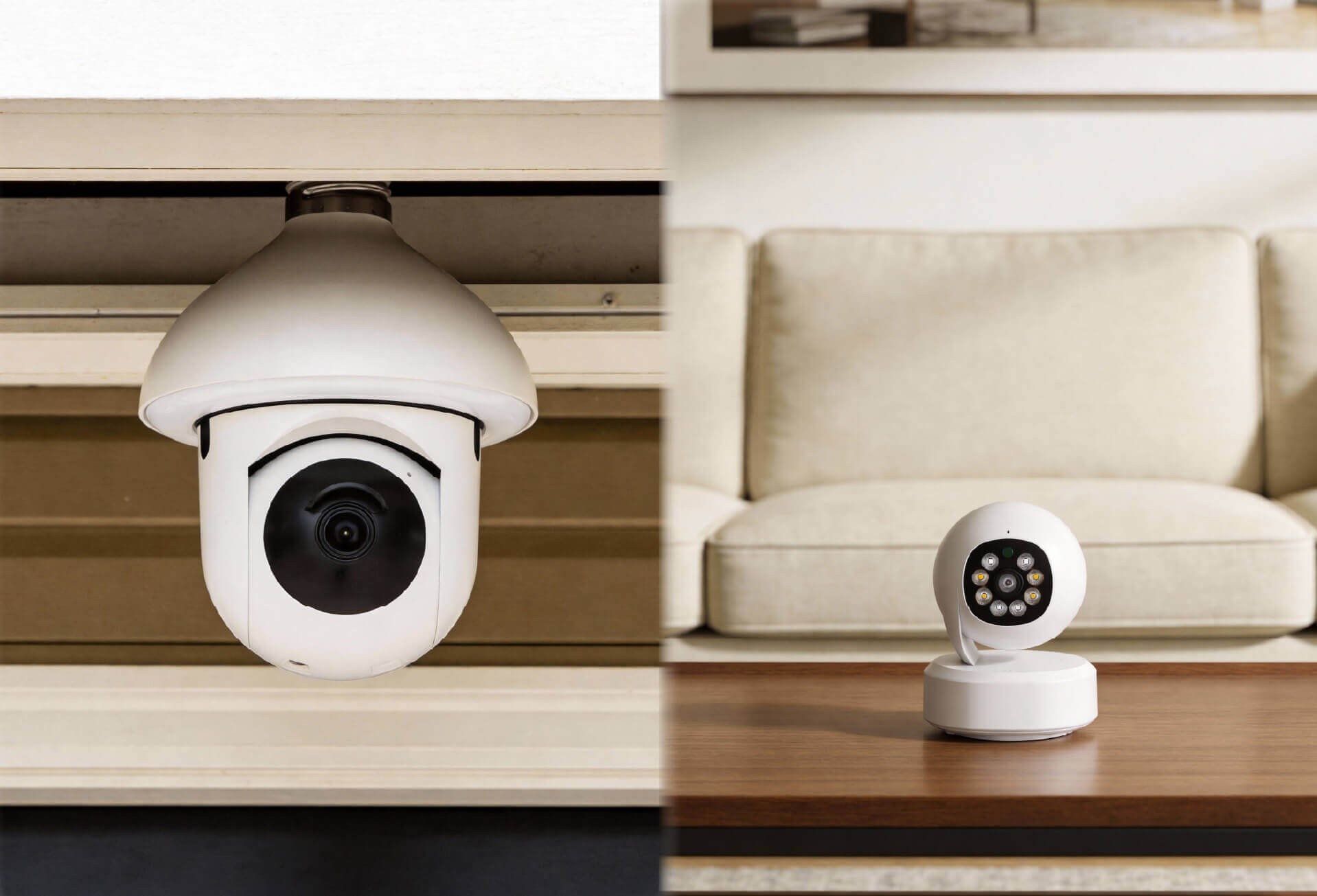
- Seamless Coverage: For apartments or homes, consider adding wireless indoor cameras with 360° pan-and-tilt capabilities to monitor critical areas like living rooms, kids' rooms, and hallways. This helps eliminate blind spots and ensures that every corner of your home is under surveillance.
- Upgraded Solutions: For added peace of mind, install cameras with emergency SOS features in bedrooms or high-risk areas. High-performance indoor cameras with AI detection can monitor specific areas in great detail, automatically recognizing threats and sending alerts when necessary.
Achieve simple and effective home protection with the Home Vision series, specifically designed for homeowners. These wireless Wi-Fi cameras offer flexible installation, allowing you to easily expand your security network from the porch to the interior of your home. Imagine being able to monitor your front door, living room, and even your backyard from one convenient app on your phone. Whether you’re at home or on the go, you’ll always have eyes on your property, ensuring a truly integrated, intelligent security system that adapts to your needs. The Home Vision cameras are built to be user-friendly, offering real-time alerts, HD live streaming, and even two-way audio for interacting with visitors or delivery personnel, all with the push of a button. These features make it easy to build a comprehensive, whole-house security solution, all while providing the convenience and peace of mind you deserve.
FAQ
Do porch light cameras need Wi-Fi?
Yes, most porch light cameras need a Wi-Fi connection (typically 2.4GHz) to transmit live video, receive alerts, and allow remote viewing through smartphone apps.
Should I leave my porch light on all the time?
No, it's unnecessary. Use the motion-sensing feature to turn the light on when needed, simulating activity to deter intruders, and saving energy.
How long does the battery last on a wireless porch light camera?
Battery life varies. For battery-powered models, it ranges from a few months to a year. Solar-powered cameras offer longer, more sustainable performance.
How long can video recordings be stored?
The storage duration depends on the capacity. With a 128GB SD card, event-based recording can last weeks or months. Cloud storage options offer fixed periods, like 30 days.
Are there alternatives to porch light cameras?
Yes, floodlight cameras offer brighter lighting and wider coverage, perfect for large entryways or yards. For indoor or non-lighting areas, wireless Wi-Fi indoor cameras work well.
Conclusion
When choosing a porch light camera, focus on key features like night vision clarity, outdoor durability, smart detection accuracy, and data security. Proper installation enhances its effectiveness, ensuring optimal coverage for your home. Remember, the best security strategy is layered: start with a sturdy porch camera to guard your entryway, then integrate it with flexible wireless indoor cameras to safeguard the interior, creating a comprehensive, intelligent home security solution.