Top 8 Pros and Cons of Public Surveillance Cameras丨RusinVision
Understanding the Real Trade-Offs Between Safety and Privacy
Public surveillance cameras are now a common part of daily life. They appear on city streets, in transportation hubs, shopping districts, and public facilities. This article combines mainstream industry analysis to explain the core benefits and drawbacks of public surveillance cameras, while offering a balanced perspective.
In the final section, we also explore how modern technology can be used in a simple and efficient way to protect private spaces such as homes, without creating unnecessary privacy concerns.
The Central Question – How Public Surveillance Balances Safety and Privacy
The widespread use of public surveillance cameras centers on a long-standing debate between security and privacy.
The Privacy Concern Perspective
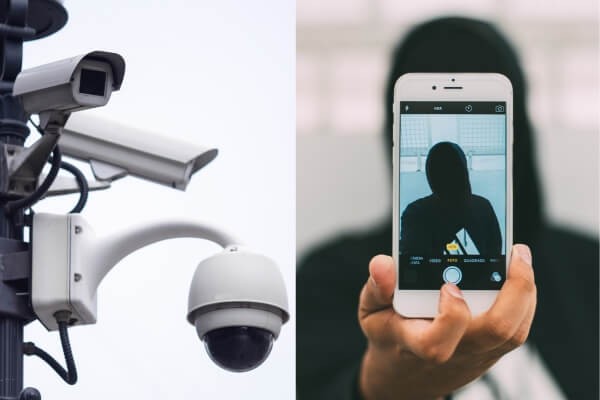
Critics argue that extensive surveillance creates a “Big Brother” environment. People may feel constantly watched even when engaging in lawful, everyday activities. This sense of observation can discourage free expression and personal autonomy.
Installing cameras in locations where people have a reasonable expectation of privacy, such as restrooms or changing rooms, is widely recognized as a clear violation of privacy rights.
The Safety-First Perspective
Supporters emphasize that in high-traffic or high-risk public areas, safety benefits often outweigh privacy trade-offs. Surveillance typically focuses on public behavior rather than private life. In many cases, cameras are intended to deter crime and support emergency response, not monitor individuals.
Key Consensus
The debate is rarely about the existence of cameras themselves. The real issue lies in where cameras are deployed, how footage is used, how long data is stored, and who has access to it. Clear legal frameworks, transparency, and oversight are essential for maintaining balance.
Further Consideration
Public surveillance helps protect shared spaces. In contrast, personal security in private environments such as homes depends on tools that are reliable, easy to use, and respectful of privacy. This is the design principle behind modern wireless home security cameras.
For example, platforms such as RusinVision focus on intelligent detection and privacy-aware monitoring, allowing individuals to manage security in private spaces without creating unnecessary surveillance concerns.
Eight Practical Benefits of Public Surveillance Cameras
Based on widely accepted analysis, the main advantages include the following.
1. Deterring Crime and Reducing Crime Rates
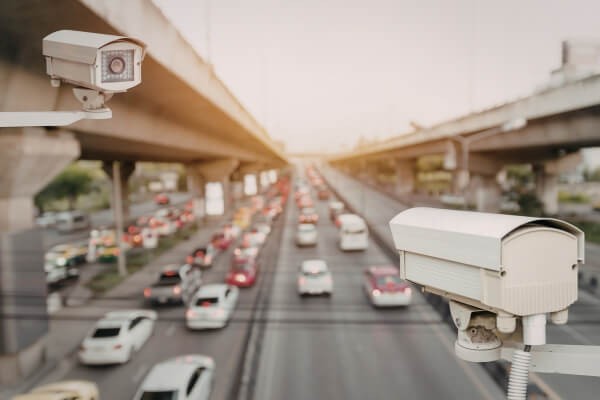
The visible presence of cameras discourages opportunistic crimes such as theft and vandalism. When individuals know they are likely to be recorded, the perceived risk of being caught increases.
Multiple studies report measurable crime reductions in monitored areas such as parking structures and transit stations, with some cases showing decreases of 20 to 50 percent.
2. Supporting Criminal Investigations and Arrests
Surveillance cameras act as impartial witnesses. Recorded footage often provides crucial evidence that shortens investigation time and improves suspect identification.
When combined with modern AI-assisted analysis, large volumes of video data can be reviewed more efficiently, helping authorities focus on relevant events rather than manually reviewing hours of footage.
3. Providing Court-Admissible Evidence and Clues
Video recordings offer objective evidence in legal proceedings. Footage can help confirm events, establish timelines, and support accurate verdicts.
Research indicates that CCTV footage is considered useful in over 60 percent of robbery and assault investigations. In some cases, it has also been critical in proving innocence.
4. Improving Public Safety and Emergency Response
Live monitoring enables faster responses to fires, accidents, or disturbances. Authorities can detect incidents earlier and deploy resources more effectively.
In large public events or crowded areas, surveillance helps reduce risks such as stampedes or uncontrolled congestion.
5. Adding Convenience to Daily Life
Public cameras assist with traffic flow monitoring, violation detection, and signal timing optimization. This helps reduce congestion and improve road safety.
Footage can also help individuals recover lost property in places such as stations or shopping centers.
6. Enabling More Cost-Effective Policing
Cameras act as force multipliers. They allow limited personnel to monitor larger areas, particularly during off-peak hours or in lower-priority locations.
While they do not replace human judgment, they help extend coverage where constant patrols are impractical.
7. Increasing Public Sense of Security
The presence of surveillance often provides reassurance to law-abiding citizens. Feeling safer encourages people to use public spaces more confidently, supporting community activity and economic vitality.
8. Supporting Data Analysis and Urban Planning
Anonymized video data can support city planning by analyzing foot traffic patterns and public space usage. This information helps improve infrastructure design and service allocation.
Recorded footage also allows objective review of accidents, supporting better prevention strategies.
Eight Real Risks and Limitations of Public Surveillance Cameras
Despite their benefits, public surveillance systems present significant challenges.
1. Infringement on Personal Privacy
Large-scale surveillance can create a chilling effect, where individuals alter lawful behavior due to fear of monitoring. This concern remains the most fundamental criticism of public surveillance.
2. Risk of System Abuse
Those with access to surveillance systems may misuse footage for personal, political, or discriminatory purposes. Unauthorized viewing, targeting, or harassment undermines public trust.
Footage may also be misused for blackmail or non-security-related objectives.
3. Cybersecurity and Hacking Risks
Network-connected systems may become targets for cyberattacks. Data breaches can expose sensitive footage.
Internal misuse by administrators or staff also presents a serious risk if access controls are weak.
4. High Deployment and Maintenance Costs
Citywide surveillance networks require significant upfront investment. Ongoing expenses include storage, maintenance, power consumption, upgrades, and monitoring staff.
These costs may limit funding for other public services.
5. Limited or Uneven Effectiveness
Surveillance may displace crime to unmonitored areas rather than reducing it overall. Cameras also have limited impact on impulsive crimes or attacks driven by strong intent.
Some analyses suggest that the proportion of solved cases remains small compared with total crime volume.
6. False Sense of Security
Overreliance on cameras may lead individuals or organizations to neglect other safety measures such as lighting, physical design, or community engagement.
Surveillance should complement, not replace, broader safety strategies.
7. Technical Limitations and Errors
AI-based recognition systems can produce false positives. Poor lighting, low resolution, or unfavorable angles may limit footage usability.
Technical errors can lead to misinterpretation or unjust suspicion.
8. Lagging Legal and Regulatory Frameworks
In many regions, laws have not kept pace with technological development. Ambiguities around data collection, retention, access, and deletion create regulatory gaps.
Legal and Ethical Rules That Shape Public Surveillance Use
While no global standard exists, common principles include:
- Location restrictions – Cameras should never be installed in areas with high expectations of privacy.
- Purpose limitation – Surveillance must serve defined public safety objectives.
- Data minimization and protection – Collect only necessary data and protect it through encryption and anonymization.
- Transparency and accountability – Public notification and independent oversight are essential.
- Community participation – Public input improves acceptance and ethical deployment.
FAQ
Can individuals request access to public surveillance footage?
In many cases, yes. Individuals involved in accidents, theft, or criminal incidents may request footage from the authority managing the cameras. Approval depends on local laws, the purpose of the request, and privacy protections for others captured in the recording.
How can you tell if a public area is monitored by surveillance cameras?
Many regions require visible signage indicating video monitoring. Cameras are commonly mounted on streetlights, building exteriors, or poles and are designed to be noticeable. The presence of warning signs and fixed camera housings is often the clearest indicator.
What is the future direction of public surveillance systems?
Public surveillance is moving toward smarter systems with AI-based analysis, higher image resolution, and cloud-supported management. At the same time, privacy-focused approaches such as edge processing, data minimization, and automated anonymization are becoming more important to reduce unnecessary data exposure.
Beyond public surveillance, how can individuals improve personal safety?
Public safety depends on shared infrastructure, but personal safety is often best managed individually. Modern smart security systems allow users to control monitoring, access footage remotely, and limit data collection. Solutions designed by companies such as RusinVision emphasize user control and responsible monitoring in private environments.
Final Thoughts – Finding a Responsible Path Forward
Public surveillance cameras are a double-edged tool. They support crime deterrence, investigation, emergency response, and daily convenience. However, their large-scale deployment must remain within clear legal and ethical boundaries to prevent privacy erosion and misuse.
Effective safety operates on multiple levels. Public surveillance supports shared environments, while private security begins at home. Choosing solutions that are easy to install, simple to manage, and respectful of privacy helps extend security beyond public spaces.
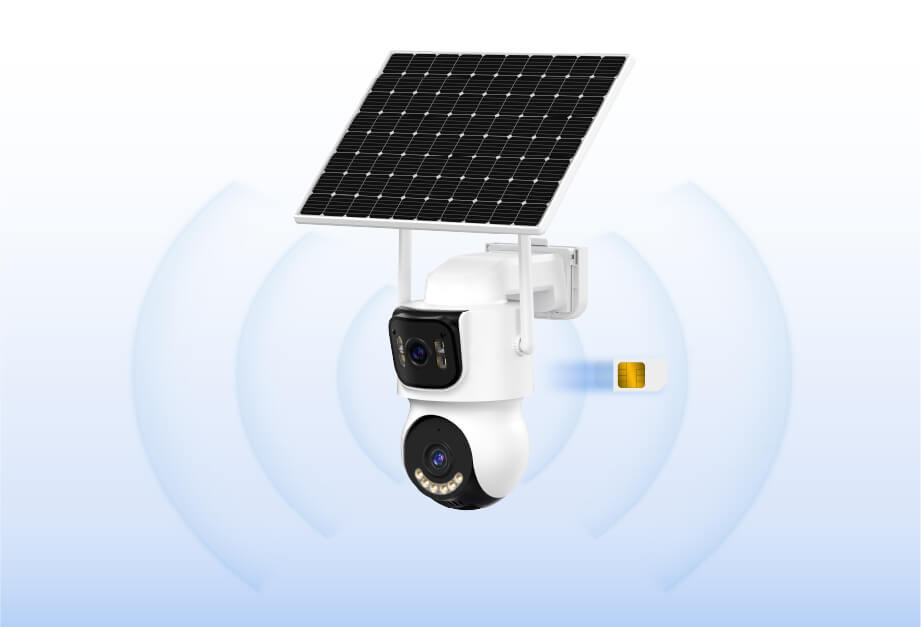
For example, AI-enabled cameras designed for home use focus on intelligent detection, remote access, night visibility, and low-power operation. RusinVision follows this approach by designing systems intended for residential and remote environments, where ease of use, energy efficiency, and responsible monitoring are critical.
Balancing public safety and personal privacy is an ongoing process. With responsible design and informed use, technology can enhance security while preserving trust and autonomy.