How to Hide a Security Camera: Practical Outdoor and Indoor Methods
1. Why More Homeowners Choose to Hide Security Cameras in 2025
Visible security cameras can deter activity, but they also create trade-offs. They may affect a home’s appearance, draw attention from intruders, or become the first target for tampering.

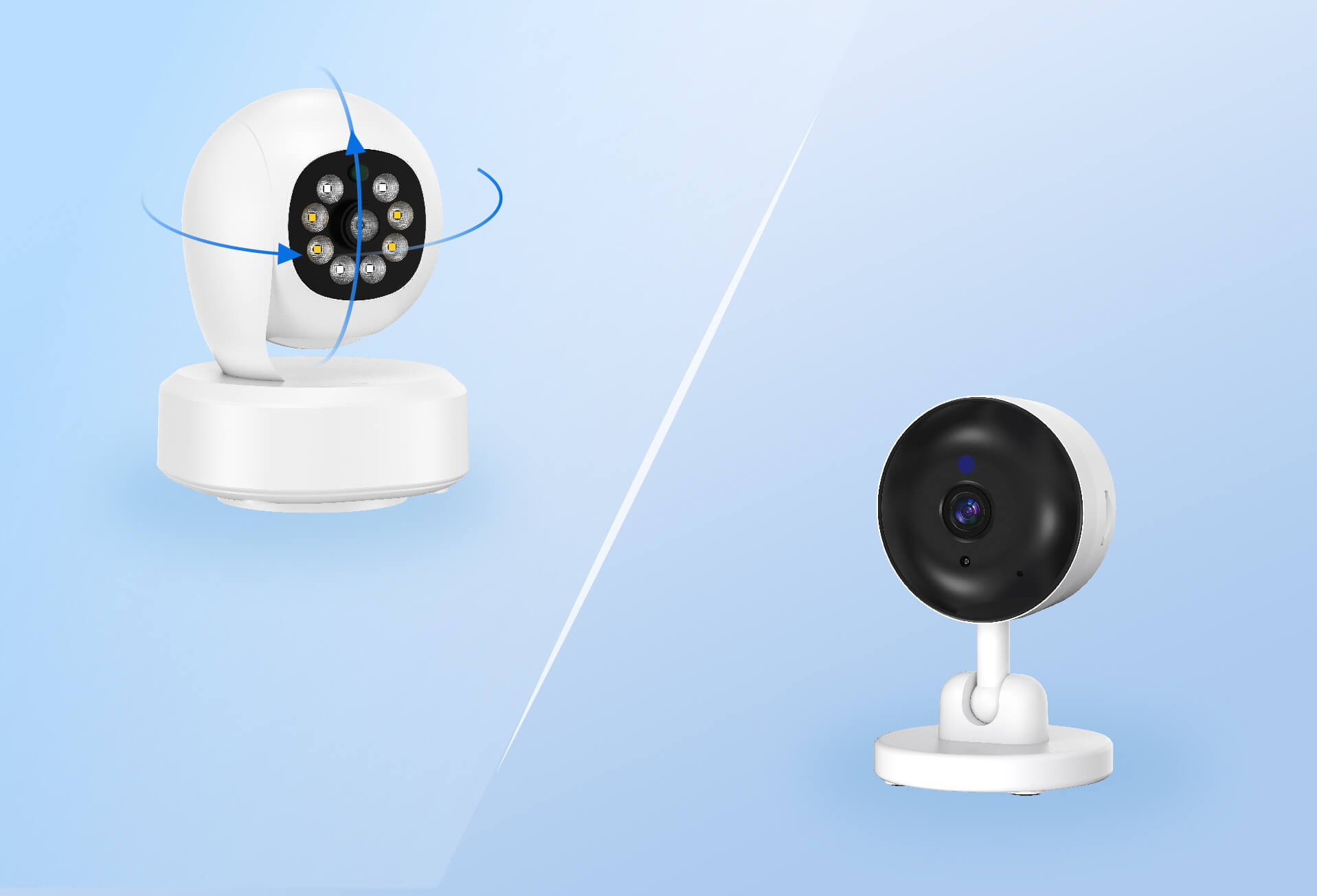
In 2025, concealment depends less on custom DIY work and more on planning. Smaller camera designs, wireless power options, and intelligent detection allow cameras to stay discreet without reducing coverage or reliability.
Hiding a camera is no longer just about appearance. It is part of a broader monitoring approach that balances placement, system stability, and long-term performance.
This guide explains how to hide security cameras effectively while maintaining image quality, usability, and legal compliance in both indoor and outdoor environments.
2. Three Practical Reasons to Hide a Security Camera
Improved Security Reliability
Hidden cameras are less likely to be blocked, damaged, or avoided. When visible cameras are targeted first, concealed devices increase the chance of capturing usable footage during real incidents.
Preserved Aesthetics and Comfort
Cameras that blend into their surroundings reduce visual clutter. Homes, offices, and shared spaces feel more natural when monitoring equipment is not immediately noticeable.
More Natural Monitoring Results
Discreet placement reduces behavior changes. This is useful when monitoring deliveries, outdoor activity, or caregiving situations where visible cameras may influence actions.
3. How to Hide Security Cameras Outdoors Without Drawing Attention
Key principles:
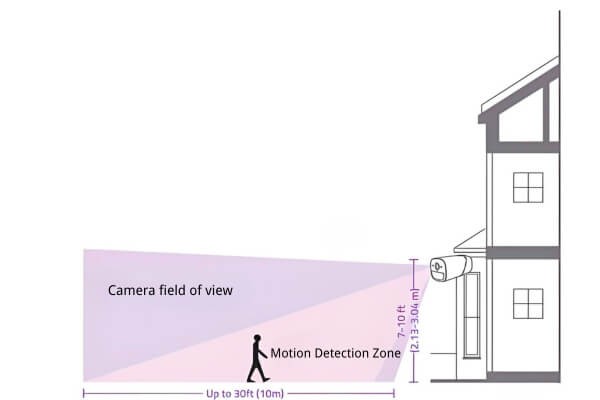
Outdoor cameras must be weather-rated, maintain a clear field of view, and have stable power and signal access. Concealment should never interfere with lens clarity or ventilation.

Using Natural Camouflage
- Trees and shrubs: Position cameras within branches or foliage. Keep leaves away from the lens to avoid motion interference.
- Decorative rocks: Weatherproof rock enclosures blend into gardens and pathways.
- Birdhouses or feeders: These provide natural cover while preserving outward visibility.
Integrating With Building Structures
- Eaves and soffits: Elevated placement reduces visibility and limits tampering.
- Gutters and downspouts: Slim cameras can fit inside modified sections.
- Fences and railings: Hollow or drilled sections allow discreet alignment along property lines.
- Porch columns, mailboxes, and address plaques: Functional exterior elements attract less attention.
Disguising Cameras as Everyday Outdoor Objects
- Outdoor lighting: Porch lights or floodlights with built-in cameras combine illumination and monitoring.
- Garden décor: Statues or planters can house compact cameras.
- PVC conduits: Custom housings can resemble standard exterior piping.
Color Matching and Power Strategy
- Paint or skins: Match camera housings to nearby surfaces using non-reflective finishes.
- Wireless and solar power: Removing visible cables expands placement options. Solar panels can be positioned where they blend naturally into the environment.
These methods are commonly used beyond residential settings. Similar placement strategies apply to large properties, commercial outdoor areas, and remote monitoring locations where exposed wiring is impractical.
4. How to Hide Security Cameras Indoors Using Everyday Objects
Key principles:
Focus on entryways, hallways, and shared living spaces. Avoid private areas. Confirm stable Wi-Fi coverage before final placement.
Indoor concealment is used not only in homes but also in offices, retail spaces, and shared environments where visible cameras may affect behavior.
Concealment in Décor and Displays
- Potted plants: Place cameras among leaves without blocking airflow or view.
- Picture frames and artwork: Hollow frames allow discreet rear-mounted placement.
- Bookshelves: Cameras can resemble books, bookends, or small decorative items.
- Stuffed toys: Sometimes used for childcare monitoring when positioned responsibly.
Integration With Furniture and Appliances
- Cabinets and shelves: Side-panel openings allow outward-facing placement.
- Smart home devices: Speakers, clocks, or displays may integrate cameras into familiar designs.
- Lamps and lighting fixtures: Bases or shades can conceal compact devices.
- Power adapters or outlets: Some mini cameras are designed to resemble charging accessories.
Using Structural Elements
- Behind window frames: Allows indoor placement while monitoring outdoor areas, though night vision may be affected.
- Air vents: Placement must not restrict airflow or cause overheating.
- Ceiling smoke detector housings: Used in professional installations when legally permitted.
5. Expert Tips for Hiding Cameras Without Losing Coverage
Choosing the Right Equipment
- Compact size: Smaller cameras are easier to conceal.
- Wireless operation: Battery or solar power avoids visible wiring.
- Low-visibility night vision: No-glow infrared or low-light color imaging reduces detection.
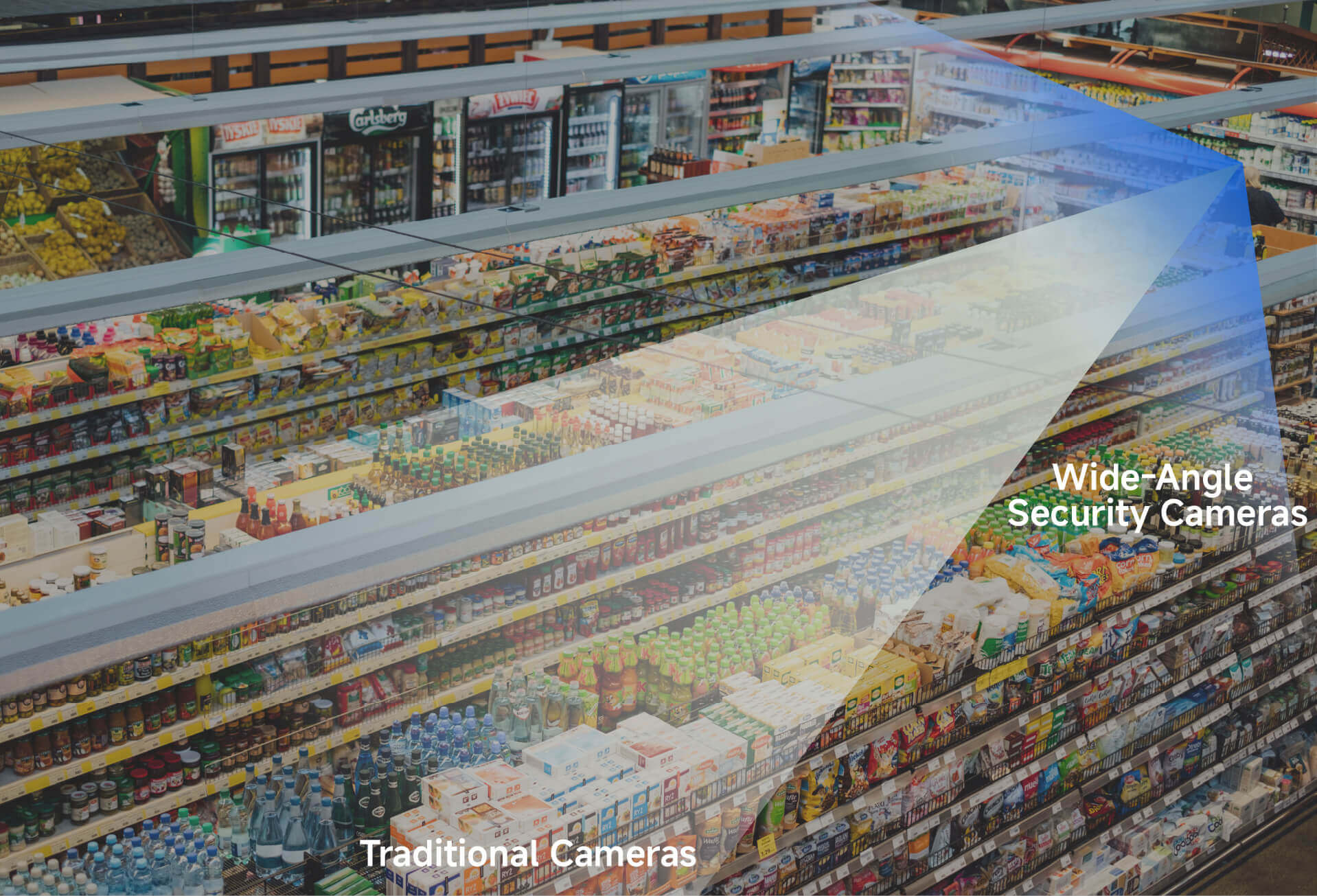
- Wide-angle lenses: Maintains coverage when placement options are limited.
When cameras are hidden, detection accuracy becomes more important than raw motion sensing. Intelligent visual analysis helps reduce false alerts caused by shadows, foliage, or environmental movement.
Planning and Installation
- Test viewing angles: Use the camera app before final mounting.
- Avoid glare: Do not aim directly at windows or strong light sources.
- Ensure ventilation: Enclosed placements require airflow.
- Use a layered strategy: Combine visible cameras for deterrence with hidden cameras for documentation.
- Perform routine checks: Review battery levels, lens cleanliness, and signal strength.
6. Legal Rules to Know Before Hiding a Security Camera
Core rule:
Only monitor areas where there is no reasonable expectation of privacy.
Never monitor:
Bathrooms, bedrooms, or changing areas.
Additional considerations:
- Avoid recording neighboring properties or private spaces.
- Audio recording may require consent depending on location.
- Review local laws, HOA rules, and workplace regulations.
- Employment or caregiver monitoring may involve additional legal obligations.
Systems designed for multiple locations often account for privacy requirements during planning to avoid compliance issues later.
7. FAQ
Q1: Is it legal to hide a security camera?
In most regions, hidden cameras are legal on your own property when monitoring non-private areas. Recording bathrooms, bedrooms, or changing spaces is prohibited. Audio recording laws vary and may require consent. Always review local regulations and HOA rules.
Q2: Does hiding a camera reduce its deterrent effect?
Yes. Hidden cameras focus on evidence collection rather than prevention. Because they are not visible, they do not discourage behavior in advance. A layered setup that combines visible and hidden cameras is often recommended.
Q3: How can camera wires be hidden?
Battery-powered or solar-powered cameras eliminate visible cables. For wired systems, cables can be routed through walls, along baseboards, inside conduit, or concealed behind furniture, trim, or landscaping.
Q4: How can hidden cameras be detected?
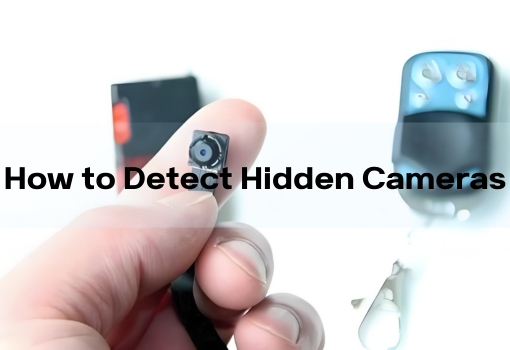
Some hidden cameras can be identified by scanning for lens reflections, using smartphones to detect infrared light, or noticing unusual objects. In sensitive environments, RF scanners or lens detection tools may also be used.
Q5: Are fake cameras recommended?
Fake cameras are generally not recommended. They do not record footage or send alerts, and experienced intruders can often identify them. They provide no evidence and may create a false sense of security.
Q6: What features matter most for hidden cameras?
Important features include at least 2K resolution, reliable night vision, motion alerts, and long battery life or solar charging. Outdoor cameras also require weatherproof housing and a stable mobile app for monitoring.
8. Key Takeaways for Hiding Security Cameras Effectively
Hiding security cameras requires careful placement, appropriate equipment, and legal awareness. Natural surroundings, everyday objects, and structural elements can provide concealment without reducing performance.
The most reliable setups treat hidden cameras as part of a complete monitoring system. Combining visible deterrents with concealed cameras provides both prevention and dependable documentation across residential, commercial, and remote environments.