Bullet vs. Dome vs. PTZ Cameras: How to Choose the Right One for Your Space
A Practical Guide Based on Real-World Use Cases
Choosing the right security camera is not about finding the most advanced device.
It is about selecting the camera type that fits your space, your monitoring goals, and how you plan to use it.
This guide explains the real differences between Bullet, Dome, and PTZ cameras.
It breaks down their strengths, limitations, and ideal use cases to help you make a clear, confident decision.
The Three Most Common Security Camera Types Explained
Before comparing details, it helps to understand what each camera type is designed to do.
Bullet Cameras
Bullet cameras feature a long, cylindrical shape with a clearly visible direction.
They are commonly mounted on walls or eaves and are easy to identify as security devices.
Dome Cameras
Dome cameras are enclosed in a rounded housing that conceals the camera’s direction.
They are designed to be discreet and visually unobtrusive in indoor or semi-outdoor environments.
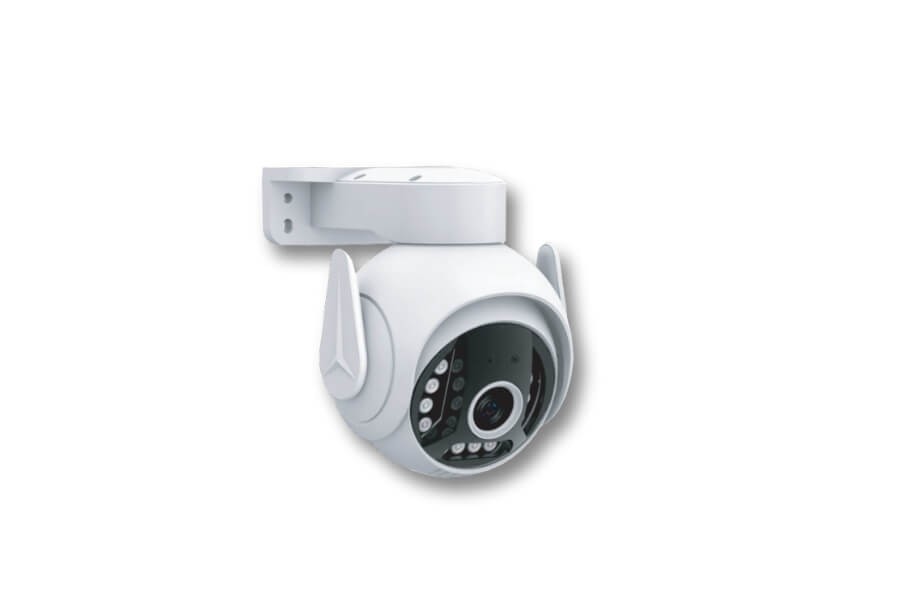
PTZ Cameras
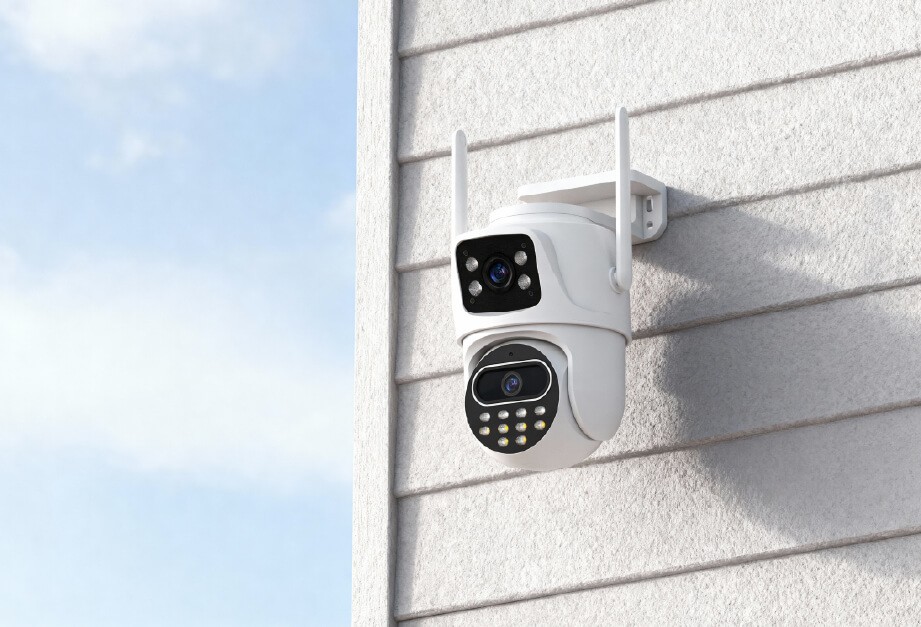
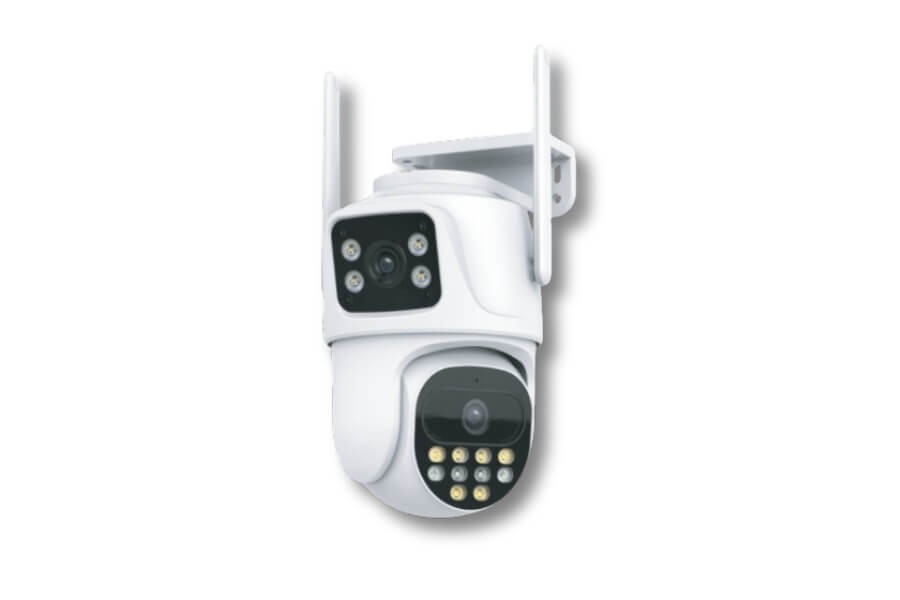
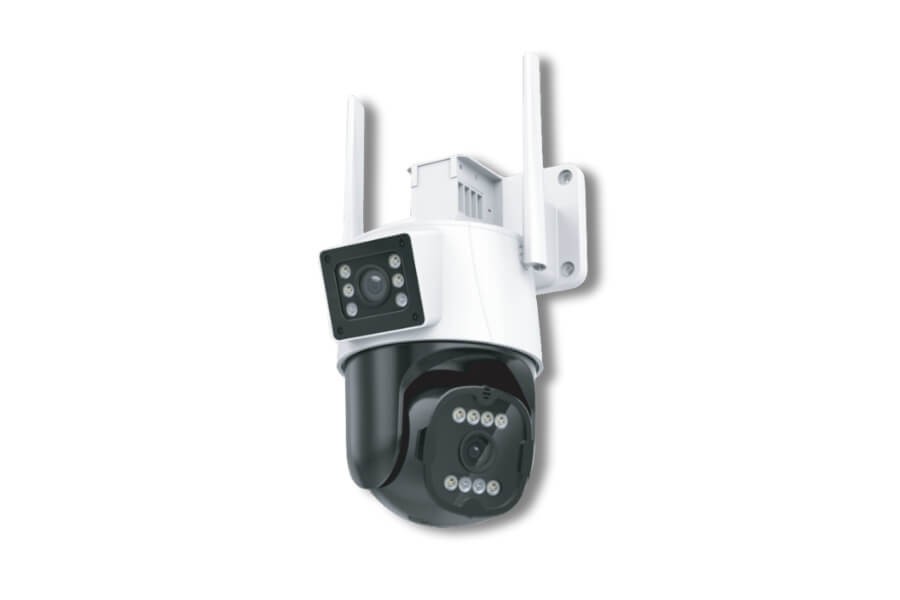
PTZ cameras support pan, tilt, and optical zoom through remote control.
They are typically used in large areas where operators need to actively adjust the field of view.
Key Differences That Affect How You Use Each Camera
| Comparison Area | Bullet Camera | Dome Camera | PTZ Camera |
|---|---|---|---|
| Design & Visibility | Highly visible, strong deterrent | Low-profile, discreet | Larger body, noticeable movement |
| Typical Installation | Walls, eaves, outdoor areas | Ceilings, indoor or sheltered areas | Elevated positions in large spaces |
| Coverage | Fixed view, good mid-to-long range | Fixed wide-angle, short-range | 360° pan with adjustable zoom |
| Deterrence | High | Low | Medium |
| Vandal Resistance | Moderate | High | Moderate |
| Night Performance | Reliable IR night vision | Good, may suffer IR reflection | Strong long-range night vision |
| Installation & Adjustment | Simple and flexible | More complex, limited adjustment | Moderate installation, flexible control |
| Cost | Lower | Mid-range | Higher |
How to Choose the Right Camera for Your Situation
There is no universal “best” camera.
The right choice depends on how and where you plan to monitor.
What Are You Monitoring and Where Is It Located?
Choose a bullet camera if deterrence matters.
Its visible design clearly signals that surveillance is in place.
Choose a dome camera if appearance and discretion matter.
They fit naturally into living rooms, retail floors, and office interiors.
Choose a PTZ camera if you need active tracking across a large area.
They work best in parking lots, warehouses, or large campuses.
Please note
For most homes and indoor environments, professional-grade PTZ systems or highly visible deterrent cameras are often unnecessary.
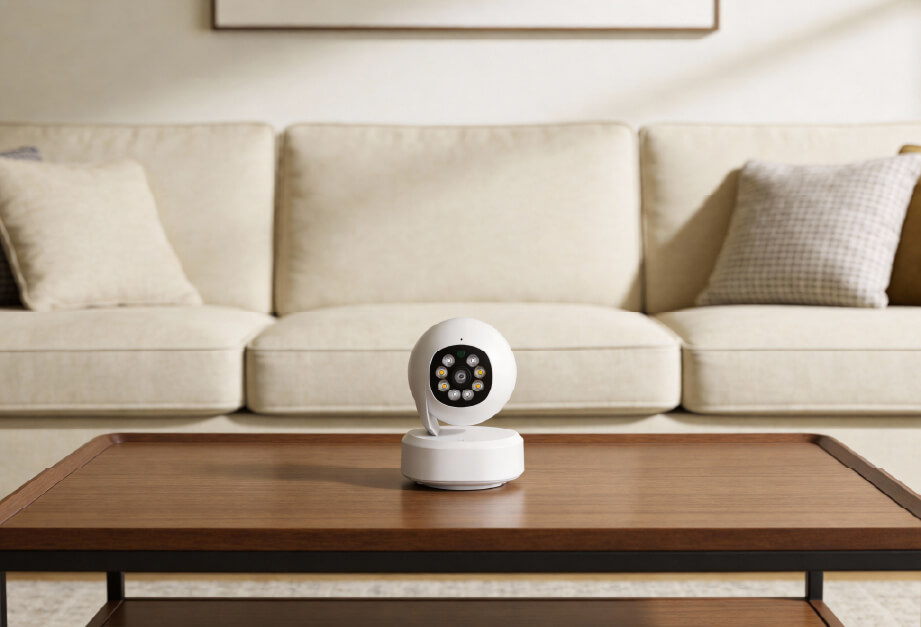
A compact indoor security camera can provide coverage without disrupting the living space.
How Easy Does Installation and Adjustment Need to Be?
Bullet cameras are easy to install and adjust after mounting.
They are suitable when placement may need fine-tuning.
Dome cameras are more secure once installed but harder to reposition.
They are ideal for fixed, long-term coverage.
PTZ cameras allow remote angle adjustment at any time.
They are the only option when dynamic viewing is required.
For home users, modern wireless home cameras simplify installation significantly.
Many indoor cameras now offer plug-and-play setup with app-based control.
How Much Detail and Coverage Do You Actually Need?
Long-distance identification requires optical zoom.
Bullet cameras and PTZ cameras are better suited for this purpose.
Wide-area indoor coverage can be handled by fixed wide-angle dome cameras.
They work well in classrooms or reception areas.
Both wide coverage and close-up detail require PTZ functionality.
Optical zoom remains essential when detail matters.
Cost, Maintenance, and Long-Term Use
Bullet cameras are cost-effective and easy to maintain.
They are practical when budgets are limited.
Dome cameras balance appearance and durability at a moderate cost.
They are often chosen for high-traffic indoor spaces.
PTZ cameras require higher investment and ongoing maintenance.
Their mechanical complexity should be considered carefully.
For everyday households, smart indoor monitoring solutions often strike the right balance.
A wireless Wi-Fi camera can combine HD video, pan-and-tilt coverage, AI human detection, two-way audio, and local storage for easy home protection.
FAQ
Can dome cameras be used outdoors?
Yes. Dome cameras can be used outdoors if they are designed for exterior conditions.
Look for models with at least an IP66 weather rating and impact-resistant housing to ensure reliable performance.
Can a PTZ camera replace fixed cameras?
No. A PTZ camera can only monitor one direction at a time.
Fixed cameras provide continuous coverage and are often used alongside PTZ units for complete visibility.
Why do some dome cameras have night vision glare?
Infrared glare occurs when IR light reflects off the dome cover.
Cameras with IR correction, proper lens spacing, or low-light color imaging can reduce this issue.
Which camera type is most practical for home use?
It depends on location.
Bullet cameras suit outdoor entrances, while dome or pan-and-tilt indoor cameras work better in living spaces.
How can I reduce the risk of camera hacking?
Change default passwords, use strong Wi-Fi encryption, and keep firmware updated.
Choosing brands with regular security updates and local storage options further reduces risk.
Putting It All Together: Making a Confident Choice
Choosing between bullet, dome, and PTZ cameras is a balance of visibility, discretion, coverage, flexibility, and cost.
- Strong deterrence and long-range monitoring → Bullet cameras
- Discreet, vandal-resistant indoor coverage → Dome cameras
- Large-area monitoring with active tracking → PTZ cameras
Final note
As home security continues to evolve, many users are moving toward hybrid solutions.
Compact indoor cameras now combine pan-and-tilt flexibility, clean design, and wireless installation. With mobile app control and smart features, this approach is increasingly adopted for practical, user-friendly home monitoring.