Best Night Vision Security Cameras – Read This Guide Before You Buy
Security cameras are most valuable when they continue working after sunset. Many security incidents occur at night, when lighting conditions make visibility difficult.
Night vision technology allows cameras to capture usable footage in darkness. However, not all night vision systems perform the same way.
Understanding how night vision works and what features matter most can help you choose a camera that fits your environment and monitoring needs.
This guide explains the key technologies, features, and practical considerations involved in selecting night vision security cameras.
How Night Vision Security Cameras Work
Night vision cameras use specialized sensors and lighting technologies to capture images in low-light or dark environments.
Most security cameras rely on infrared illumination. Small infrared LEDs around the lens emit light that is invisible to the human eye but detectable by the camera sensor.
When infrared light reflects from objects, the sensor records the image and converts it into a visible frame. The result is typically a monochrome image designed to highlight shapes, motion, and contrast.
In some environments, cameras may also use low-light sensors or supplemental lighting to improve visibility and color accuracy.
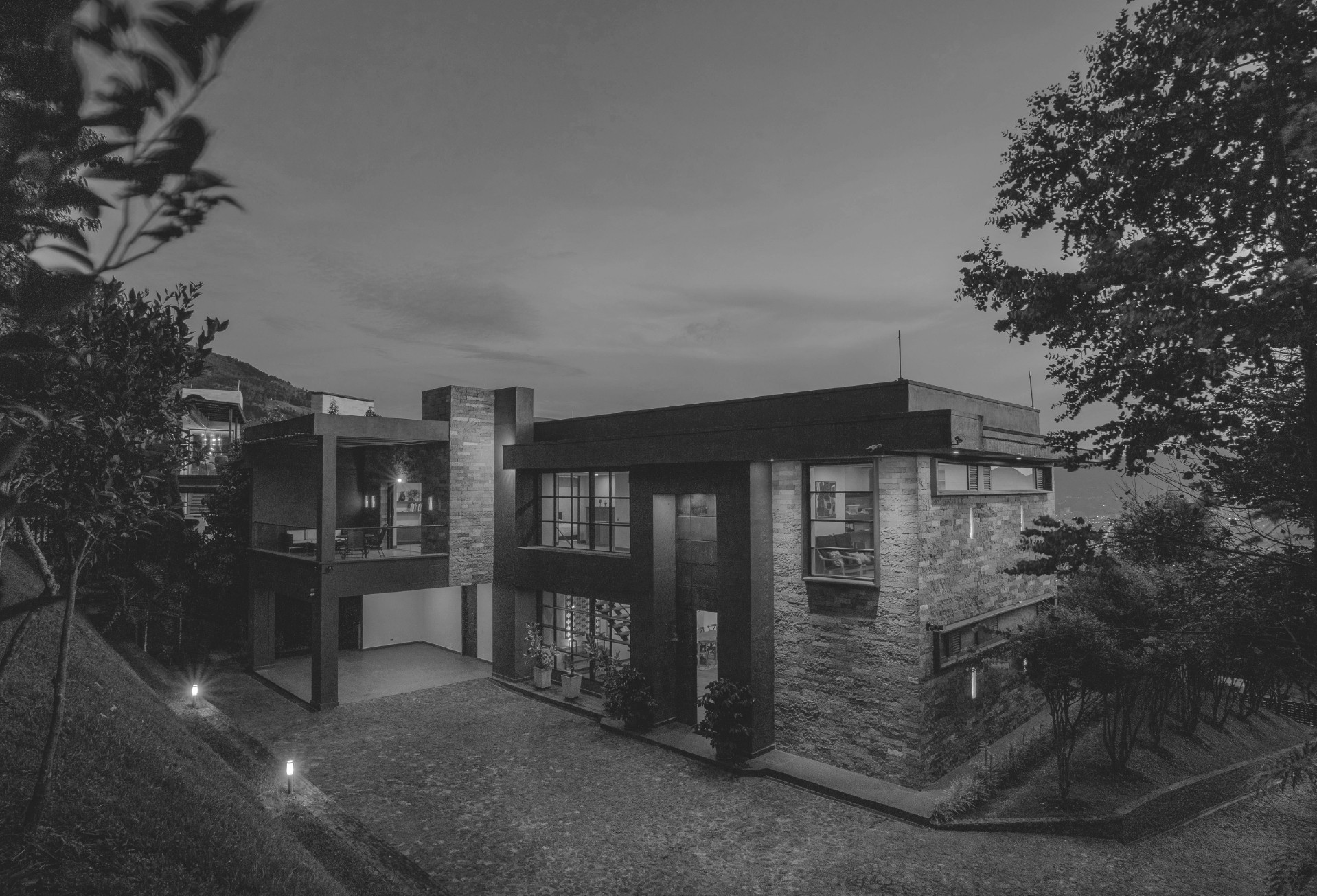
For example, some outdoor monitoring systems use infrared illumination combined with high-sensitivity sensors to maintain image clarity even when street lighting is minimal.
Understanding Different Night Vision Technologies
Different night vision technologies are designed for different environments. Understanding their strengths helps avoid choosing a camera that performs poorly in your specific lighting conditions.
Infrared Night Vision
Infrared night vision is the most common approach used in security cameras.
Infrared LEDs emit light outside the visible spectrum, allowing the camera to capture images in complete darkness. The resulting footage is typically black and white, which improves contrast and motion detection.
Infrared systems are commonly used for outdoor monitoring such as entrances, driveways, and building perimeters.
Color Night Vision
Some cameras use built-in spotlights or enhanced low-light sensors to capture color footage at night.
Color night vision can help identify clothing colors, vehicles, or environmental details that may not be visible in monochrome images.
However, these systems usually require at least a small amount of ambient light. In areas with no lighting at all, infrared technology may still perform more reliably.
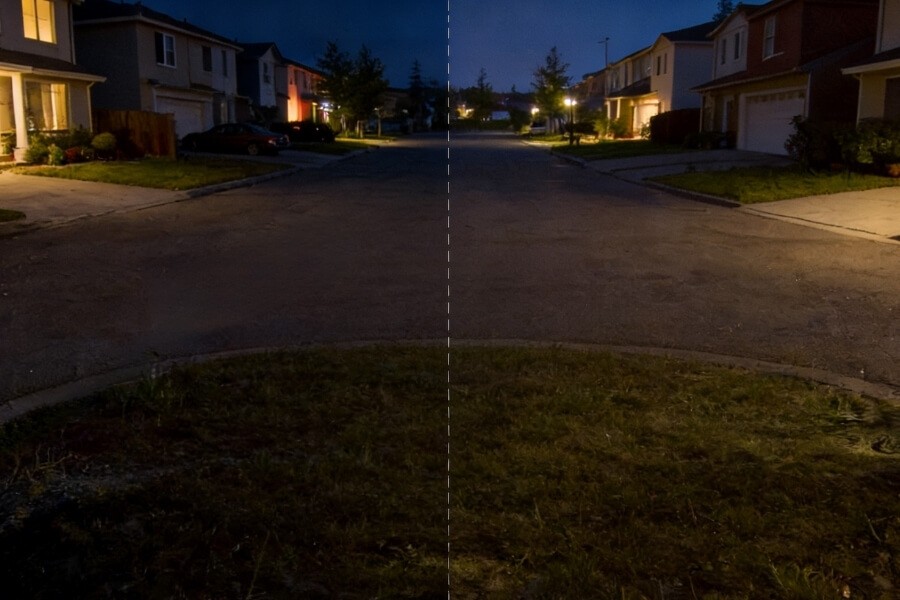
Low-Light Sensor Technology
Advanced camera sensors are designed to capture usable images with minimal light.
These sensors increase sensitivity to available illumination such as moonlight or nearby streetlights. When combined with wide-aperture lenses, low-light sensors can produce clearer images without relying entirely on infrared illumination.
This technology is often used in locations where constant lighting conditions cannot be guaranteed.
Key Features to Consider Before Buying
Night vision performance depends on more than the lighting technology alone. Several hardware and system features also influence how well a camera performs at night.
Important factors include:
Resolution
Higher resolution improves detail recognition. Most residential cameras use 2MP or 3MP sensors, while commercial systems may offer 4MP or higher.
Lens angle
A wider field of view allows the camera to monitor larger areas. However, extremely wide lenses may reduce detail at longer distances.
Motion detection
Accurate motion detection reduces unnecessary recordings and helps identify important activity quickly.
Weather resistance
Outdoor cameras should include weather protection to maintain stable operation in rain, humidity, or temperature changes.
Storage options
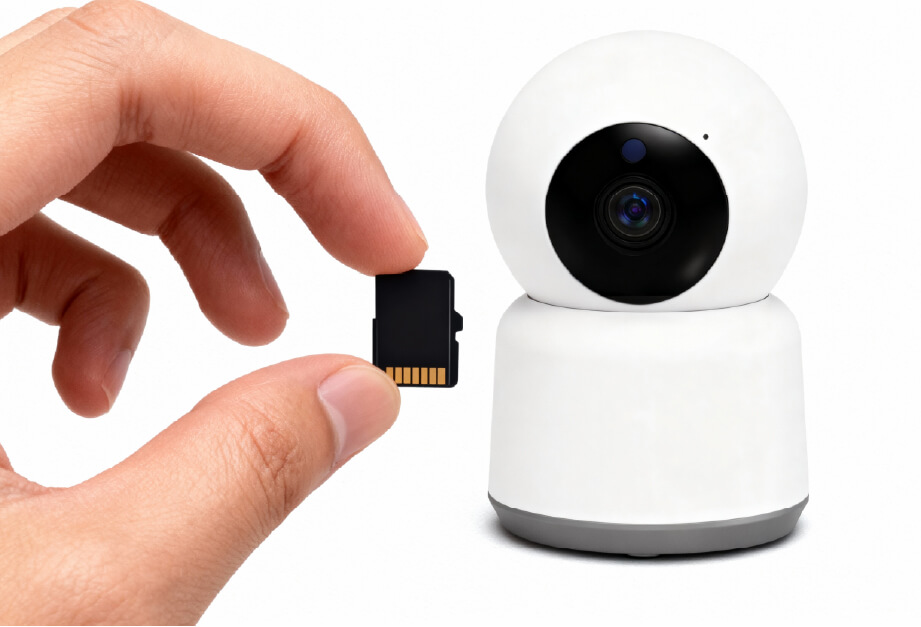
Footage may be stored locally on memory cards or transmitted to cloud storage depending on system configuration.
How to Choose a Night Vision Camera in 4 Steps
Selecting the right camera becomes easier when the decision is broken into a few practical steps.
Step 1 – Identify the Monitoring Area
Start by determining where the camera will be installed.
Indoor spaces usually require smaller cameras with shorter night vision range. Outdoor areas such as entrances or parking spaces may require longer range coverage.
Step 2 – Evaluate Lighting Conditions
Observe how dark the area becomes at night.
If the location has no lighting at all, infrared night vision may be the most reliable option. If some ambient lighting exists, low-light sensors or color night vision may work effectively.
Step 3 – Determine Required Resolution
Resolution determines how much detail can be captured.
For most residential monitoring needs, cameras with 2MP or 3MP resolution provide clear footage. Commercial environments may benefit from higher resolution for larger monitoring zones.
Step 4 – Consider Mounting and Installation
Different environments require different mounting styles.
Magnetic mounts, wall mounts, or ceiling mounts can affect camera coverage and stability. Selecting appropriate mounting hardware helps ensure consistent monitoring.
Night Vision Range and Coverage
Night vision cameras vary in how far they can see in darkness.
Typical infrared night vision ranges include:
30 ft for small indoor rooms
50–65 ft for residential outdoor monitoring
100 ft or more for larger outdoor areas
Actual performance depends on environmental conditions such as obstacles, lighting interference, and camera placement.
Monitoring a small backyard usually requires a shorter infrared range, while larger open spaces may require cameras designed for wider coverage.
Best Places to Install Night Vision Cameras
Camera placement can influence night visibility as much as the technology itself.
Common installation locations include:
Front entrances
Monitoring entry points helps identify visitors or unexpected activity during nighttime hours.
Driveways and parking areas
These locations benefit from cameras with moderate night vision range and wide coverage.
Backyards
Backyard monitoring often requires outdoor cameras capable of handling complete darkness.
Hallways and indoor corridors
Indoor cameras with shorter night vision range are often sufficient for these environments.
Correct placement helps maximize the effectiveness of night vision technology while minimizing blind spots.
Common Mistakes When Buying Night Vision Cameras
Choosing the wrong camera can lead to poor night visibility or unreliable monitoring.
Ignoring lighting conditions
Some cameras perform well only when ambient lighting is present. Areas with no light require infrared night vision.
Choosing resolution without considering distance
Higher resolution does not always improve visibility if the monitoring area is too large.
Installing cameras too high
Mounting cameras too high may reduce image clarity and make identification difficult.
Overlooking storage capacity
Night monitoring often produces longer recording periods, which requires adequate storage planning.
Understanding these factors helps prevent unnecessary upgrades or system replacements later.
FAQ
Do night vision cameras work in complete darkness?
Yes. Cameras equipped with infrared illumination can record images even when no visible light is present. Infrared LEDs emit light that is invisible to the human eye but detectable by the camera sensor, allowing the device to capture clear shapes and movement during nighttime monitoring.
Are color night vision cameras better than infrared cameras?
Not always. Color night vision cameras can provide more visual detail when some ambient lighting is available. Infrared cameras usually perform more reliably in complete darkness because they generate their own illumination using infrared LEDs rather than relying on external light sources.
How far can night vision cameras see?
Night vision distance depends on infrared power, lens design, and environmental conditions. Most residential security cameras provide visibility between 30 and 65 feet at night, while cameras designed for larger outdoor monitoring areas may extend night vision coverage to 100 feet or more.
Do night vision cameras require additional lighting?
Infrared night vision cameras do not require additional lighting because the built-in infrared LEDs provide illumination for the sensor. However, cameras that rely on color night vision or low-light sensors may perform better when some ambient light is present in the environment.
Can night vision cameras be used indoors and outdoors?
Yes. Night vision cameras are designed for both indoor and outdoor environments. Indoor cameras typically require shorter night vision range, while outdoor cameras include weather-resistant housings and stronger infrared illumination to support wider monitoring areas.
Which security camera has the best night vision?
The best night vision camera depends on the monitoring environment. Important factors include infrared range, sensor sensitivity, lens angle, and resolution. Cameras designed for outdoor monitoring often combine infrared illumination with wider coverage to maintain visibility across larger areas.