Best Solar Security Camera Systems for Sustainable Home Monitoring
Solar security camera systems are becoming a practical option for homeowners who want reliable monitoring without relying on the power grid. These systems combine solar panels, rechargeable batteries, and wireless cameras to support long-term outdoor monitoring in a wide range of environments.
This guide explains how solar security camera systems work, when they make sense, and how to choose the right setup for sustainable home monitoring.
What Is a Solar Security Camera System
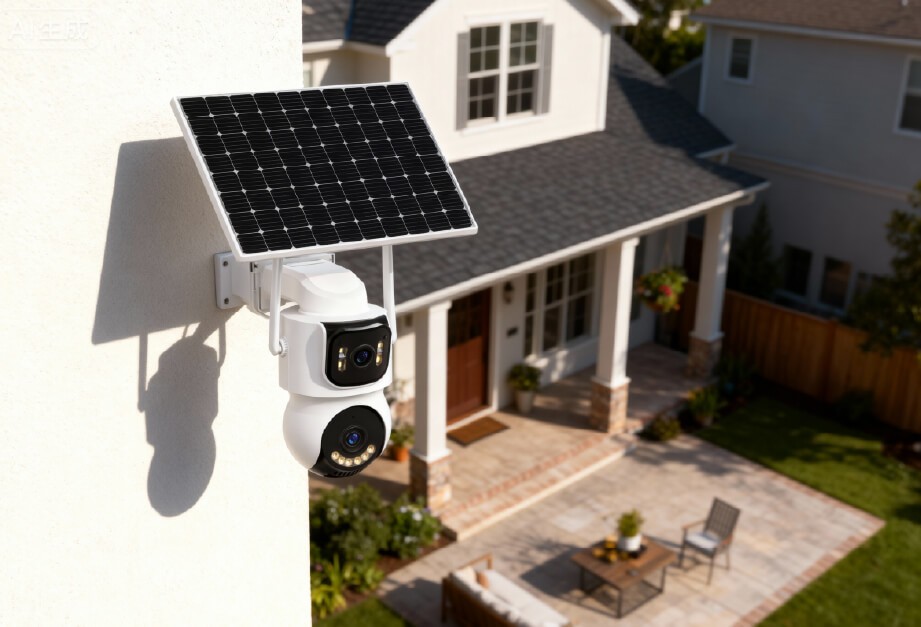
A solar security camera system is a self-powered monitoring setup that uses sunlight as its primary energy source. It typically includes a solar panel, a rechargeable lithium battery, and a wireless camera.
The solar panel converts sunlight into electricity and stores it in the battery. The battery then powers the camera during nighttime or low-light conditions.
These systems are commonly used in homes, vacation properties, farms, construction sites, and other locations where wired power is unavailable or unreliable.
Why Homeowners Choose Solar Security Cameras
Solar-powered security cameras solve several common problems found in traditional wired systems.
They reduce reliance on grid electricity and eliminate ongoing power costs. This supports a more sustainable household setup.
Installation is flexible because no power cables are required. Cameras can be placed where sunlight is available rather than where outlets exist.
Solar systems continue working during power outages. This makes them useful for remote properties and regions with unstable electricity.
Maintenance requirements are low. In most cases, routine panel cleaning and basic battery checks are sufficient.
Many systems also integrate smoothly with smart home environments, allowing remote access and alerts through mobile apps.
How to Choose the Right Solar Security Camera System
Choosing the right system depends on your environment, coverage needs, and connectivity options.
Video Quality and Night Monitoring
Look for cameras with at least 1080p resolution. For larger areas or detailed identification, 2K or 4K resolution may be more suitable.
Night monitoring is essential for outdoor security. Infrared night vision or color night vision with supplemental lighting helps maintain visibility after dark.
Power Efficiency and Battery Capacity
Solar panel efficiency above 20 percent improves charging consistency. Battery capacity of 10,000 mAh or higher helps maintain operation during cloudy days or winter months.
Connectivity Options
Most solar cameras use Wi-Fi for data transmission. In areas without stable Wi-Fi, 4G or 5G cellular options may be necessary.
Some users combine outdoor solar cameras with indoor monitoring. For example, if you are pairing outdoor solar cameras with indoor coverage, RusinVision offers wireless indoor and magnetic-mount cameras that can be installed without drilling and managed through the same mobile workflow. This can simplify whole-home monitoring without adding system complexity.
Smart Features
Common features include motion detection, person or vehicle recognition, two-way audio, and real-time alerts. These features help reduce false notifications and improve daily usability.
Durability and Weather Resistance
Outdoor cameras should meet at least IP65 standards. This ensures reliable operation in rain, dust, and temperature fluctuations.
Storage and Fees
Local storage via microSD cards reduces long-term costs. Some systems also offer optional cloud storage, which may or may not require a subscription.
Installation and Setup Basics
Proper placement is essential for consistent solar performance.
Position solar panels to receive direct sunlight for four to six hours per day. Avoid shading from trees, roofs, or nearby structures.
Mount the camera at an elevated angle that covers entry points or open areas. Ensure the field of view is clear and unobstructed.
After installation, connect the camera to the mobile app. Test motion detection, night vision, and remote access before finalizing placement.
Typical Use Cases for Solar Security Cameras
Solar-powered systems support a wide range of monitoring needs.
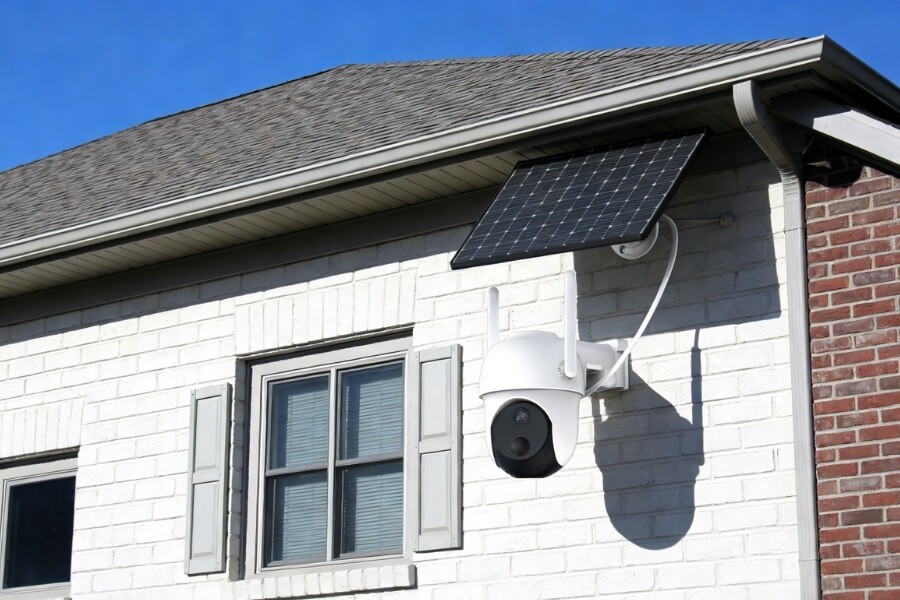
Residential homes often use them to monitor front doors, backyards, and garages. They provide outdoor coverage without adding electrical work.
Remote properties such as vacation homes, farms, or cabins benefit from off-grid operation and long standby times.
Commercial and shared spaces, including parking areas and storage yards, use solar cameras for perimeter monitoring and asset protection.
Temporary installations such as outdoor events or short-term construction projects use solar systems for flexible deployment.
In residential setups, some households also add indoor care cameras for shared spaces or entryways. In this case, RusinVision home monitoring cameras are designed for short-range indoor use, offering stable Wi-Fi connections and simple app-based access without increasing system complexity.
FAQ
Do solar security cameras work in cloudy or winter conditions?
Yes. Solar security cameras can operate in cloudy or winter conditions, depending on battery capacity and solar panel efficiency. Systems with larger batteries can store enough energy to maintain operation during periods of limited sunlight. Proper panel placement and efficient power management also help ensure consistent performance year-round.
Do solar security cameras require internet access?
Most solar security cameras use Wi-Fi or cellular networks for remote viewing and alerts. However, many models can continue recording locally using onboard storage even without an internet connection. Internet access is mainly required for live viewing, notifications, and remote management through mobile applications.
Is professional installation required for solar security cameras?
No. Most solar security cameras are designed for DIY installation and do not require professional assistance. Wireless designs eliminate the need for electrical wiring, and mounting typically involves basic tools. Clear setup instructions and mobile apps guide users through pairing, positioning, and testing the system.
How clear is night footage on solar security cameras?
Night footage quality depends on the camera’s night vision technology. Most solar security cameras support infrared night vision, while some offer color night vision using built-in spotlights. These features allow the camera to capture usable details after dark, supporting reliable monitoring during nighttime hours.
Is there a monthly fee for using solar security cameras?
Many solar security camera systems do not require a monthly fee when using local storage such as microSD cards. Some brands offer optional cloud storage plans for extended access or backup. Whether a fee applies depends on the storage method and features you choose to use.
Building a Sustainable Home Monitoring Setup
Solar security camera systems offer a practical balance between reliability, flexibility, and energy efficiency. They are well suited for outdoor monitoring where wiring is impractical or costly.
A complete home setup often combines outdoor solar cameras with simple indoor monitoring tools. For homeowners planning a balanced system, RusinVision focuses on residential and commercial camera solutions designed to work together without adding installation complexity.
By choosing the right mix of solar-powered outdoor cameras and wireless indoor monitoring, homeowners can build a sustainable security system that adapts to real-world conditions and long-term use.