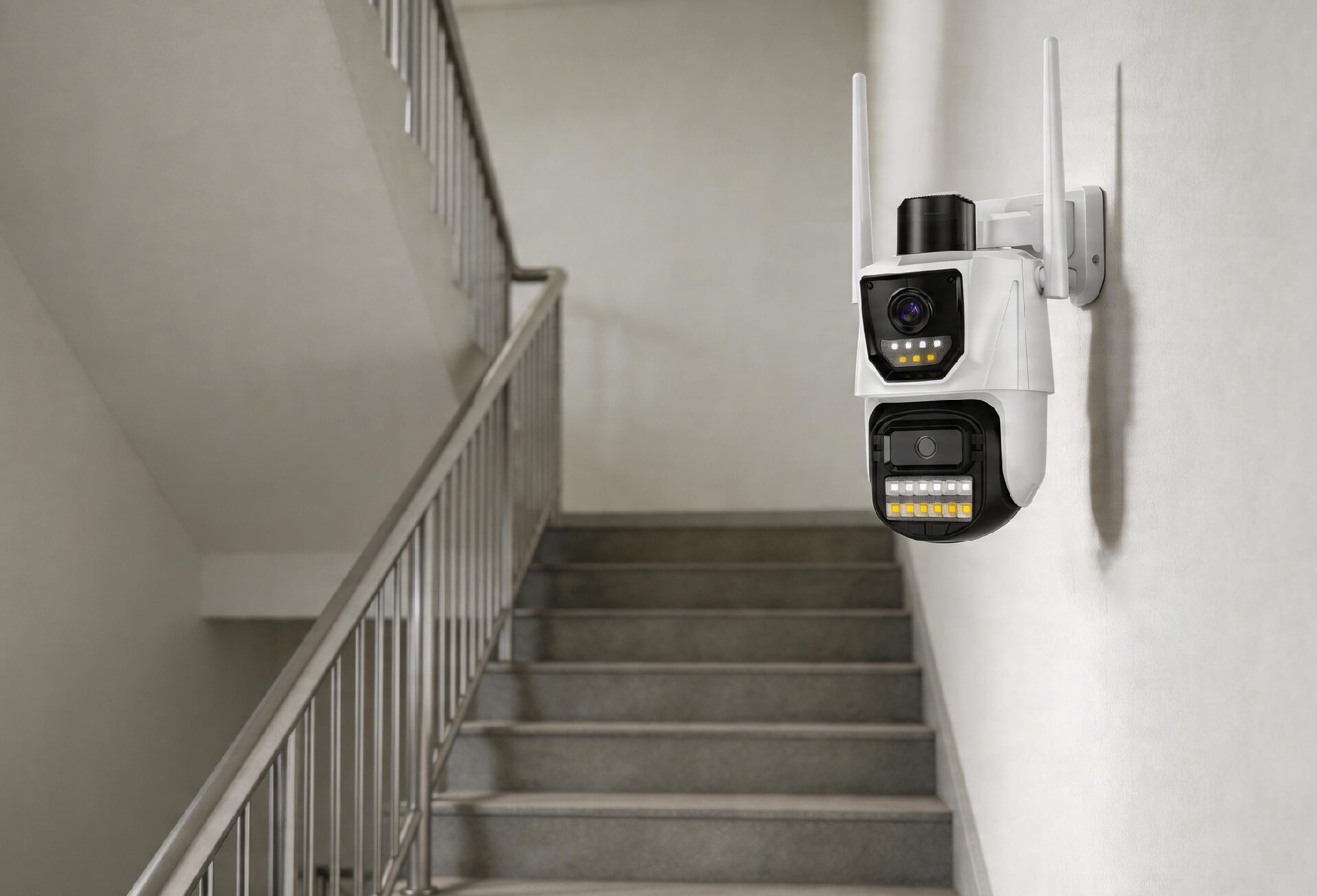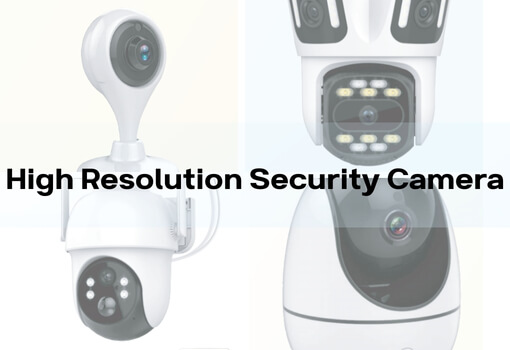
Infrared Security Camera System: Your Ultimate Guide to Night Vision Surveillance
Why Night Vision Matters for Security
Ensuring round-the-clock security for your home or property is essential. While traditional cameras are effective during daylight hours, they fall short when the sun goes down. Most security incidents occur after dark, making night vision a critical component of any modern security system.
An infrared security camera system is an ideal solution, offering 24/7 surveillance in complete darkness, making it perfect for indoor home environments where constant monitoring is necessary. Today’s users demand wireless connectivity, simple installation, and smart alerts, which makes infrared technology a key feature in modern security setups.
This guide will explain how infrared security cameras work, what makes them essential for night surveillance, and provide recommendations on the best systems to protect your home or business.
How Infrared Security Camera Systems Work
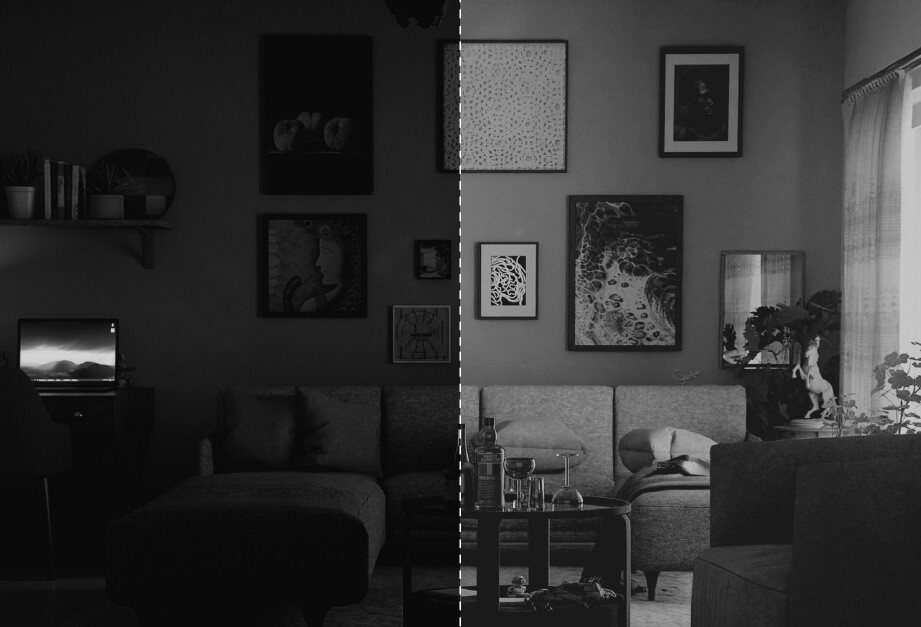
An infrared security camera system is designed to illuminate areas without visible light, using infrared LEDs. These cameras capture clear footage even in complete darkness, a key advantage over traditional cameras that rely on visible light.
How it Works:
- When the camera detects low light or motion, the infrared LEDs activate.
- The infrared light emitted is invisible to the human eye but can be detected by the camera’s sensor.
- The sensor captures the reflected infrared light and converts it into a clear, black-and-white image.
These systems are crucial for providing reliable surveillance in the dark, making them an essential component of nighttime security.
Infrared vs. Other Night Vision Technologies: What's the Difference?
Infrared (IR) Night Vision:
- Advantages: Works in complete darkness, cost-effective, and discreet.
- Disadvantages: Footage is black-and-white, missing some color details (e.g., clothing colors).
Color/Low-Light Night Vision (e.g., Starlight, Full-Color Technology):
- Advantages: Provides color images in low-light environments, offering more detail.
- Disadvantages: Requires some ambient light (e.g., moonlight, street lamps) or built-in spotlights, and may switch to infrared mode in complete darkness.
Thermal Imaging:
- Advantages: Detects heat signatures, useful for long-range detection even through smoke or dust.
- Disadvantages: Displays heat contours, but lacks clear visual details, and is more expensive.
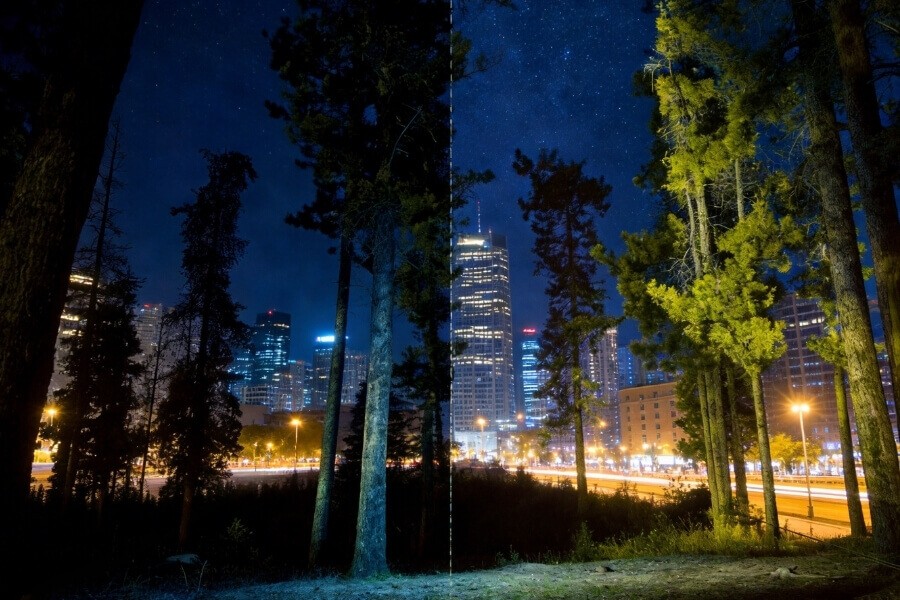
For most indoor home surveillance scenarios, a combination of infrared and full-color night vision (such as intelligent night vision modes) provides the best experience. It ensures clear footage, whether it's pitch dark or in a dimly lit corridor.
Key Factors That Affect Night Vision Performance
2.1 Technical Parameters
Infrared Illumination Range:
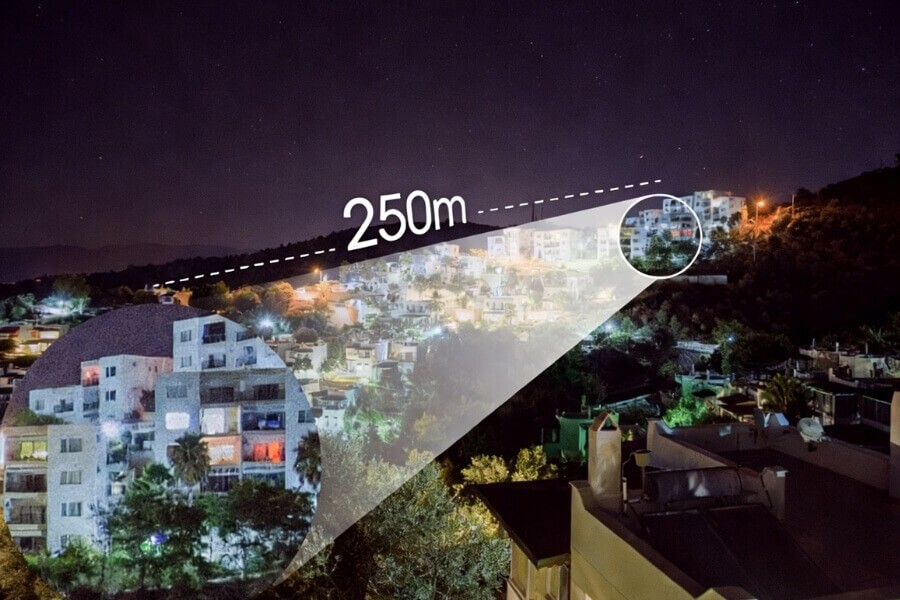
The IR range determines how far the camera can see in complete darkness. Standard home cameras typically have a range of 10-30 meters, with high-end models reaching 30-60 meters.
Image Sensors and Resolution:
- Larger sensors improve low-light performance.
- Resolution (e.g., 2MP/1080p, 3MP, 4MP) defines the clarity of the footage. Higher resolution provides more detail, especially when zoomed in.
Lens and Aperture:
- Focal length affects the field of view and object size. Shorter focal lengths offer wider coverage, while longer focal lengths capture distant objects more clearly.
- Aperture size (e.g., F1.6) impacts the amount of light entering the camera, making images brighter in low light.
IR-Cut Filters:
These filters ensure accurate color during the day and automatically switch to allow infrared light for night vision, ensuring consistent 24-hour image quality.
2.2 Environmental and Installation Factors
Ambient Light:
- Pure infrared works best in complete darkness, while color night vision may engage if there’s some light available (e.g., street lamps, moonlight).
Installation Position and Angle:
- Avoid positioning the camera directly in front of bright light sources (e.g., streetlights) or reflective surfaces that could create glare.
- Install at a height of 2.5–3 meters to ensure an unobstructed view and prevent tampering.
- Ensure the field of view is clear, without obstacles like trees or window frames.
For users seeking easy installation, opting for a wireless camera with pan and tilt capabilities lets you easily adjust angles via a mobile app and cover large areas with minimal setup.
How to Choose the Right Infrared Security System for Your Home
3.1 Define Your Needs and Scenarios
- Indoor vs. Outdoor: Indoor cameras prioritize aesthetics and privacy, while outdoor cameras must focus on weatherproofing and longer range.
- Coverage Area: Choose cameras with appropriate field of view (FOV) and night vision range for your space (e.g., small rooms or large living rooms).
Power and Network:
- Wireless Wi-Fi cameras offer flexibility in installation, especially for rented spaces or pre-renovated homes. Consider the ease of charging or wiring.
3.2 Core Features Checklist
- HD Quality (At Least 2MP): Ensures basic clarity for face and object identification.
- Reliable Infrared or Hybrid Night Vision: Guarantees visibility in low-light conditions.
- Intelligent Motion Detection and AI Person Recognition: Minimizes false alerts and ensures critical events are noticed.
- Two-Way Audio: Enables remote communication, useful for comforting family members or warning intruders.
- Convenient Storage and Playback: Local SD card storage provides privacy without monthly fees, while cloud storage offers backup and advanced alerting services.
- User-Friendly Mobile App: Enables real-time viewing, push notifications, and device management.
For a seamless smart indoor monitoring system, integrating these features into an easy-to-use app makes the experience as simple as possible.
Best Practices for Installation, Use, and Maintenance
4.1 Installation Setup
- Plan key areas for surveillance (e.g., entrances, living rooms, corridors, children's/elderly rooms).
- Power the camera and connect to home Wi-Fi (prefer 2.4GHz for better wall penetration).
- Use the pan and tilt functions via the app to adjust to the best angle.
- Set activity zones, sensitivity, and enable person recognition for accurate alerts.
4.2 Daily Use and Maintenance
- Regularly check footage via the app and test alarm functionality.
- Clean the lens every 1-2 months to ensure clear images.
- Update firmware and app software for improved performance and security.
- For battery-powered models, keep an eye on battery life indicators.
Future Trends in Night Vision Technology
5.1 Technology Trends
- AI Integration: More accurate person recognition and behavior analysis (e.g., fall detection).
- Higher Resolution Low-Light Imaging: Advancements in sensor technology will make “daylight-like” images a standard feature.
- Seamless Smart Home Integration: Future systems will work together with lights, locks, and voice assistants for proactive security ecosystems.
5.2 Conclusion
An infrared security camera system is central to an easy and reliable home security solution. When choosing one, consider technical specifications, installation needs, and intelligent features. The goal is to find a dependable, hassle-free, and smart security system that keeps you informed of your home’s safety, no matter where you are.
FAQ
Can infrared cameras really see in total darkness?
Yes, infrared cameras don’t rely on any ambient light, using their own emitted infrared light to create clear black-and-white images even in complete darkness.
Should I choose infrared or color night vision?
It depends on your priorities. If you need reliable monitoring in total darkness and cost-effectiveness, go for infrared. If you prefer color details at night (helpful for recognizing clothing, vehicles), choose models with full-color night vision or smart night vision modes.
Are wireless Wi-Fi cameras stable? Will they drop connection?
Yes, they are stable as long as your Wi-Fi signal is strong. For critical areas, ensure the camera is placed in a zone with consistent coverage and consider dual-band Wi-Fi for better connectivity.
How far can a typical home camera see at night?
Standard indoor cameras typically have an infrared range of 5-15 meters, enough for most rooms or hallways. Always check the camera’s IR illumination distance in the product specs.
Do I need to pay for cloud storage?
Not necessarily. Many cameras offer local MicroSD card storage, which cycles recordings without monthly fees and ensures higher privacy. Cloud storage is optional for extra backup and advanced features.
How does an infrared night vision camera work?
Infrared night vision cameras use infrared LEDs to illuminate dark areas. The camera’s sensor captures the reflected infrared light, converting it into clear black-and-white footage even in total darkness.