Hotel Security Camera Systems — What Hotels Need and What Guests Should Know
Why Hotel Security Cameras Matter Today
Hotels operate continuously and manage multiple public and restricted areas. Entrances, parking zones, service corridors, and reception areas present different levels of exposure.
A hotel security camera system supports incident prevention, dispute resolution, operational oversight, and regulatory compliance.
When properly designed, hotel security cameras function as infrastructure rather than standalone devices.
What Hotel Security Cameras Are Designed to Do
How Cameras Help Prevent Crime
Visible cameras at entrances and parking lots discourage opportunistic behavior. Clear signage reinforces deterrence.
Coverage should prioritize main entrances, vehicle access points, cash handling areas, and after-hours entry zones.
The objective is prevention through visibility, not excessive monitoring.
24/7 Monitoring in Public Areas
Hotels operate around the clock. Continuous recording ensures activities in public areas are documented at all times.
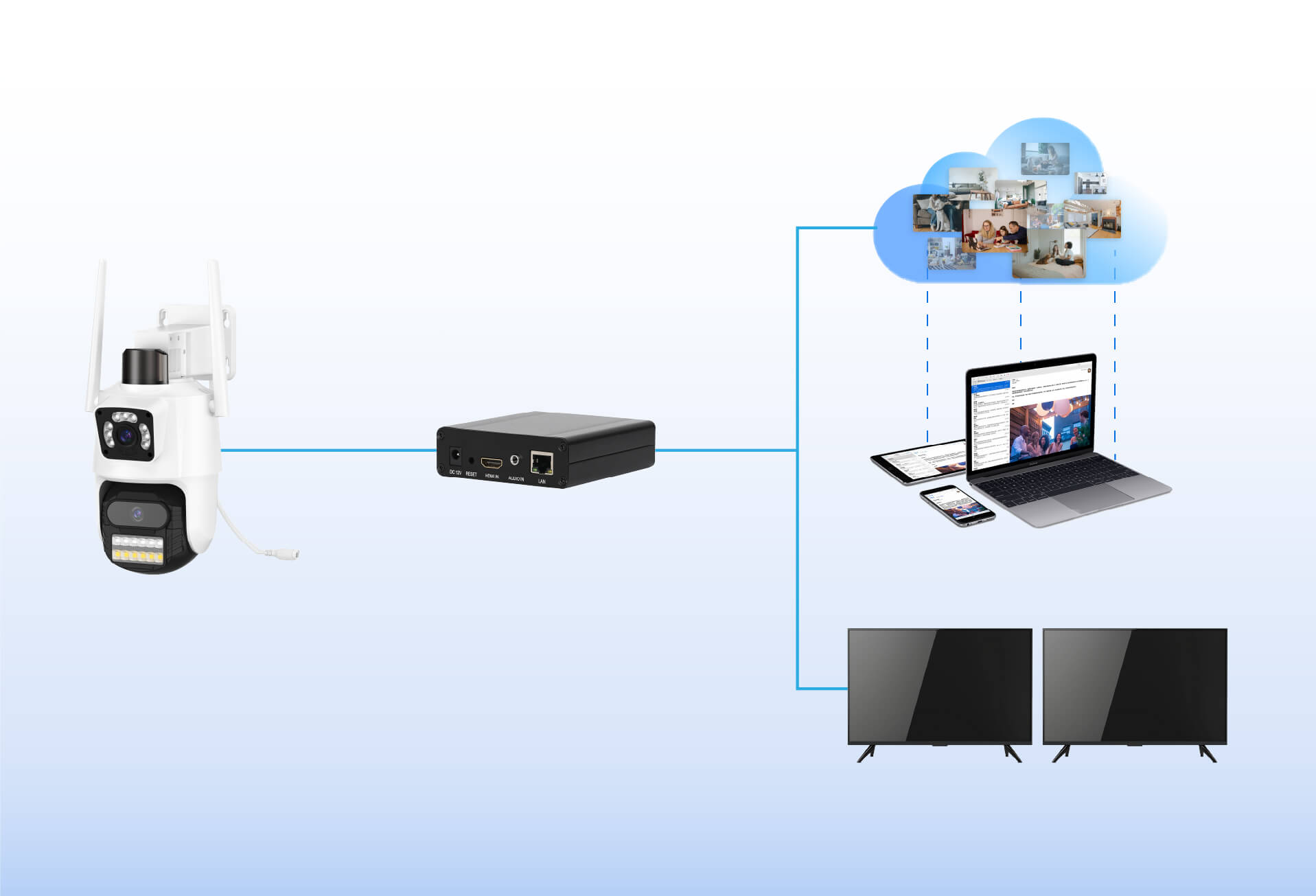
Commercial IP-based hotel security cameras allow remote viewing, multi-user access control, and indexed playback.
This structure reduces response time during incidents.
How Video Footage Supports Investigations
Video documentation supports insurance claims, liability reviews, and law enforcement requests.
Higher-resolution commercial cameras provide clearer identification at entrances and parking areas.
Critical locations often benefit from 4MP or higher resolution for better recognition accuracy.
Using Cameras to Support Daily Operations
Modern hotel security camera systems may include analytics such as human detection, vehicle detection, line-crossing alerts, and occupancy counting.
Lobby traffic data can inform staffing adjustments. After-hours alerts can highlight unexpected corridor activity.
These tools reduce manual monitoring while improving oversight.
Common Camera Types Used in Hotels
Bullet Cameras
Often installed outdoors or along long corridors. Their visible form factor reinforces deterrence.
Dome or Turret Cameras
Common in indoor public areas. Their compact design reduces tampering and blends into ceilings.
PTZ Cameras
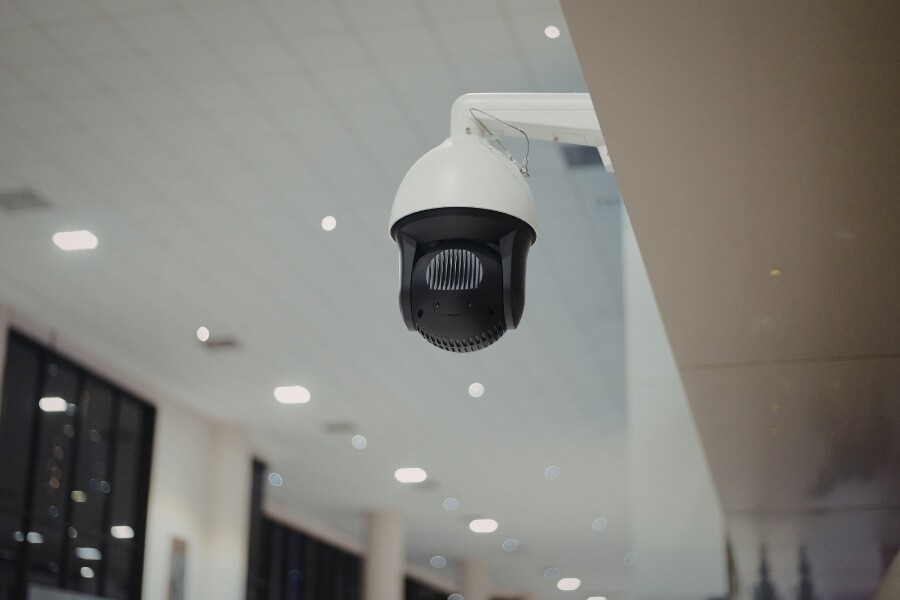
Suitable for large open spaces such as parking lots or hotel atriums. Operators can adjust viewing angles remotely.
Multi-Lens Wide-Area Cameras
Used in expansive zones such as loading docks or large parking areas. They reduce blind spots while maintaining coverage continuity.
Selecting camera types based on zone function improves system efficiency.
Key Technical Factors in a Hotel Security Camera System
Resolution Planning by Area
Resolution should match operational risk.
1080p may be sufficient for standard hallways. Entrances and vehicle access points often require 4MP or higher.
Wide-area coverage cameras may require higher resolution to preserve clarity across longer distances.
Field of View and Mounting Strategy
Wider viewing angles reduce camera quantity but may limit detail at distance.
Mounting height and camera angle directly affect usable identification quality.
Proper placement often matters more than maximum resolution.
Low-Light and Wide Dynamic Range
Entrance cameras must handle lighting contrast between indoor and outdoor environments.
Wide dynamic range balances exposure. Infrared capability maintains visibility at night.
Storage and Retention Planning
A hotel security camera system must include adequate storage planning.
Retention typically ranges from 30 to 90 days depending on regulations and policy.
Storage requirements depend on camera count, resolution, frame rate, and recording schedule.
Commercial Network Video Recorders with RAID redundancy improve data reliability.
Network and Power Infrastructure
PoE is standard for commercial deployments. It provides stable power and data through a single Ethernet cable.
Structured cabling improves long-term reliability compared to fully wireless systems.
Network segmentation protects hotel security cameras from unauthorized access.
Where Hotels Can and Cannot Install Cameras
Public and Operational Areas
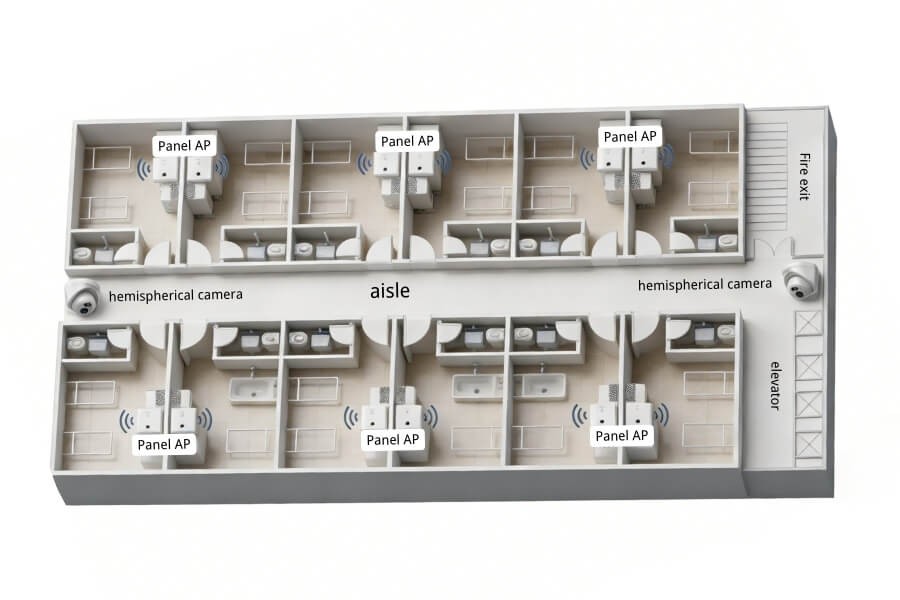
Hotel security cameras are commonly installed in lobbies, reception desks, elevator entrances, hallways, parking areas, restaurants, conference rooms, and staff corridors.
Placement should reflect operational risk exposure.
Private Areas
Cameras must never be installed in guest rooms, bathrooms, or changing areas.
Respecting privacy boundaries is essential for compliance and guest trust.
Privacy and Compliance Considerations
Hotels should clearly inform guests that public areas are monitored.
Audio recording is often disabled to comply with privacy regulations.
Access to recorded footage should be restricted to authorized personnel. Default credentials must be changed during installation. Firmware updates should be maintained.
A hotel security camera system should be treated as part of the property’s IT infrastructure.
How Hotel Owners Select the Right System
Assess the Property Layout
Start with a structured risk map.
Identify entry points, high-traffic areas, cash handling zones, service corridors, and perimeter exposure.
Camera quantity should follow layout logic rather than estimation.
Define System Requirements
When selecting a hotel security camera system, evaluate resolution needs, field of view, storage capacity, remote management, cybersecurity safeguards, and integration capability.
For example, a professional commercial surveillance camera may support entrance monitoring. A multi-lens wide-area camera may reduce blind spots in parking zones.
Devices should be selected as part of a deployment strategy rather than individually.
Plan Professional Installation
Outdoor devices should meet at least IP65 weather resistance standards. Vandal-resistant housing may be necessary in exposed areas.
Cameras should capture approaching faces rather than side or rear profiles.
Installation planning directly affects usable footage quality.
Guest Privacy Concerns and Practical Awareness
Legitimate hotels do not install cameras in private guest rooms.
Public-area hotel security cameras are visible and properly disclosed.
If guests wish to confirm privacy, they may inspect unusual objects, use a flashlight to detect reflections, or review connected devices on the local network.
Any concern should be reported to hotel management immediately.
Transparency supports both safety and trust.
FAQ
Are cameras allowed in hotel rooms?
No. Hotel security cameras are limited to public and operational areas. Installing cameras in guest rooms or private spaces violates privacy laws in most jurisdictions.
How long do hotels keep security footage?
Most hotel security camera systems retain footage for 30 to 90 days. Retention periods depend on local regulations, insurance requirements, and internal policy standards.
Do hotel cameras operate continuously?
Commercial hotel security cameras typically record 24/7. Some systems use motion indexing to simplify playback while maintaining continuous recording.
Can hotel security cameras identify faces or license plates?
High-resolution commercial cameras combined with analytic software can support facial or license plate identification at entrances and vehicle access points.
Is audio recording used in hotels?
Audio recording is often disabled in hotel security camera systems due to privacy regulations. Laws governing audio capture vary by jurisdiction.
What features should a hotel security camera system include?
A practical system should include appropriate resolution planning, reliable storage, secure remote access, stable low-light performance, and structured network protection.
Final Considerations
A hotel security camera system is an operational infrastructure component. It supports safety, documentation, and structured oversight.
Effective deployment requires thoughtful planning, proper camera selection, secure storage design, and network protection.
When implemented correctly, hotel security cameras protect people, reduce risk, and support long-term operational stability.
RusinVision provides commercial and residential security camera solutions designed for structured deployment and practical real-world integration.