Can Tenants Install Security Cameras Inside or Outside Apartments
Renters often look for ways to improve safety. Security cameras are a common solution.
However, rental properties come with additional rules. Lease terms, privacy laws, and shared spaces all affect what you can do.
This guide explains what tenants can and cannot do, and how to choose a setup that works without creating disputes.
Can Tenants Install Security Cameras — Quick Answer
- Inside the apartment Usually allowed if you do not violate privacy or damage the property
- Outside the apartment Usually restricted because these areas are not under tenant control
- Before installing Check your lease, confirm local laws, and consider landlord approval
If you follow these steps, most legal and practical issues can be avoided.
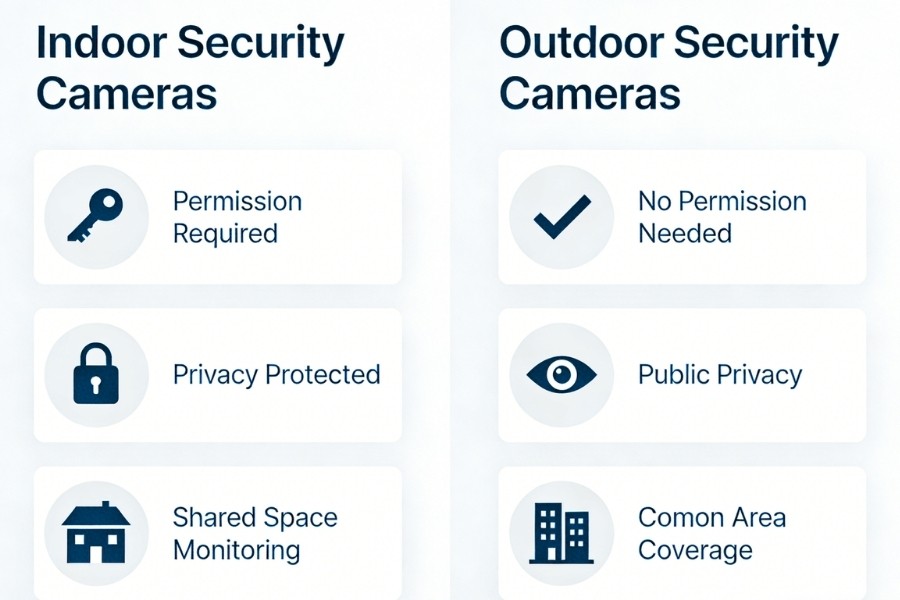
What Rules Decide If You Can Install a Camera
Lease Agreement Comes First
Your lease defines what changes are allowed.
- Some leases allow non-permanent devices
- Others require approval for any installation
- Physical modifications may result in repair costs or deposit deductions
Review your lease before buying equipment. If unclear, ask the landlord in writing.
Privacy Laws You Must Follow
Privacy rules define where cameras can be used.
- Do not record areas where people expect privacy
- Avoid pointing cameras at neighboring doors or windows
- Audio recording may require consent depending on your state
Adjust the camera angle before use and disable audio recording if local laws require consent.
Who Controls the Space
Control of the area determines your rights.
- Inside your unit → you can usually install devices
- Hallways and shared areas → controlled by property management
Only install cameras in spaces you directly control unless permission is granted.
Can You Install Cameras Inside an Apartment
Indoor security cameras are usually the safest option for tenants.
When It Is Allowed
- Monitoring your personal space
- Watching pets or checking for unauthorized entry
- No interference with shared spaces or other tenants
What to Avoid
- Recording roommates without consent
- Capturing shared areas in multi-tenant apartments
- Installing devices that require drilling without approval
Practical Setup Options
Choose solutions that do not modify the property.
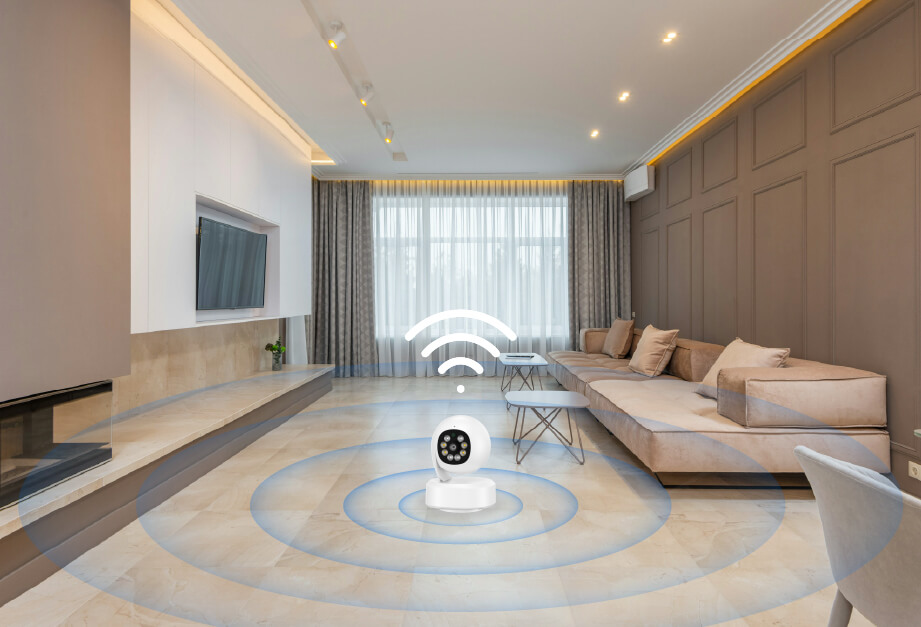
- Wireless WiFi cameras
- Plug-and-play devices
- Freestanding or adhesive placement
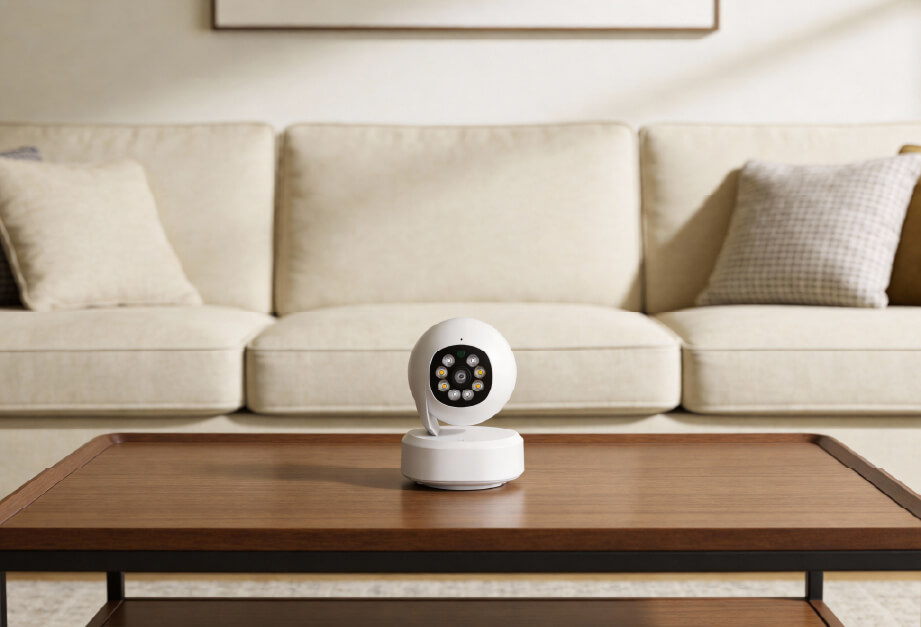
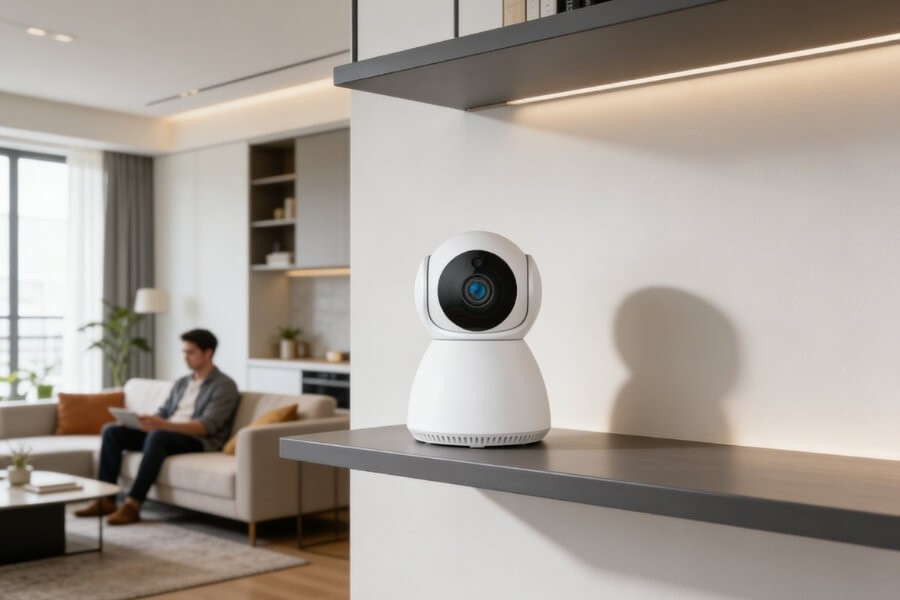
Place the camera on a shelf, desk, or cabinet facing your entry or key area.
For example, a compact indoor WiFi camera designed for flexible placement can be set up in minutes without tools. Some options, such as RusinVision Home Vision Core, are built for this type of non-invasive use.
This approach reduces both legal risk and installation effort.
Can You Install Cameras Outside Your Apartment
Outdoor installation is more restricted.
Why It Is Limited
- These areas are shared with other tenants
- You do not control walls, ceilings, or structures
- Cameras may capture other people’s activities
When It May Be Allowed
- You have written permission from the landlord
- The camera only covers your door area
- The viewing angle avoids other units
How to Request Approval
A clear request improves your chances.
Include:
- Device type — emphasize no drilling or permanent changes
- Placement — explain exactly where it will face
- Purpose — such as preventing package theft
- Removal plan — confirm restoration after moving out
Keep the request simple and focused on safety, not surveillance.
What to Do If You Cannot Install Cameras Outside
If outdoor cameras are not allowed, there are practical alternatives.
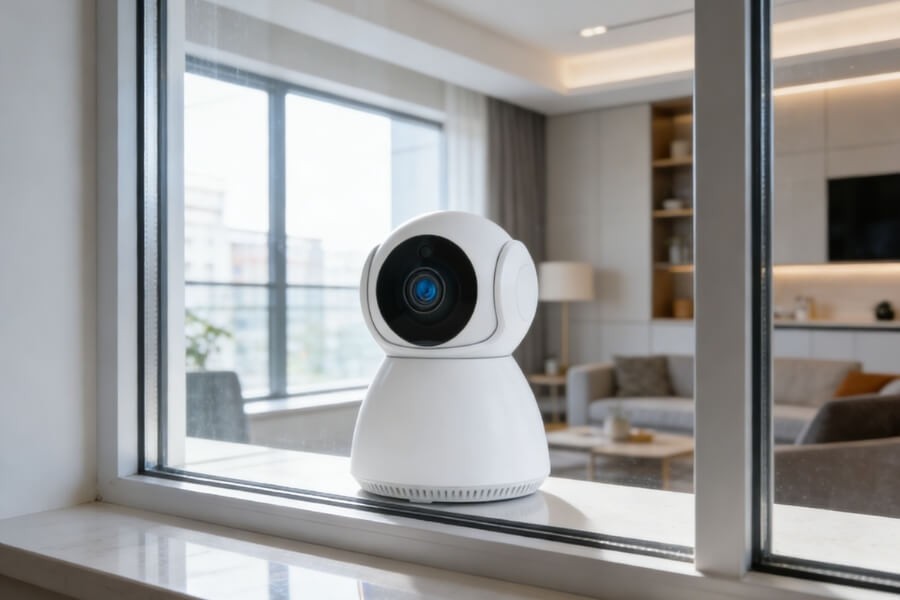
Window-Facing Monitoring
- Place a camera indoors facing outside through a window
- Avoids installing anything in shared areas
Position the camera close to the glass and adjust for reflections.
A small camera with flexible mounting or magnetic support can make positioning easier. Some models are designed for this type of setup, including options like RusinVision Home Vision Magnet.
Entry-Focused Monitoring
- Place a camera inside facing your front door
- Detects movement and entry attempts
Use motion alerts to monitor activity without recording shared spaces.
Alarm and Sensor Systems
- Door and window sensors
- Motion detection alerts
- Mobile notifications
Use sensors if video recording is restricted but you still need alerts.
Why Tenants Use Security Cameras in Apartments
Most tenants install cameras for practical reasons.
- Packages missing from the door
- Unexpected visitors or repeated knocking
- Concerns about unauthorized entry
- Shared living environments
- Attempted break-ins
Identify your main concern first, then choose a setup that directly addresses it.
How to Check for Hidden Cameras in a Rental
If you suspect unauthorized surveillance, take simple steps to check.
Basic Inspection Steps
- Look for unusual holes or small devices
- Check common hiding spots such as smoke detectors or outlets
- Turn off lights and scan for reflections
Network Check
- Review devices connected to your WiFi
- Identify unknown connections
Additional Tools
- Use mobile apps to scan for cameras
- Consider a radio frequency detector
If you find a suspicious device, do not touch it. Contact local authorities.
Can Landlords Install Security Cameras
Landlords have broader rights in shared areas.
Where Cameras Are Allowed
- Entrances
- Hallways
- Parking areas
- Shared facilities
What They Cannot Do
- Record inside private units
- Point cameras into windows or interiors
- Install hidden cameras in private spaces
Tenants should be informed about any surveillance in shared areas.
FAQ
Do tenants need permission to install security cameras?
Indoor cameras usually do not require approval if they are non-invasive and do not modify the property. However, outdoor cameras often require written permission because they involve shared spaces. Always review your lease and confirm local regulations before installation.
Can I place a camera outside my apartment door?
In most cases, tenants cannot install cameras in hallways or outside doors without approval. These areas are considered shared spaces. Even with permission, the camera must not capture neighboring units or violate privacy expectations.
Can I record other tenants?
Recording other tenants without consent is generally not allowed, especially in areas where privacy is expected. Audio recording may also be restricted depending on local laws. To avoid legal issues, ensure your camera only monitors your private space.
What should I do if a neighbor’s camera affects my privacy?
Start by speaking with your neighbor and explaining your concern. If the issue continues, report it to property management. If necessary, seek legal advice or contact local authorities to address potential privacy violations.
Will I be responsible for damage caused by installation?
Yes. Tenants are typically responsible for any damage caused during installation. Drilling, wiring, or modifying surfaces may lead to repair costs or loss of deposit. Using non-invasive, wireless devices helps reduce this risk.
Final Thoughts for Tenants
Tenants can install security cameras, but only within clear limits.
- Indoor use is usually allowed with proper placement
- Outdoor installation requires permission
- Privacy and lease terms must always be respected
Wireless, non-invasive setups are often the most practical choice. They reduce installation risk and make it easier to adapt when moving.
If you are unsure, review your lease and confirm with your landlord before installing any system.