How to Tell if a Smoke Detector Is a Hidden Camera
Why Smoke Detectors Are Often Questioned as Hidden Cameras
Concerns about personal privacy have increased as surveillance devices become smaller and easier to conceal. In unfamiliar environments such as hotels, vacation rentals, or short-term apartments, people often question whether everyday objects could be misused for monitoring.
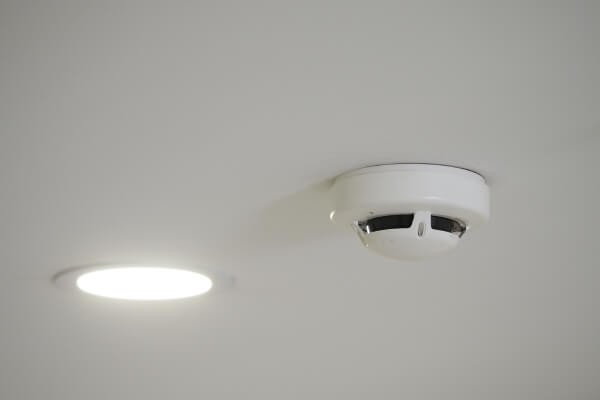
Smoke detectors are frequently mentioned because they are ceiling-mounted, centrally located, and able to overlook large areas. These characteristics make them a logical place to question when assessing room privacy.
This guide explains how to recognize warning signs, apply practical detection methods, and respond appropriately if a device appears suspicious. The focus is awareness and clarity, not alarm.
Common Signs a Smoke Detector Could Be a Hidden Camera
Indicator Lights That Do Not Look Normal
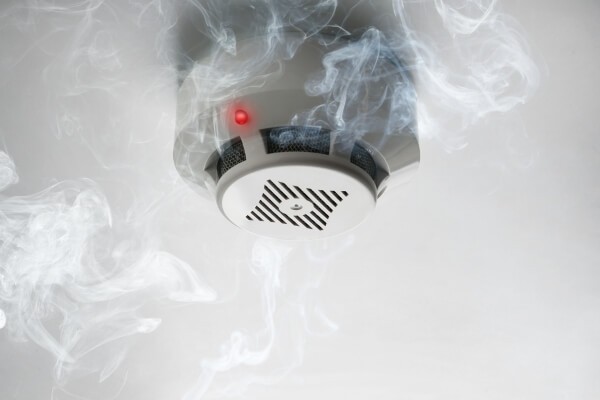
Most smoke detectors use a small red light that blinks at regular intervals, often once every few seconds. This pattern indicates normal operation.
A device may be suspicious if the light does not blink, flashes irregularly, or appears in an unusual location. Any irregular behavior should be considered together with other indicators.
Visual Details That Look Out of Place
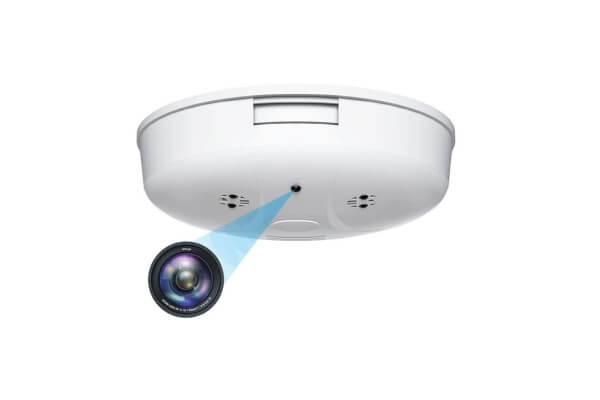
Standard smoke detectors have a sealed exterior with limited openings for sensors. They do not contain exposed glass or reflective surfaces.
Extra holes, visible lens-like elements, or protrusions that break the uniform surface may suggest added components. Lens-style reflections are especially worth noting.
Wiring That Does Not Match Typical Smoke Detector Design
Hardwired smoke detectors usually contain a small set of uniform wires. Battery-powered models typically have no external wiring.
A device that relies on a single power cable or includes unexpected wiring may require closer examination.
Placement That Does Not Match Normal Installation
Smoke detectors are generally installed near the center of a ceiling for effective smoke detection. Placement near beds, bathrooms, or walls is uncommon.
If a device appears positioned to observe activity rather than detect smoke, this context matters.
How to Check a Smoke Detector for a Hidden Camera
Method 1: Inspect the Surface With a Flashlight
Use a bright flashlight and slowly scan the surface of the device. Look for small reflections that resemble a camera lens.
Focus on holes, raised areas, or anything that disrupts the smooth exterior.
Method 2: Use a Phone Camera to Check for Infrared Light
Turn off room lights to create a dark environment. Open your phone’s camera and point it toward the smoke detector.
White or purple dots on the screen may indicate infrared light used by some cameras. This method does not detect all devices.
Method 3: Scan for Wireless Signals
Some hidden cameras transmit data over Wi-Fi or Bluetooth. An RF detector can help identify active signals near the device.
A detected signal does not confirm a camera, but it suggests electronic activity.
Method 4: Observe Phone Call Interference
Stand near the device and make a phone call. Repeated static or signal disruption in that specific area may indicate nearby electronics.
This method should only support other checks.
Method 5: Use a Detection App With Caution
Some apps scan networks or analyze infrared and reflection patterns. They can assist quick checks.
Results should always be verified using physical inspection to avoid false positives.
Method 6: Test Whether the Smoke Detector Functions Properly
Press the test button on the device. A working smoke detector should emit a loud alarm.
You may also test with light smoke, such as from an extinguished candle. A lack of response is a concern.
Method 7: Internal Inspection Only When Permitted
In properties you own, removing the cover can help confirm whether extra components are present. Look for lenses, batteries, or circuit boards unrelated to smoke detection.
In hotels or rentals, internal inspection should only be done with management approval.
Other Common Places Hidden Cameras Are Found
Hidden cameras are often placed in objects that naturally blend into a room. These locations reduce suspicion and provide clear viewing angles.
Common examples include wall outlets, clocks, picture frames, routers, televisions, and air vents. Bathrooms require special attention, including mirrors, hooks, exhaust fans, and shelving.
Expanding the inspection beyond a single object improves detection accuracy.
What to Do If You Discover a Hidden Camera
Remain calm and avoid touching or disabling the device. Interfering may damage evidence or interrupt data records.
Document the situation with clear photos or video showing placement and visible details. Report the issue promptly to property management or local authorities.
If necessary, temporarily cover the suspected lens. If you feel unsafe, request a room change or leave the property.
FAQ
Does a blinking red light always mean there is a camera?
No. Most smoke detectors use a blinking red light to indicate normal operation. A blinking light alone does not signal a camera. Light behavior, placement, device design, and context must be evaluated together before drawing conclusions.
Can a phone really detect hidden cameras?
A phone can help identify some cameras that use infrared light. In dark conditions, phone cameras may reveal small white or purple points. This method does not detect all cameras and should be combined with visual inspection.
What is the fastest way to check if monitoring is occurring?
Begin with a visual inspection of smoke detectors and objects facing private areas. Use a flashlight for lens reflections and a phone camera for infrared light. If uncertainty remains, an RF scan can provide additional insight.
How can hotel guests reduce hidden camera risk?
Inspect high-risk areas immediately after arrival, including smoke detectors and bathrooms. Perform a quick visual check and phone-based infrared scan. Early inspection helps identify concerns before settling into the room.
How can you tell a real smoke detector from a disguised camera?
A real smoke detector has a sealed design, predictable light behavior, standard wiring, and central ceiling placement. Disguised devices may show unusual holes, irregular lights, or odd positioning. Context matters more than any single sign.
Should power be disconnected if a camera is found?
No. Disconnecting power can erase data or interfere with evidence. Avoid touching the device. Document its condition and report it so the situation can be handled properly and legally.
Conclusion: Awareness Without Alarm
Hidden camera technology continues to evolve, making basic detection awareness increasingly important. Combining visual checks, simple tools, and functional testing provides a more reliable assessment than relying on one method.
In legitimate residential or commercial monitoring, transparency and disclosure are the key differences. Systems used for safety are openly installed and clearly documented, rather than concealed. Solutions developed by companies such as RusinVision emphasize responsible deployment in non-private environments.
Staying informed and methodical helps protect privacy without unnecessary concern.