Police Requests Security Camera Footage: What You Need to Know
Security cameras are now common in both homes and businesses. As law enforcement requests for footage increase, it’s important to understand when police can legally ask for your footage and how to respond.
Understanding Your Rights: When Do Police Need Permission?
Knowing the legal boundaries is the first step to handling any footage request.
Basic Principle: A Warrant or Court Order Is Required
In most cases, police do not have the authority to directly seize or access the footage from your private security system without your consent. The Fourth Amendment protects citizens' property from unreasonable searches and seizures by the government without a valid warrant.
Key Exceptions:
- Public Areas: If your camera captures footage of public spaces, where there is no reasonable expectation of privacy (e.g., a public street), the police may be able to access this footage without a warrant.
- Emergency Situations: If the police have reasonable grounds to believe that the footage is essential to address an ongoing emergency (e.g., a life-threatening situation), they can access it immediately, even without a warrant, under the exigent circumstances exception.
Common Situations Where Police May Request Footage
Police requests for security footage typically arise from the following legitimate investigation purposes. Understanding these contexts will help you assess the validity of the request:
Criminal Investigations
If your camera captured footage of a crime, the police may formally request the relevant footage as part of their investigation to identify suspects and gather evidence.
Incidents Near Your Property
Even if no crime directly occurred on your property, police may want to review footage from surrounding areas to investigate suspicious incidents or to follow up on a complaint.
Public Safety Concerns
Police may request footage related to public welfare, such as reviewing video footage after a traffic accident or gathering evidence of hazardous conditions at a public intersection.
Emergency Responses
In cases of an ongoing emergency or disaster (e.g., break-ins, chases, missing persons), police may need immediate access to security camera feeds to gather critical information, which can be done without a warrant.
Legal Orders
If the police present a valid warrant, court order, or judicial subpoena, you are generally required by law to provide the footage as part of the formal legal or investigative process.

How to Respond When Police Request Your Security Footage
When law enforcement officers approach you to request footage from your home or business security cameras, here’s what you should do to ensure a proper response while protecting your rights:
Verify Identity and Legitimacy of the Request:
- Politely ask to see the officer’s credentials and badge.
- Inquire about the nature of the request—whether it is voluntary or based on legal authority. If they claim to have a warrant, ask to see the original documents.
Clarify the Request’s Scope:
- Ask for specifics about the footage they need, including the time, location, and nature of the event. This helps you provide the exact clips they require without handing over unnecessary footage.
Consult Legal Advice if Unsure:
- If you have any doubts regarding the request’s legality or scope, it’s perfectly reasonable to ask for time to consult with an attorney. They can provide you with advice on the proper steps and your rights.
Only Provide the Necessary Footage:
- Even if required to cooperate, provide only the specific footage that is relevant to the incident or investigation. This helps maintain privacy for other unrelated footage recorded by your system.
Maintain a Copy of the Footage:
- Before providing footage to law enforcement, make sure to keep a backup copy for your own records. This ensures that you can track what was provided in case of any future issues or questions.
Document the Request:
- Record details such as the officer’s name, badge number, department, contact information, case number, and the footage you provide. Keep a written record of all communications regarding the request.
Follow Up Professionally:
- Once the request is fulfilled, it’s acceptable to contact the police department to follow up on the status of the investigation. This keeps you informed about the outcome and your cooperation.
Choosing the Right Security Camera for Legal Compliance
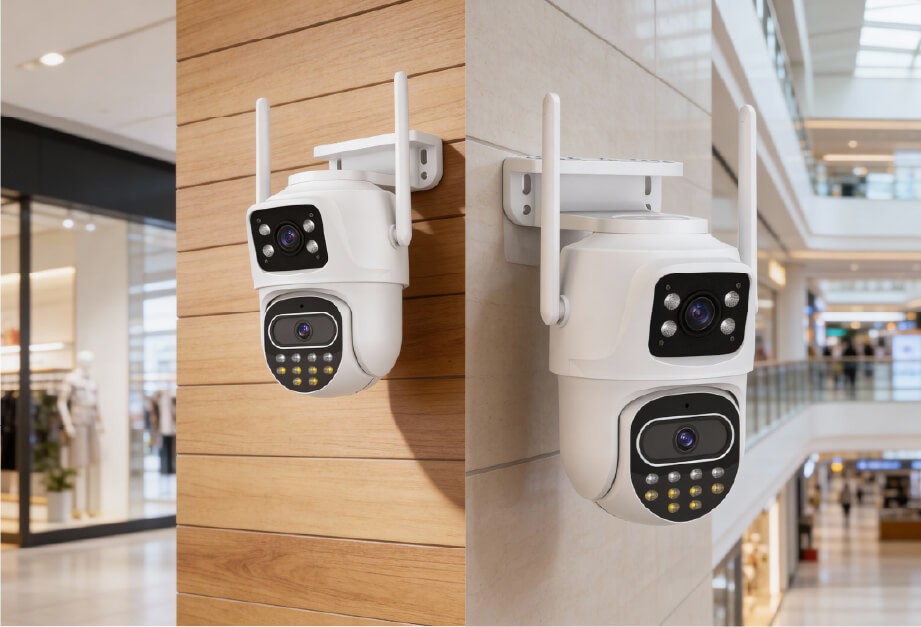
When it comes to responding to police requests for security footage, having the right camera system in place can make all the difference. For example, RusinVision offers high-performance security cameras that are designed to provide clear, reliable footage when it matters most. These cameras are equipped with features like:
- High-Resolution Footage (2MP/3MP/4MP): Ensuring that critical details like faces, vehicle license plates, and other evidence are easily identifiable.
- Reliable Storage Options: Many of our systems support local storage (e.g., SD cards), so you can easily back up footage before it’s overwritten, ensuring the data is preserved even after a request.
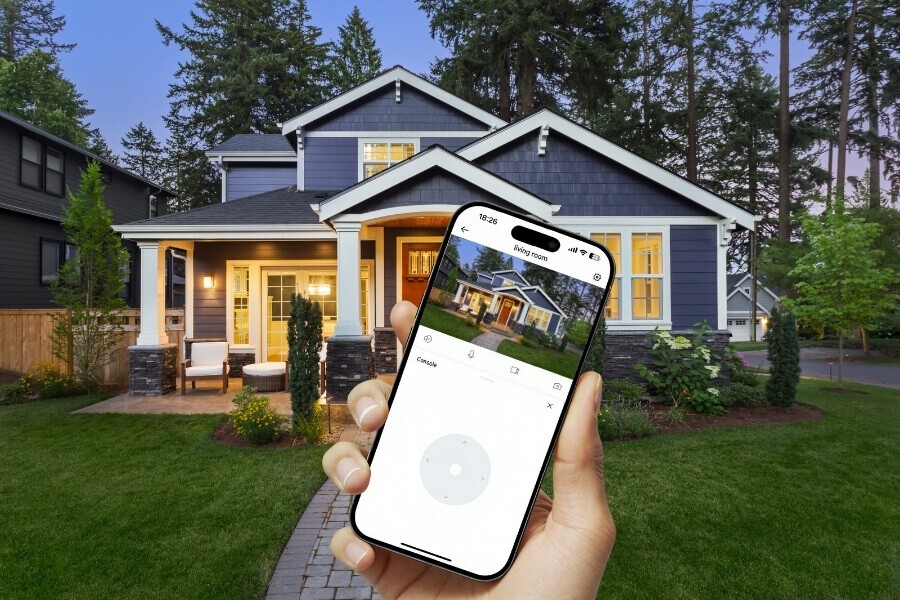
- Simple Retrieval and Export: Cameras with cloud storage or easy-to-use apps allow for quick search and export of specific clips based on time, event, or motion detection, making it easier to respond to legal requests efficiently and effectively.
Having the right tools not only makes compliance easier but also ensures that your footage is clear and useful for legal purposes. For example, if you are using a RusinVision system, you can be confident that your footage will be clear and accessible, even in complex legal situations.
Privacy Concerns and Your Right to Refuse
While it is important to cooperate with law enforcement, balancing public safety with privacy concerns is essential.
Your Neighbor’s Privacy:
If your cameras capture footage of public areas or neighbors, consider how sharing the footage could impact the privacy of others. Be mindful of any potential privacy rights that could be violated when releasing this footage.
Data Privacy Laws:
Local laws, such as GDPR in Europe, may impose restrictions on how surveillance footage can be shared. Before providing footage, make sure you are in compliance with local data privacy laws.
Your Right to Refuse:
You are not obligated to provide footage unless there is a legitimate legal request (e.g., a warrant or subpoena). If the police request footage without a warrant or court order, you can refuse. However, refusal could potentially hinder an investigation.
How to Request Security Footage from Other Businesses or Stores
If you need to request footage from a store or business, be aware of the following:
- Businesses are generally not legally required to provide you with their security footage.
- You can formally request footage by submitting a written request detailing the incident, time, and location. Ensure to include your contact information and explain why the footage is necessary.
The most effective way to request footage is by contacting the store manager directly. Some stores may allow you to view the relevant footage on-site, but copying the footage may not be permitted.
How Long Is Security Footage Retained?
How long security footage is retained depends on your storage system:
- Cloud Storage: Footage is typically stored for weeks to months, depending on your subscription plan.
- Local Storage (e.g., SD cards): Local storage systems often overwrite old footage once the storage is full. It’s critical to back up footage immediately after a request to avoid losing important evidence.
Value of Security Footage as Evidence:
High-quality, continuous footage is a powerful tool in investigations and can serve as direct evidence in court. Investing in reliable security systems with high-definition video and AI features, like motion detection, can make sure the footage you provide is of high value when needed most.
FAQ
Can police take my security footage without my consent?
No, police typically need your consent, a warrant, or a subpoena to access your footage unless there are emergency circumstances.
Do I have to provide footage if my camera records public areas?
Not necessarily. You are not required to provide footage just because it records public areas, but the police may request it if it helps their investigation.
How can I request security footage from a store?
You can submit a formal written request, but businesses are not legally obligated to share footage. It’s best to contact the store manager for assistance.
How long is security footage usually kept?
Cloud-based systems store footage for weeks or months. Local storage systems may overwrite footage when the storage is full, so back up important footage promptly.
What type of camera should I use to cooperate with investigations?
Choose a camera with HD quality (e.g., 2MP/3MP), reliable storage options (such as local SD cards), and easy search functionality via a mobile app to quickly locate and export footage when needed.
Can I get CCTV footage from 2 years ago?
It depends on the storage system. Footage on local storage may have been overwritten by now, while cloud storage may retain it if still within the retention period of your plan.
Conclusion
Understanding your rights and following the proper steps when the police request security footage is vital. By being informed and cautious, you can protect your privacy while also contributing to public safety. A reliable and user-friendly security camera system will not only help protect your home but also ensure you can respond to law enforcement requests efficiently and responsibly. Whether you're considering upgrading to a high-resolution RusinVision camera or ensuring your existing system is compliant, having the right tools in place makes all the difference.