The Complete Guide to Two-Way Audio Security Cameras
What Is a Two-Way Audio Security Camera and How Does It Work
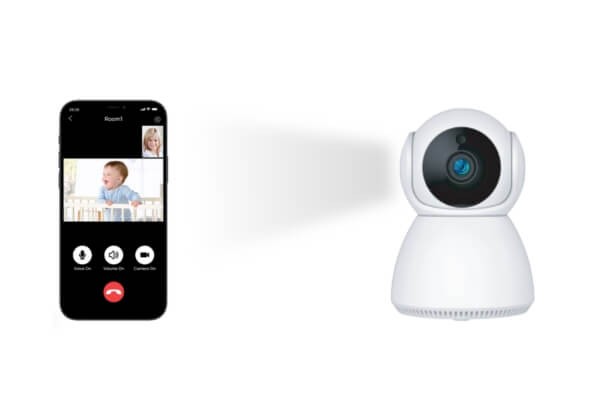
A two-way audio security camera is a smart surveillance device with a built-in microphone and speaker. It allows users to listen and speak in real time through a connected app or monitoring platform.
Unlike cameras that only record sound, two-way audio enables active communication. You can talk to people near the camera while viewing live video, without adding external audio equipment.
Two-way audio cameras usually operate in one of two modes.
- Half-duplex audio works like a walkie-talkie. Only one side can speak at a time.
- Full-duplex audio works like a phone call. Both sides can talk and listen at the same time.
Full-duplex communication feels more natural and is better suited for daily interaction.
Why Two-Way Audio Matters in Everyday Security Use
Two-way audio changes a camera from a passive recorder into an interactive tool.
- Real-time communication – Talk to family members, visitors, or pets remotely.
- Active security response – Issue verbal warnings to deter suspicious behavior.
- Daily convenience – Guide delivery placement, calm pets, or assist elderly family members without being on-site.
For home users, an indoor security camera with clear two-way audio is not just a monitoring device. It acts as a practical communication bridge between you and your home.
Types of Two-Way Audio Cameras and Their Best Use Cases
Indoor Security Cameras
Best for: Living rooms, nurseries, pet areas, and elder care spaces.
Indoor cameras focus on comfort, quiet operation, and close-range interaction. Features such as pan-tilt control, human tracking, and sound-based alerts improve day-to-day monitoring.
These devices are often used as family care cameras, where clear audio matters as much as video quality. Smart indoor monitoring helps users stay connected without constant manual checks.
Outdoor Security Cameras
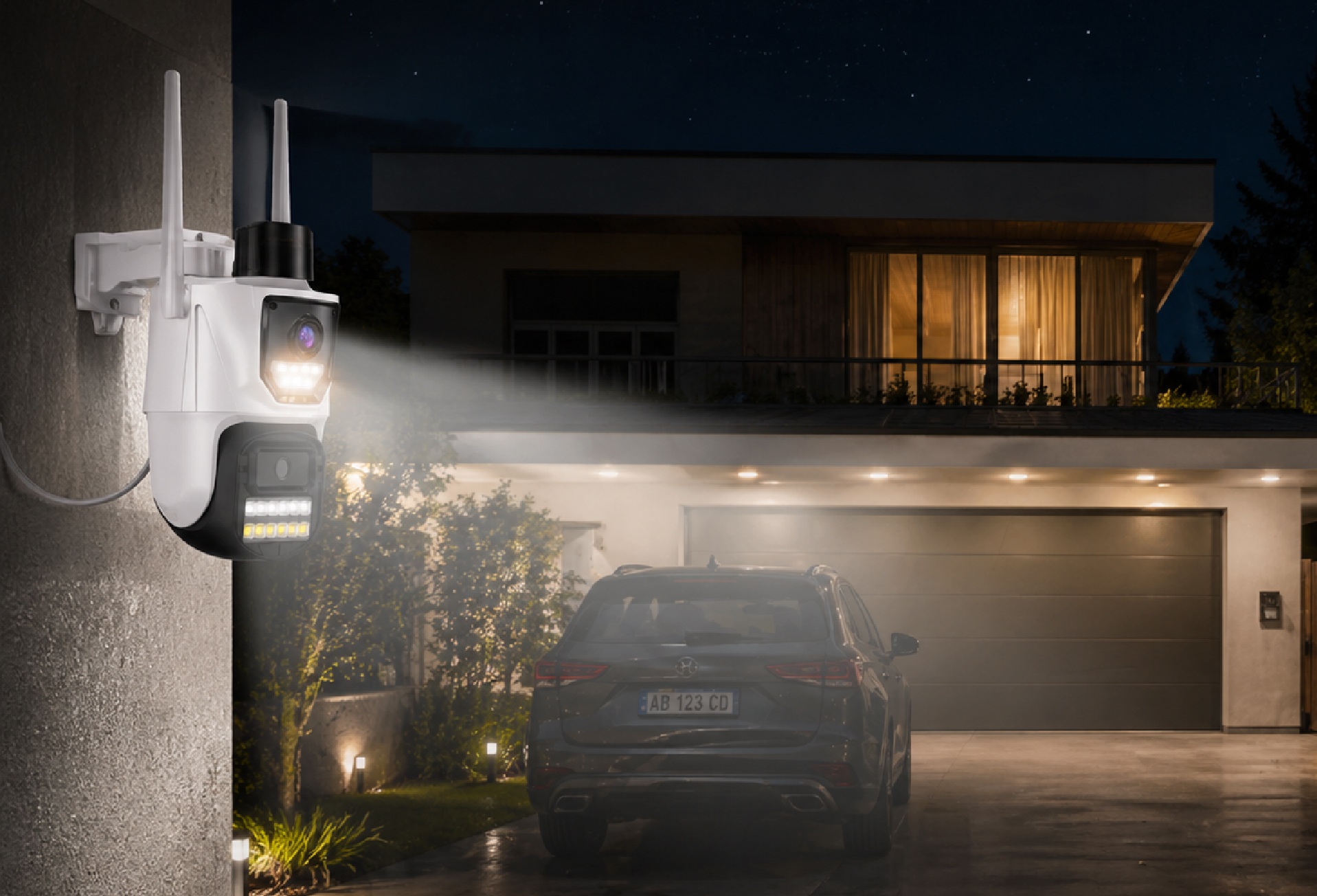
Best for: Entryways, yards, garages, storefront exteriors.
Outdoor two-way audio cameras must handle weather changes while maintaining clear sound. Weather resistance, full-color night vision, and reliable motion detection are essential.
In outdoor surveillance, two-way audio is often used for visitor communication and early verbal deterrence. A weatherproof security camera helps extend monitoring beyond visual alerts.
Wireless Wi-Fi Cameras
Best for: Rentals, apartments, or locations without fixed power access.
Wireless cameras are designed for quick setup and flexible placement. Battery-powered or hybrid power options reduce installation complexity.
For many households, a wireless home camera with two-way audio offers the easiest entry point into smart security, especially when temporary or movable setups are required.
Wired and PoE Cameras
Best for: Long-term monitoring, large homes, and business environments.
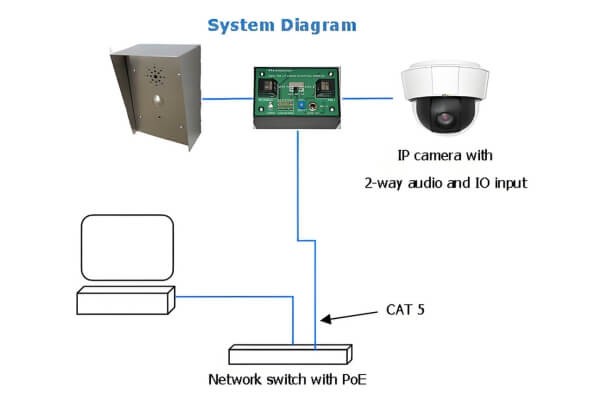
Wired or PoE cameras provide stable power and data transmission. They support continuous recording and multi-camera systems without relying on Wi-Fi stability.
These systems are often used for 24/7 recording scenarios where consistent audio and video performance is required.
How to Choose a Two-Way Audio Camera for Your Space
Define Your Use Case First
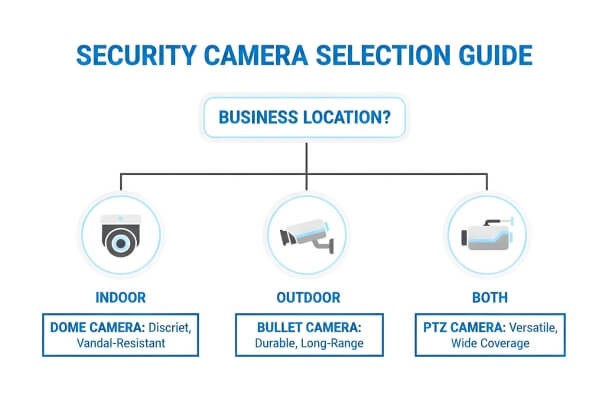
Indoor installations benefit from quiet pan-tilt operation, privacy modes, and compact design.
Outdoor use requires weather resistance, wide temperature tolerance, and vandal-resistant housing.
Audio Quality and Communication Experience
Full-duplex audio delivers smoother conversations and reduces interruptions during interaction.
Noise reduction support improves clarity in busy or outdoor environments, where background sounds can interfere with communication.
Video Quality and Night Vision
A resolution of at least 2MP is recommended. For indoor use, 3MP provides clearer facial details.
Full-color night vision offers better visibility than infrared alone, especially when audio interaction is needed after dark.
Smart Feature Integration
AI-based human or vehicle detection helps reduce false alerts.
Motion tracking, defined detection zones, and sound alerts improve responsiveness without constant monitoring.
Storage and Connectivity Options
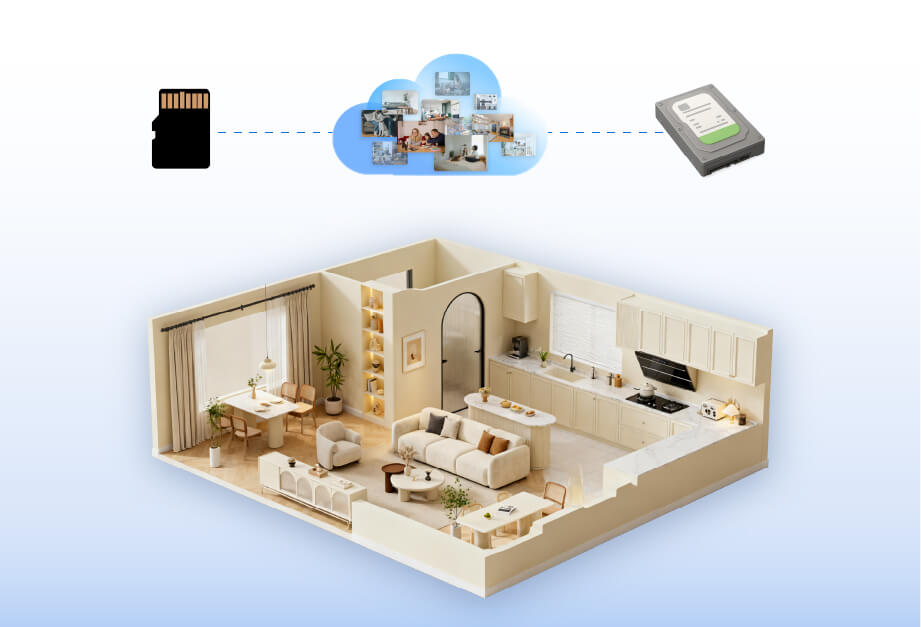
Local SD card storage helps avoid ongoing subscription costs.
Dual-band Wi-Fi support improves connection stability in crowded network environments.
Installation and Ease of Use
For most households and rental users, a wireless home camera with simple setup provides the best balance of cost, flexibility, and usability.
FAQ
Why does two-way audio feel delayed?
Two-way audio delay is usually caused by unstable network conditions. A strong Wi-Fi signal, preferably dual-band, helps reduce latency. Avoid placing the camera near devices that cause interference. Overheating can also affect performance, so ensure proper ventilation and keep firmware updated for stable communication.
Is two-way audio clear at night?
Audio clarity at night depends on hardware quality rather than lighting alone. Cameras with full-color night vision and noise-reduction microphones maintain clearer communication in low-light environments. These features help filter background noise and ensure voices remain understandable, even when visual conditions are limited.
Can multiple people talk through the camera at the same time?
Most cameras that support full-duplex audio allow multiple users to listen and speak without interrupting each other. Some platforms also enable group communication through the app. The experience depends on software design and network stability, so performance may vary across different systems.
Is audio recording legal?
Audio recording laws vary by country and region. Recording in public areas is generally allowed, while indoor recording often requires informing occupants. In some locations, consent from one or all parties may be required. Always review local regulations before enabling audio recording to avoid privacy or compliance issues.
How can audio quality be tested before purchase?
Audio quality can be evaluated by reviewing real user recordings or independent video reviews. Listening to sample footage helps assess clarity and delay. Choosing products that offer trial periods or flexible return policies also reduces risk, allowing users to test performance in their own environment.
How long do wireless cameras last on battery power?
Battery life varies based on usage, detection frequency, and environmental conditions. Cameras with low-power chipsets and smart power management last longer between charges. In outdoor setups, pairing the camera with a compatible solar panel can significantly extend operating time and reduce maintenance.
What’s Next for Two-Way Audio Cameras and How to Plan Ahead
Where Two-Way Audio Is Heading
Two-way audio is increasingly integrated with AI voice interaction, multi-camera intercom systems, and smart home platforms. Communication is becoming more contextual and automated.
Practical Recommendations
- For families, a wireless pan-tilt indoor camera balances wide coverage and natural conversation.
- Smaller homes benefit from combining an indoor camera with a smart doorbell for entry and interior monitoring.
Whether you are caring for family members, watching over pets, or improving home security, a well-chosen indoor security camera can provide simple and reliable home protection. Cameras that combine clear two-way audio, intelligent detection, and easy installation help keep communication and security working together.