Is It Illegal to Tamper with Security Cameras
Introduction – The Short Answer and What Homeowners Should Know
In most jurisdictions, intentionally tampering with a security camera is illegal. This includes actions that damage, disable, block, or interfere with how a camera records or transmits footage.
The legal consequences can be serious. Depending on the situation, tampering may lead to criminal charges such as property damage or obstruction of justice, as well as civil liability.
Understanding the law helps in two ways. It protects your rights if you own security cameras, and it helps you avoid unintentionally breaking the law when dealing with surveillance near your home. For homeowners who rely on indoor security cameras for basic protection, knowing the rules and using reliable equipment is a practical first step toward safer, compliant home security.
Why Tampering with Security Cameras Breaks the Law
Tampering with security cameras usually violates multiple legal principles at the same time.
Property rights
Security cameras are considered private property. Damaging or interfering with them may constitute destruction of property or vandalism.
Criminal law considerations
If a camera is installed for safety or evidence collection, tampering may be viewed as an attempt to obstruct investigations or interfere with lawful security measures.
Privacy and surveillance regulations
Disabling or manipulating a camera can itself violate privacy-related laws, especially when it interferes with legally installed monitoring systems.
Context matters
- Public or commercial locations Tampering with cameras in stores, apartment buildings, or public spaces often leads to harsher penalties because these systems support public safety.
- Private disputes Even if you believe a neighbor’s camera invades your privacy, damaging or blocking it is still illegal. The appropriate response is communication, mediation, or legal complaint.
- Intent is critical Accidental obstruction is treated differently from deliberate interference. Courts focus heavily on whether the act was intentional.
How Camera Tampering Laws Vary by State
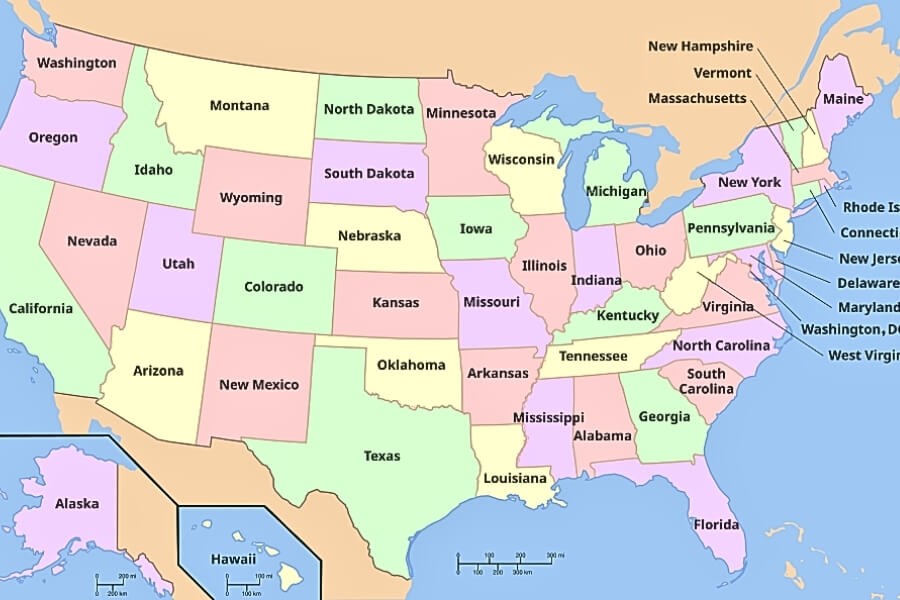
While specific statutes vary, all U.S. states generally prohibit tampering with security cameras.
Large states such as California, New York, Texas, and Florida have clear written laws that may impose fines or jail time for intentional interference with surveillance equipment. In other states, prosecution often relies on broader statutes related to criminal damage, trespassing, or interference with public safety systems.
Before taking action in any camera-related dispute, homeowners should review local and state regulations or seek legal guidance. Laws are applied at the state and sometimes municipal level, and details can matter.
What Counts as Tampering with a Security Camera
Tampering includes any action that interferes with a camera’s normal operation.
Physical damage
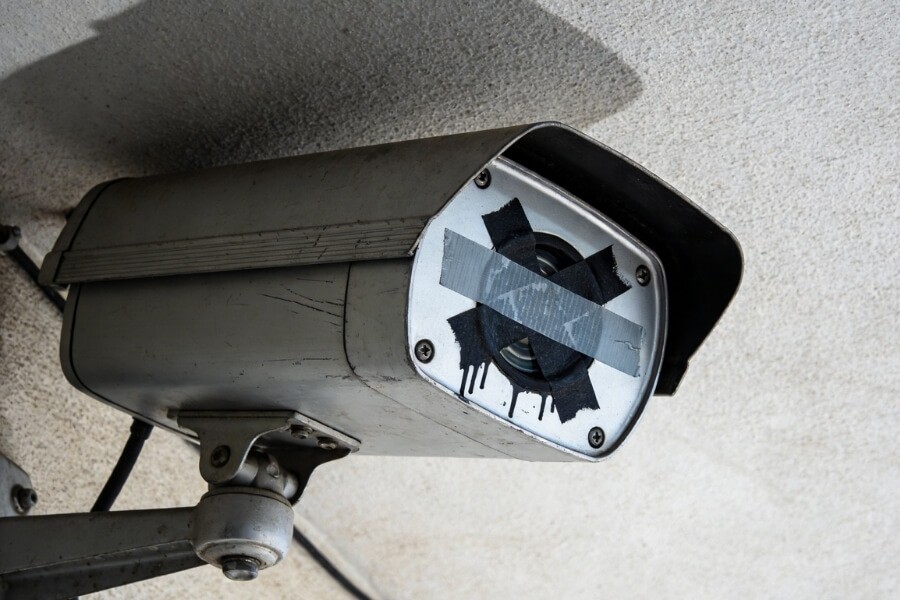
Breaking the camera housing, cutting cables, or permanently obscuring the lens with paint or adhesive materials.
Operational interference
Moving the camera without authorization, changing its angle, disconnecting power, or disabling its network connection.
Technical attacks
Hacking into a camera system to delete footage, alter recordings, or take remote control.
Signal interference
Using signal jammers or similar devices to block wireless camera communication. These devices are often illegal on their own under federal law.
All of these actions are commonly treated as unlawful when done intentionally.
Who Is Allowed to Interfere with Security Cameras—and Who Is Not
Law enforcement
Police officers are not exempt from the law. Without a valid warrant or a clear emergency, disabling or damaging a private security camera may still be unlawful.
Employees
In workplaces where cameras are legally installed and properly disclosed, employees do not have the right to block or damage them. Such actions may justify termination and could result in criminal charges.
How to Protect Your Home Security Cameras from Tampering
Preventing tampering is more effective than responding after damage occurs.
Smart installation strategies
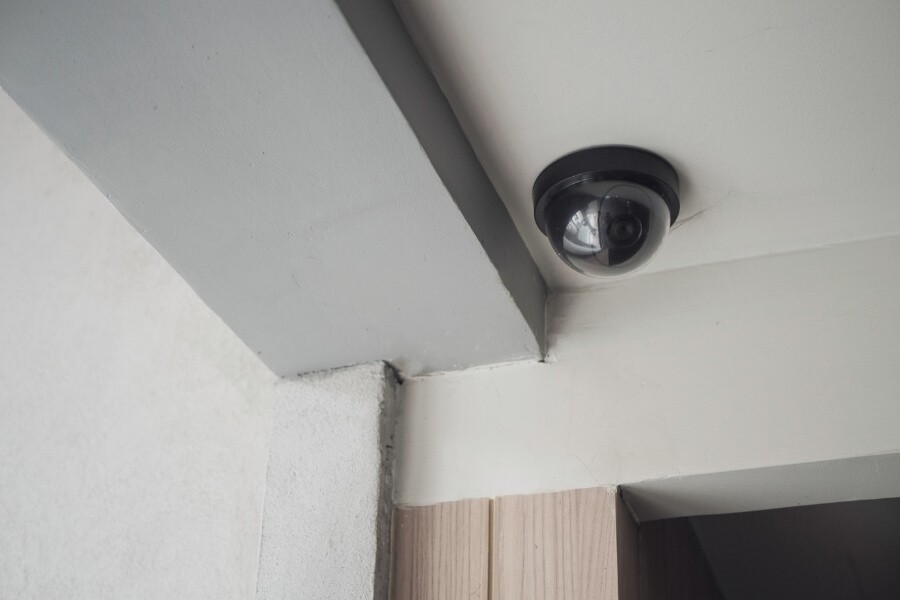
- Install cameras high on walls, ceilings, or door frames where they are difficult to reach.
- Wireless home cameras with 360-degree pan and tilt allow remote adjustment without physical contact.
- Magnetic-mount designs make it possible to place cameras in higher or less obvious positions, such as near structural metal surfaces.
Enable protective features
- Tamper alerts notify you instantly if a camera is moved, blocked, or disabled.
- AI-based human detection reduces false alerts while identifying real threats.
- Two-way audio allows you to speak remotely if suspicious activity is detected.
Secure your recordings
- Use both local storage and cloud backup so footage remains available even if a device is damaged or stolen.
- Keep firmware and mobile apps updated.
- Use strong passwords and enable multi-factor authentication when available.
A well-configured system reduces risk without increasing complexity.
What to Do If You Are Accused of Camera Tampering
If you are involved in a tampering allegation, stop the activity immediately and remain calm.
Avoid making statements before consulting a lawyer. If the situation was accidental, gather evidence such as timestamps, photos, or maintenance records.
Intent is a key factor in legal outcomes, and clear documentation can matter.
Conclusion – Staying Legal and Protecting Your Home the Right Way
Tampering with security cameras is illegal and is not a valid way to resolve privacy or neighborhood disputes. Legal and constructive solutions are always safer.
Real security comes from prevention. A reliable, well-installed security system reduces conflict, protects evidence, and minimizes risk.
At RusinVision, we see this principle in practice every day. Clear camera placement, stable mounting, and properly configured alerts help homeowners avoid disputes, preserve evidence, and stay within legal boundaries.
For renters, apartment residents, and homeowners who want simple setup and dependable protection, an indoor security camera with clear video, night vision, intelligent alerts, and remote access offers a balanced and practical approach to home security. Technology, not confrontation, is what keeps a home secure.
FAQ
Is it illegal to temporarily block a neighbor’s camera pointed at my house?
Yes. Intentionally blocking, covering, or interfering with a security camera is usually illegal, even during a privacy dispute. If you believe a neighbor’s camera violates your privacy, the appropriate approach is communication, mediation, or legal action. Taking direct physical action can expose you to criminal or civil liability.
Are the consequences worse if the camera is in a store or public area?
Often yes. Cameras in stores, apartment buildings, or public spaces support public safety and crime prevention. Tampering with them may result in more serious charges, such as interfering with public safety systems or obstructing evidence. Penalties in these settings are often stricter than in private residential disputes.
Is hacking into a wireless security camera illegal?
Yes. Gaining unauthorized access to a security camera system is considered a computer or cybercrime. This includes viewing, deleting, or altering footage without permission. Victims should document the incident and report it to law enforcement. Using strong passwords and updated firmware helps reduce this risk.
How can I prevent my security cameras from being tampered with?
Effective prevention combines placement and system configuration. Install cameras in hard-to-reach or visible locations, enable tamper alerts, and use cloud or backup storage. Secure accounts with strong passwords and encryption. These measures reduce physical interference and protect footage even if a device is damaged.
Can employees block workplace cameras if they disagree with monitoring?
No. When workplace cameras are legally installed and employees are properly informed, blocking or disabling them is not permitted. Such actions may violate company policy and local law. Consequences can include termination and, in some cases, legal liability for damaging or interfering with employer-owned property.
How does the law distinguish between tampering and accidents?
The key factor is intent. Accidental obstruction caused by weather, maintenance, or normal activity is generally not considered tampering. Deliberate actions, such as covering a lens, disconnecting power, or disabling a camera, are treated as intentional interference and are typically unlawful.