Best Dome Security Cameras for Home Use: What to Know Before You Buy
Introduction
Dome security cameras are commonly used in retail stores, schools, and office buildings. Today, compact and wireless versions are becoming a practical option for home monitoring.
This guide focuses on indoor use. It explains how a dome security camera for home works, which features matter in daily use, and how to choose the right model for your space.
What a Dome Security Camera Actually Does
A dome security camera is defined by its rounded protective housing. The transparent or tinted cover helps protect the lens and internal components from dust, contact, and minor impact.
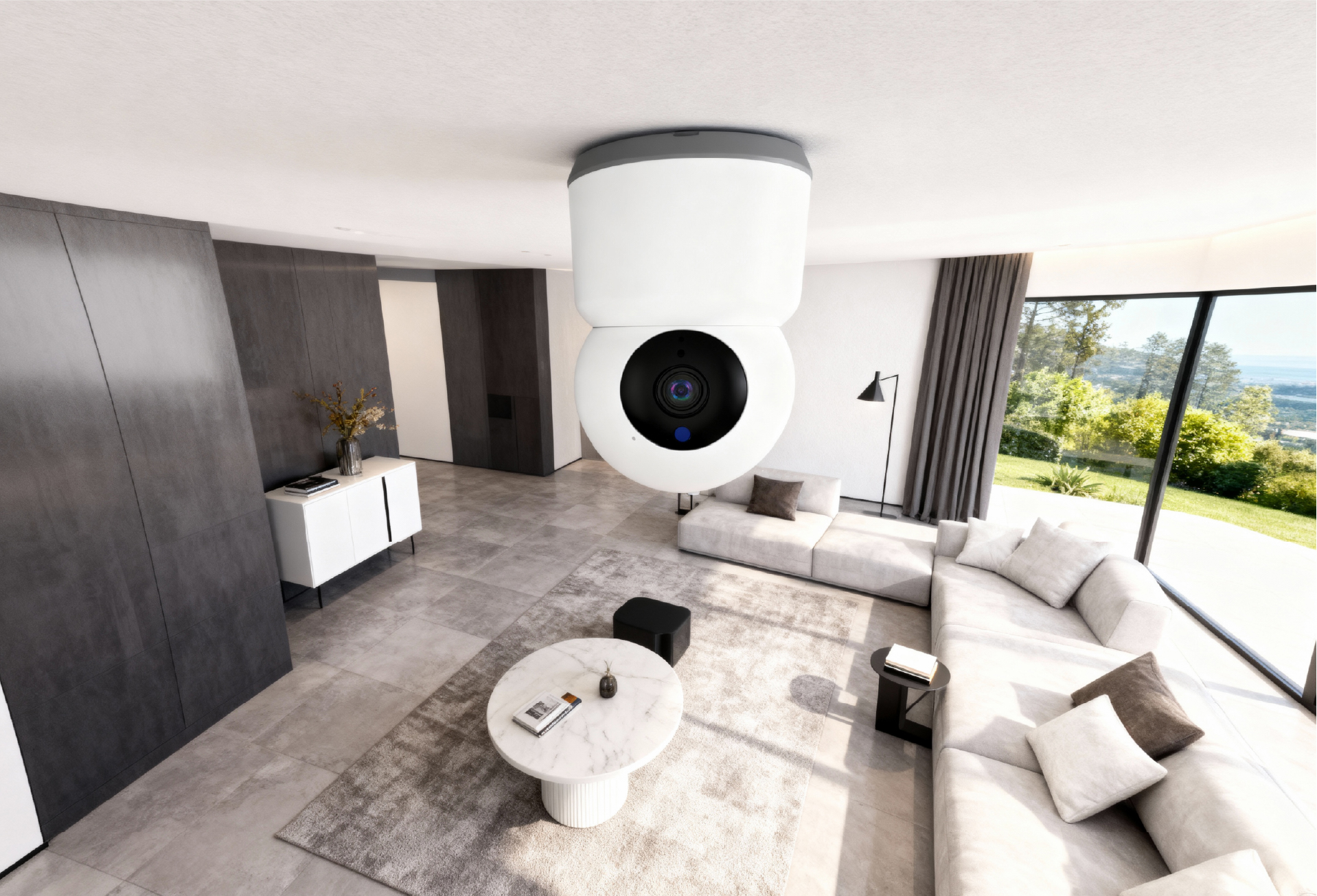
In home environments, most indoor dome security cameras are compact and wireless. Many include pan and tilt functions, allowing one device to monitor an entire room without repositioning.
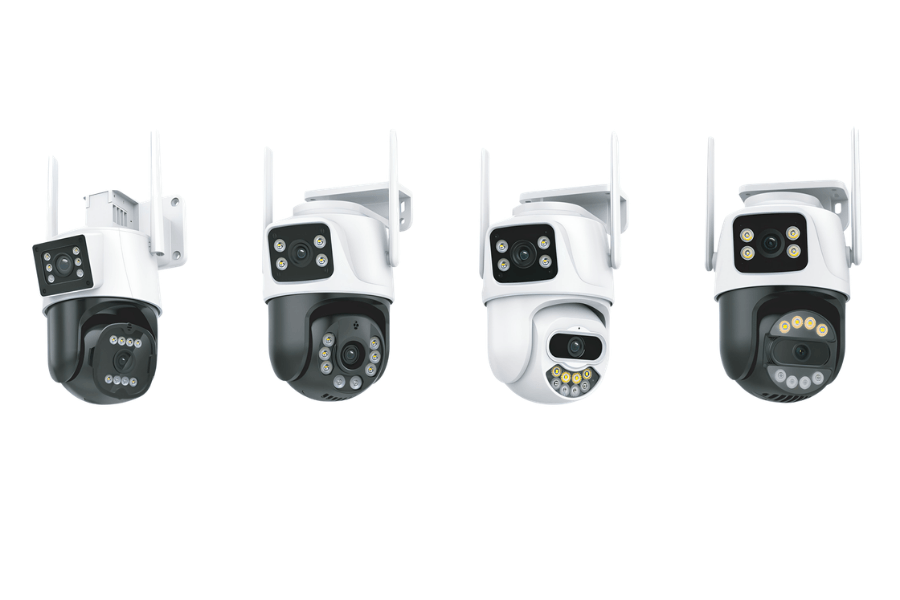
Common types include:
- Fixed dome cameras with a static viewing angle
- PTZ dome cameras that can rotate and adjust remotely
If you need flexible indoor monitoring, a PTZ dome camera such as RusinVision Home Vision series can cover multiple angles within a single room.
Features That Matter in Real Home Use
Design and Visibility
Dome housing protects the lens from contact and dust. The viewing direction is difficult to identify from a distance, and the camera blends naturally into indoor environments such as living rooms or hallways.
Video Quality
2MP is suitable for general monitoring, while 3MP provides clearer detail for identifying faces or movement. Higher resolution improves clarity but also increases storage usage.
Night Vision
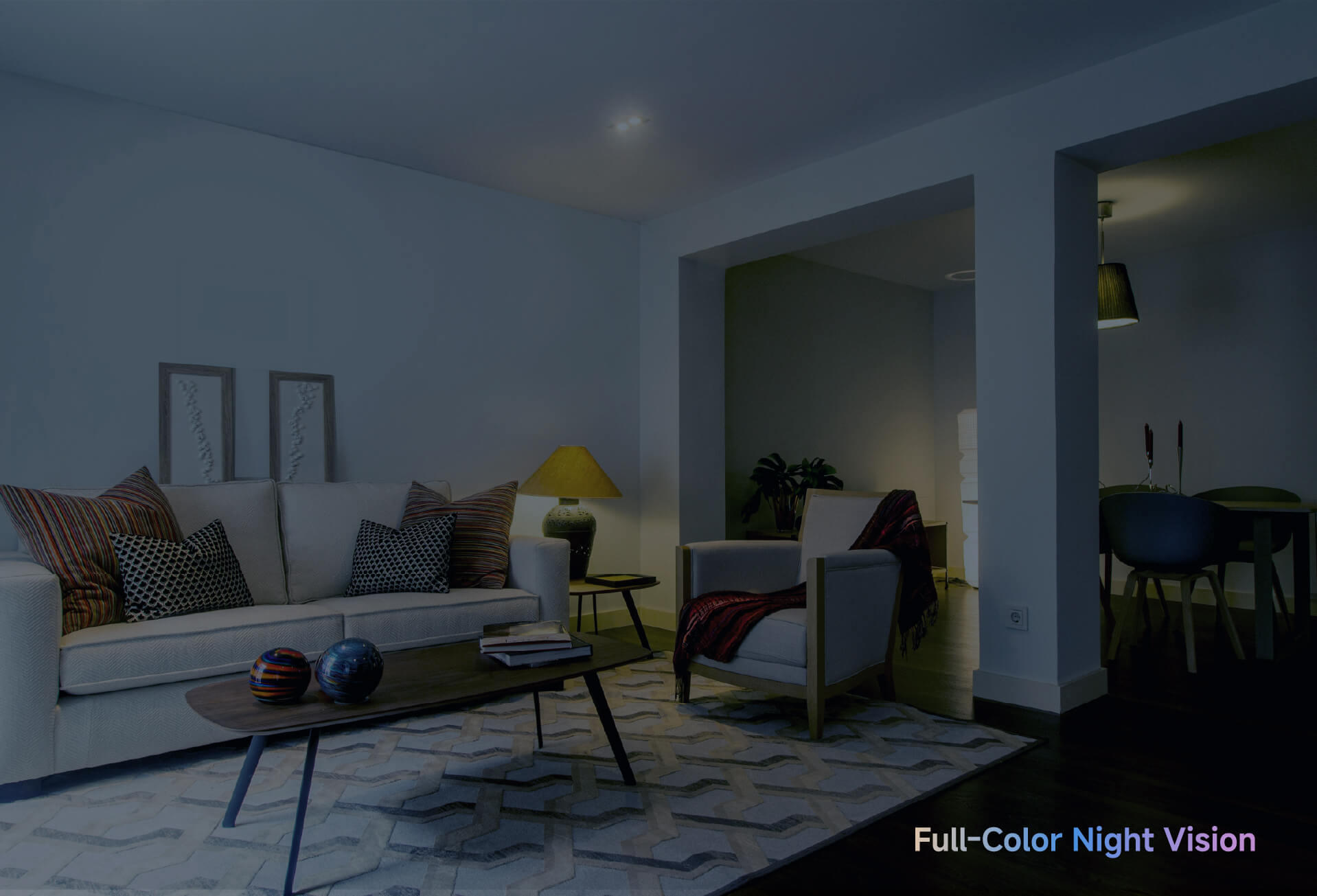
Infrared night vision works in complete darkness. Some models also provide color night vision in low-light conditions, which is useful for bedrooms, entry points, and nighttime monitoring.
Motion Detection and Alerts
Motion detection triggers recording when activity is detected. AI-based detection focuses on people and reduces false alerts. Notifications are sent to your mobile device in real time.
Pan and Tilt (PTZ)
PTZ allows remote camera movement, covering a wider area from a single device. This reduces the need for multiple cameras in one room.
Connectivity and Storage
Wi-Fi enables flexible installation without network cables. Local storage using microSD cards avoids mandatory subscriptions, while remote access allows live viewing through a mobile app.
Why Dome Cameras Work Well for Home Monitoring
Discreet but Effective Monitoring
The dome cover makes it difficult to determine where the camera is pointing. This creates uncertainty and improves deterrence without making the device visually intrusive.
Flexible Installation
Wireless dome cameras are easy to install without professional tools. They can be placed on shelves, mounted on ceilings, or attached using magnetic bases depending on the model.
Full-Room Coverage
PTZ-enabled dome cameras can rotate to monitor different areas. A single device can often cover an entire room, simplifying setup in apartments or shared spaces.
Reliable Day and Night Operation
Infrared and low-light features support continuous monitoring. This is useful for checking a child’s room at night or monitoring entry points when you are away.
Smart Alerts with Fewer False Triggers
AI-based detection reduces unnecessary notifications. Instead of reacting to minor movement, the system focuses on human activity.
Two-Way Communication
Built-in audio allows direct communication. You can speak to family members, respond to visitors, or manage pets remotely through the app.
Dome vs Bullet Cameras: Which One Fits Your Home Better
Design and Visibility
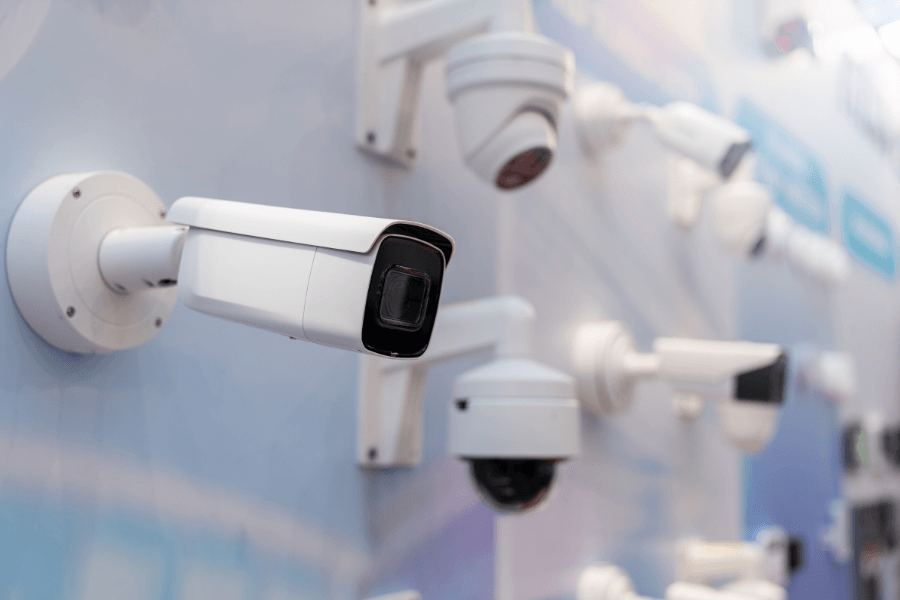
Dome cameras are compact and blend into indoor spaces, while bullet cameras are more visible and directional.
Monitoring Behavior
Dome cameras create uncertainty about viewing direction. Bullet cameras clearly show where they are pointing.
Installation
Dome cameras are typically ceiling-mounted. Bullet cameras are often wall-mounted for outdoor use.
Best Use Case
Dome cameras are suitable for indoor and shared spaces. Bullet cameras are better for long-range outdoor monitoring.
Types of Dome Cameras You’ll See at Home
Fixed Dome Cameras
These cameras have a static viewing angle and lower cost. They are suitable for entrances or narrow spaces where the monitoring direction does not need to change.
PTZ Dome Cameras
PTZ cameras allow remote pan and tilt control. They can cover entire rooms and are suitable for most home environments.
Wireless Dome Cameras
Wireless models do not require network cables. They are easier to install and ideal for apartments or rental homes where flexibility is important.
Mini Dome Cameras
Mini dome cameras are smaller and less noticeable. They are suitable for bedrooms or compact indoor areas where a low-profile design is preferred.
How to Choose the Right Dome Camera for Your Space
Consider Your Room Layout
Small rooms benefit from PTZ cameras that can cover multiple angles. Fixed cameras are more suitable for hallways or entry points.
Choose the Right Resolution
2MP is enough for basic monitoring. 3MP improves clarity for identifying details such as faces or movement.
Check Pan and Tilt Capability
PTZ helps eliminate blind spots and is useful for open areas such as living rooms or shared indoor spaces.
Evaluate Night Vision
Infrared night vision is sufficient for general use. Color night vision improves visibility in low-light environments.
Look at Installation and Power
Wi-Fi cameras simplify setup, while USB-powered models offer flexible placement options without complex wiring.
Common Mistakes When Choosing a Dome Camera
Choosing Higher Resolution Without Enough Storage
Higher resolution improves image quality but increases storage usage. Without enough capacity, recordings may be overwritten too quickly.
Ignoring Coverage Area
A fixed camera may not cover the entire room. In larger spaces, a PTZ camera is often more effective.
Overlooking Wi-Fi Stability
Wireless cameras depend on stable connections. Weak signals can affect video quality and delay real-time monitoring.
Recommended Dome Cameras for Different Home Needs
For Full-Room Monitoring
If you need to monitor an entire room, a PTZ dome camera is a suitable option. A model such as RusinVision Home Vision Pro provides pan and tilt control, allowing coverage without installing multiple cameras.
For Small Apartments or Rental Use
If installation flexibility is important, a compact wireless dome camera works well. A solution such as RusinVision Home Vision Magnet allows placement on metal surfaces without drilling.
For Family Monitoring
If you are monitoring children or elderly family members, look for two-way audio and real-time alerts. A model such as RusinVision Home Vision Care supports communication and safety-related functions.
For Larger Indoor Spaces
For wider areas, choose a camera with a broader viewing angle and stronger detection capability. An option such as RusinVision Home Vision Ultra can help monitor larger living spaces more effectively.
For Basic Monitoring Needs
If you only need simple indoor monitoring, a basic dome camera with PTZ and night vision is sufficient. Entry-level options such as RusinVision Home Vision Core provide essential features for small rooms.
FAQ
What is the difference between a dome camera and a standard indoor camera?
A dome camera uses a protective rounded cover and often includes pan and tilt functions. This allows wider coverage from a single device and makes the viewing direction less obvious. Standard indoor cameras are usually fixed, with a visible lens direction and a more limited monitoring range.
Do indoor dome cameras need vandal protection?
High IK ratings are generally not required for indoor use. However, a camera with a durable housing can improve reliability. It helps protect against accidental contact, dust buildup, or minor impacts in busy areas such as living rooms or shared spaces.
Can I view the camera remotely?
Most modern dome cameras support mobile apps that allow remote access. You can view live footage, check recordings, and receive alerts from anywhere with an internet connection, which is useful when monitoring your home during travel or daily routines.
Do dome cameras work at night?
Dome cameras typically include infrared night vision, allowing recording in complete darkness. Some models also support color night vision in low-light conditions, ensuring continuous monitoring at night for bedrooms, entry points, and indoor safety checks.
Is installation complicated?
Most indoor dome cameras are designed for simple installation. Wireless models are usually plug-and-play. You connect the device to Wi-Fi, supply power, and complete setup through a mobile app without needing professional tools.
What is the benefit of PTZ in home use?
PTZ allows the camera to pan and tilt remotely, covering a wider area without repositioning. This reduces blind spots and allows one device to monitor an entire room, especially in open indoor spaces such as living rooms.
Final Thoughts on Choosing a Dome Camera
Dome security cameras have evolved from commercial systems into practical tools for home monitoring. Their compact design, flexible installation, and wide coverage make them suitable for indoor use.
When selecting a dome security camera for home, focus on resolution, pan and tilt capability, night vision, and connectivity. These factors directly affect usability and performance.
A well-chosen indoor dome security camera can provide consistent monitoring while remaining unobtrusive and easy to manage.